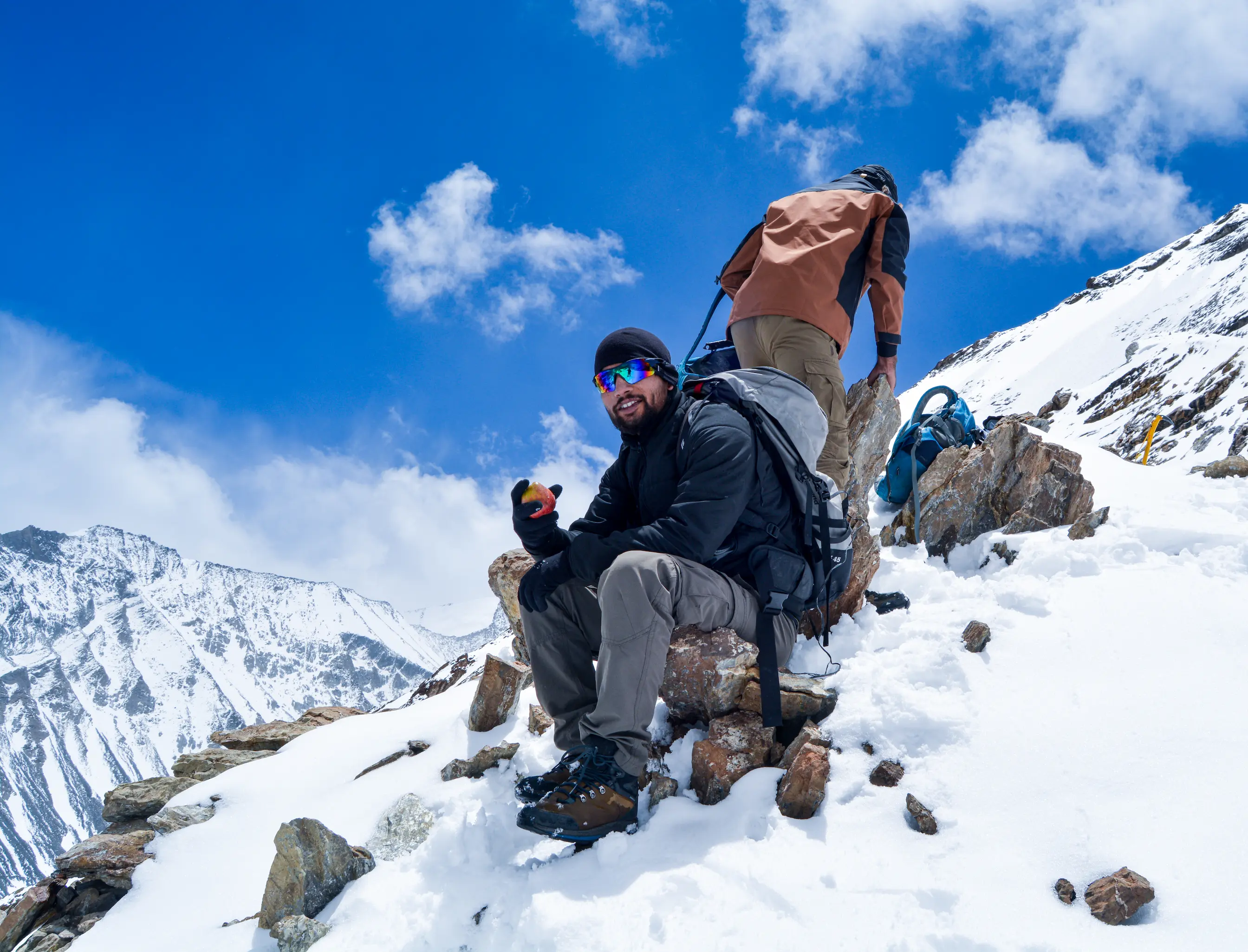
Some adventures change the way you see the world. Others change the way you see yourself.
The Kang Yatse II Expedition is more than a climb it's an immersive journey through the heart of Ladakh's legendary Markha Valley, where ancient villages, high mountain passes, vast landscapes, and remote Himalayan wilderness come together to create an unforgettable experience.
Over the course of this expedition, you'll gradually acclimatize as you trek through some of the most spectacular terrain in the Indian Himalayas. From crossing crystal-clear streams and traversing rugged valleys to camping beneath star-filled skies, every day brings you closer to the ultimate objective—the summit push that tests your determination, endurance, and spirit.
Unlike crowded trekking routes, this expedition offers a true sense of wilderness and exploration. The journey combines high-altitude trekking, mountaineering skills, breathtaking scenery, and the camaraderie that develops when a team works together toward a common goal.
Whether you're an experienced trekker looking to take the next step into high-altitude mountaineering or an adventurer seeking a challenging Himalayan objective, this expedition delivers a rewarding blend of challenge, achievement, and discovery.
The summit is only part of the story. The real adventure lies in every step taken to reach it.
Trip at a Glance
Key details for this adventure
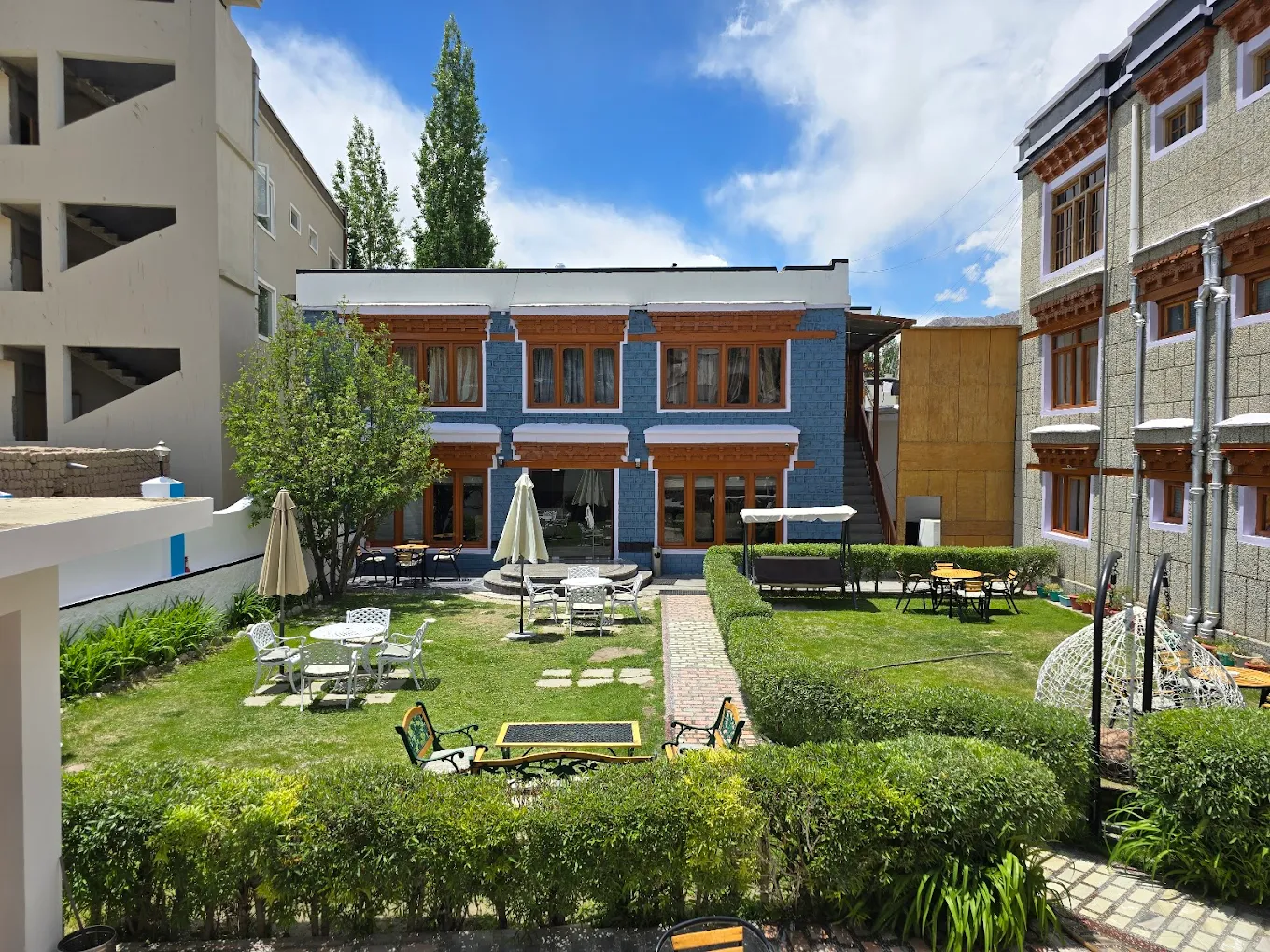
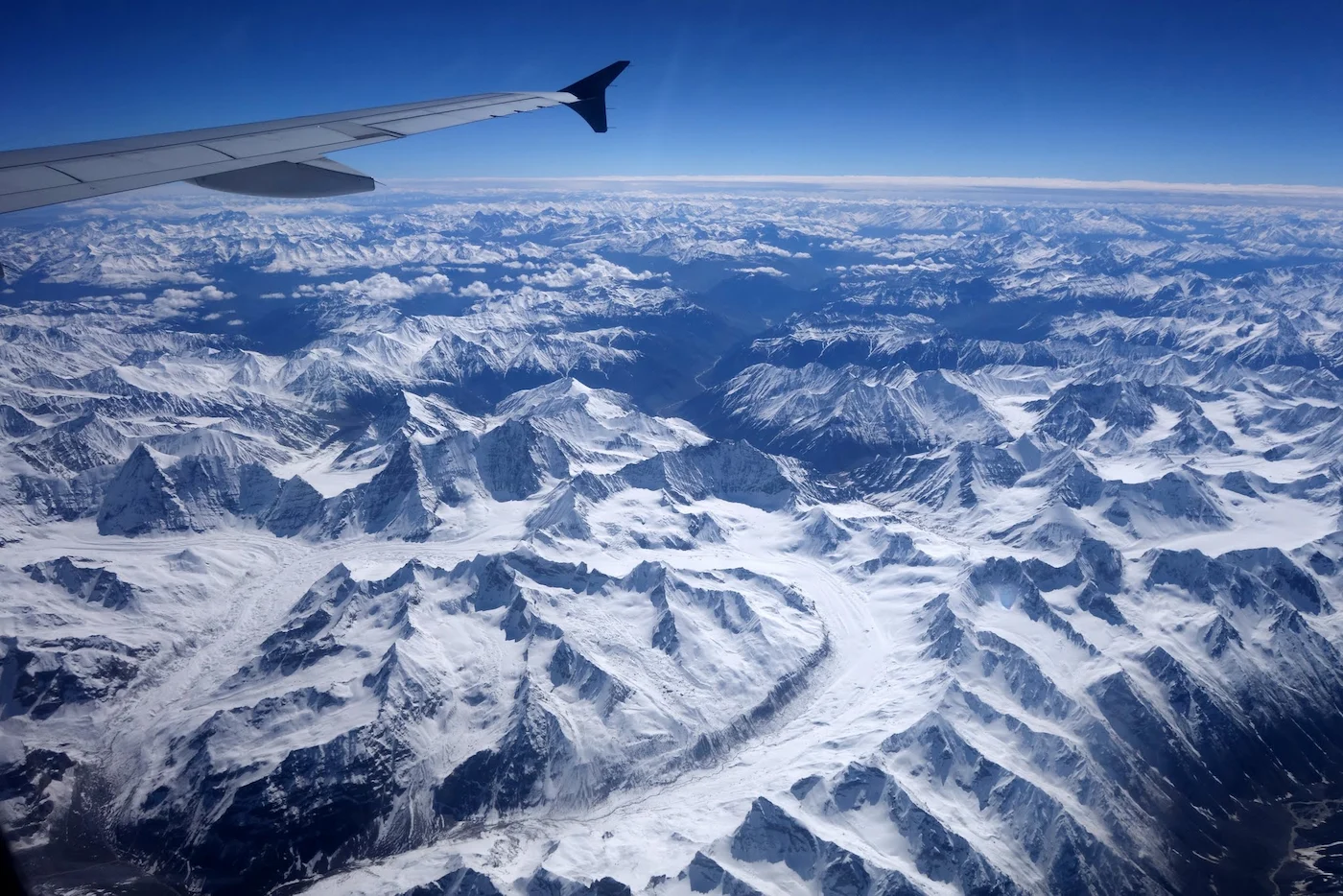
Upon arrival at Leh Airport, our team will receive you and transfer you to the hotel. Since Leh is situated at an altitude of 3,500 meters, the first day is reserved entirely for acclimatization. The dry mountain air and reduced oxygen levels can affect even experienced travelers, so adequate rest is essential. Spend the day relaxing at the hotel, staying hydrated, and allowing your body to adapt to the altitude.
In the evening, if you feel comfortable, take a gentle walk through the vibrant Leh Market. This light activity helps kick-start the acclimatization process while offering a glimpse into the local culture and lifestyle. Later, the trek leader will conduct a detailed expedition briefing covering the route, safety procedures, altitude awareness, and equipment requirements. A final gear inspection will also be carried out to ensure everyone is prepared for the adventure ahead.
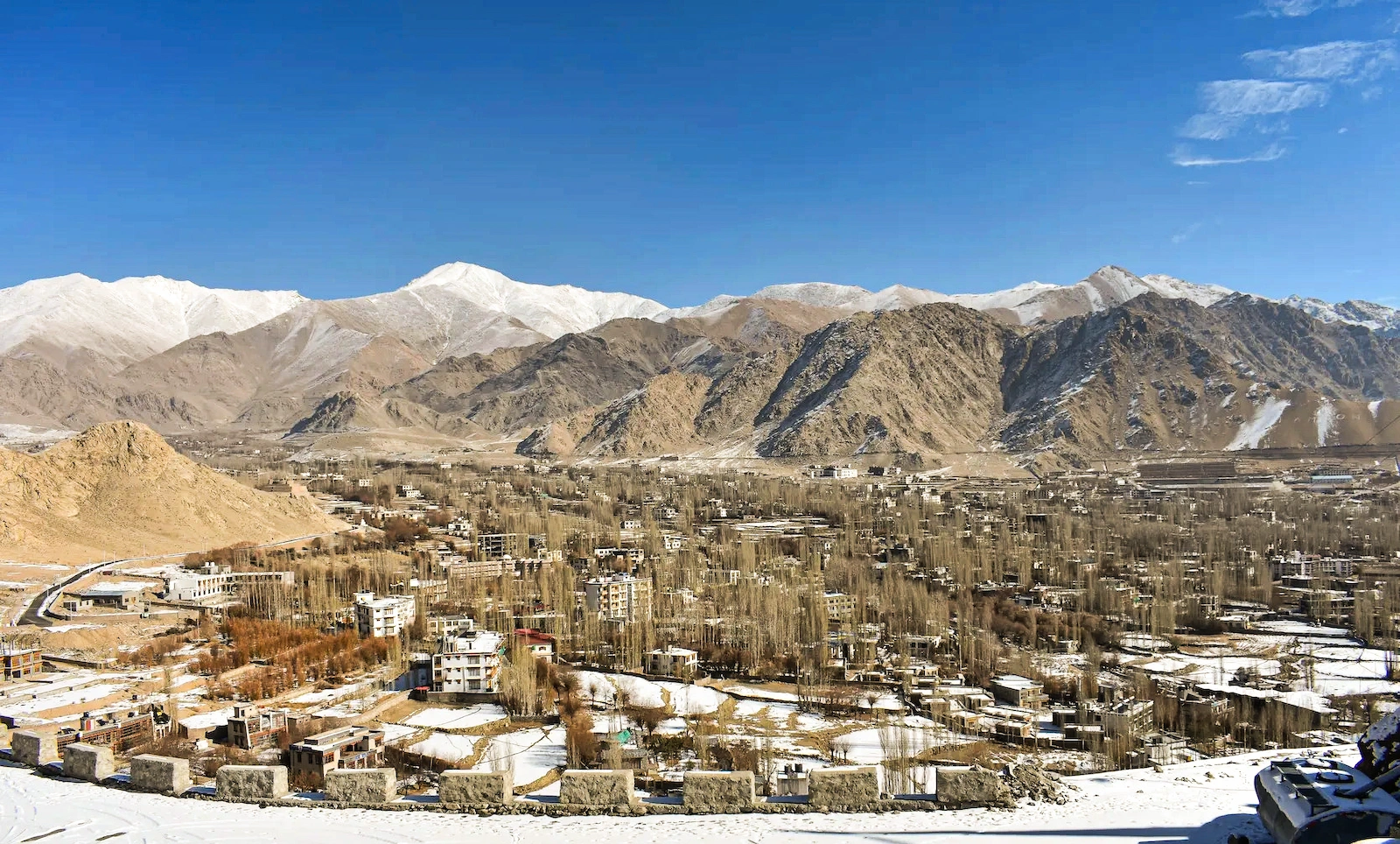
After breakfast, begin the day with a gradual walk to Shanti Stupa, one of Leh’s most iconic landmarks. The walk provides an excellent opportunity for active acclimatization while rewarding trekkers with panoramic views of Leh town and the surrounding mountains. The objective is to remain active without overexerting the body.
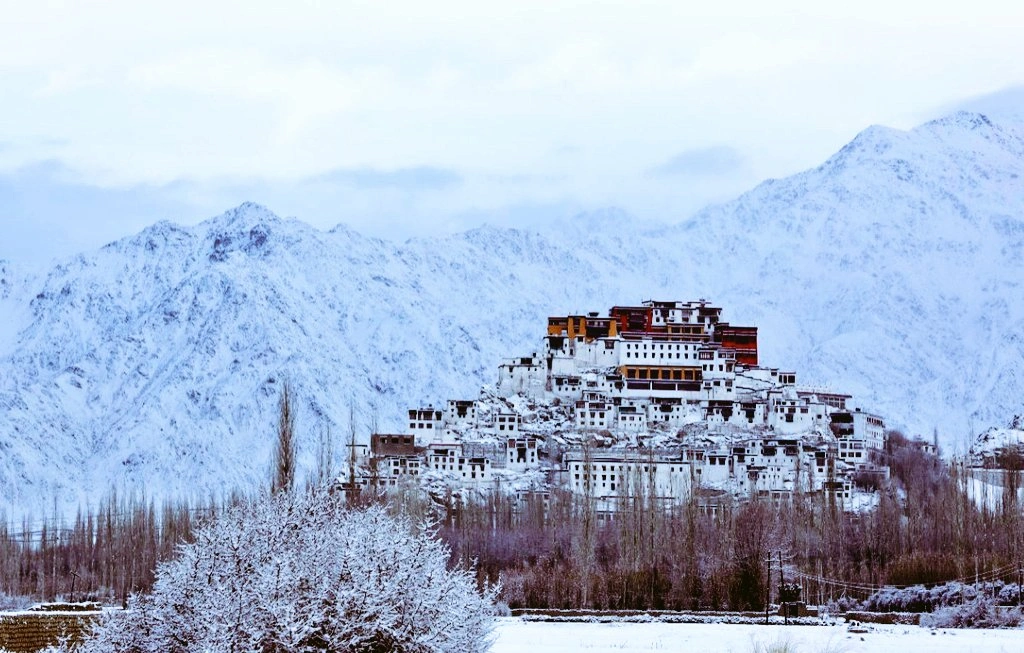
After lunch, visit the historic Shey Palace and the magnificent Thiksey Monastery, both of which offer insights into Ladakh’s rich cultural and spiritual heritage. These visits provide a relaxed and enjoyable way to spend the day while continuing the acclimatization process. In the evening, the team will finalize packing, distribute any remaining expedition gear, and prepare for the trek beginning the following morning.
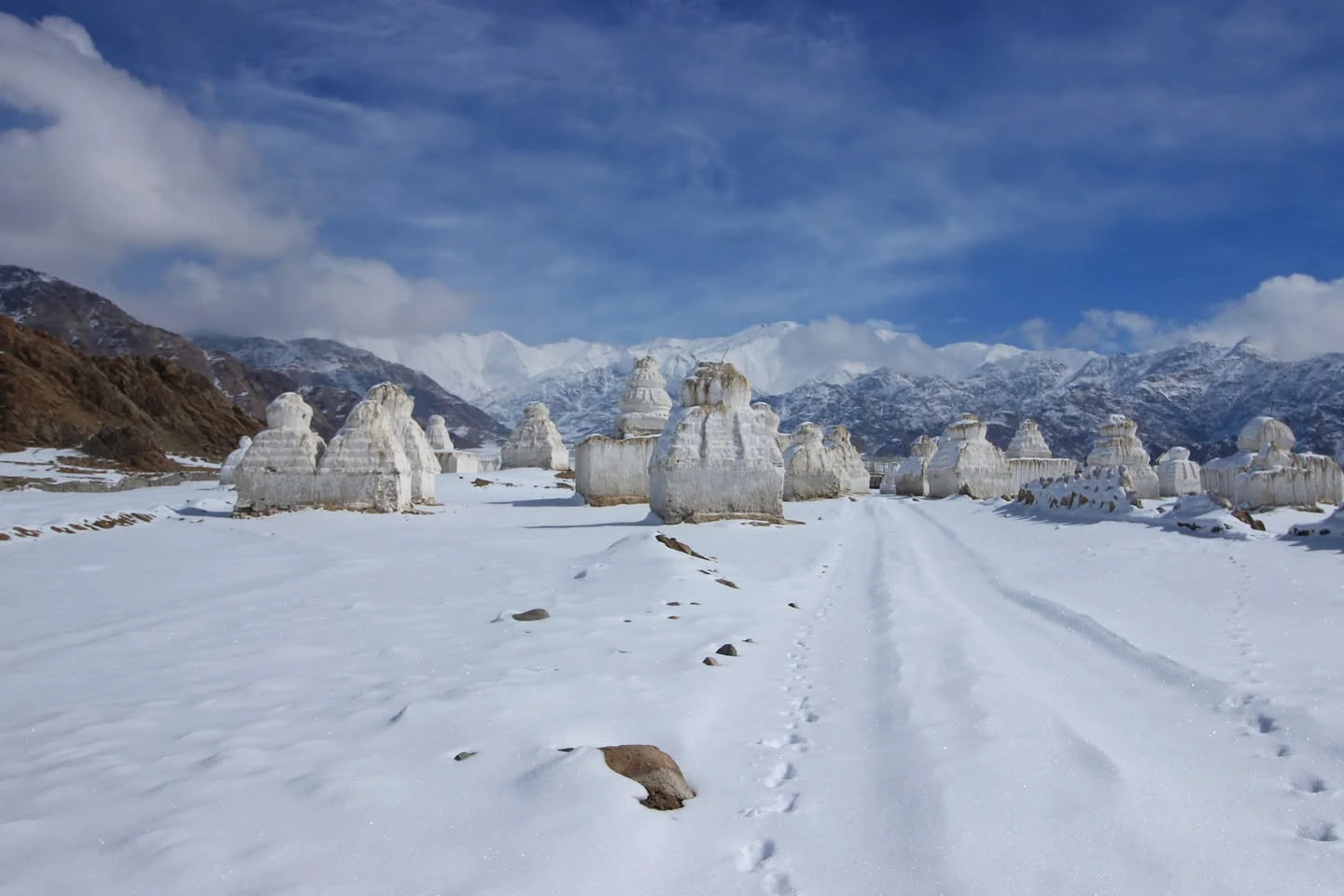
Today marks the beginning of the trekking journey. After an early breakfast, drive from Leh through the scenic Indus Valley toward Chilling and onward to Skiu, the gateway to the Markha Valley. The drive offers spectacular views of Ladakh’s rugged landscapes, river valleys, and traditional villages.
Upon reaching Skiu (3,400m / 11,150ft), the trek begins with a gradual walk along the Markha Valley trail. Following the course of the Markha River, the route passes through dramatic gorges and open valley sections before reaching the small settlement of Sara Village. Sara is a charming hamlet consisting of only a handful of households and provides an authentic glimpse into the traditional lifestyle of the Markha Valley. Enjoy a peaceful evening surrounded by towering mountains and pristine wilderness.
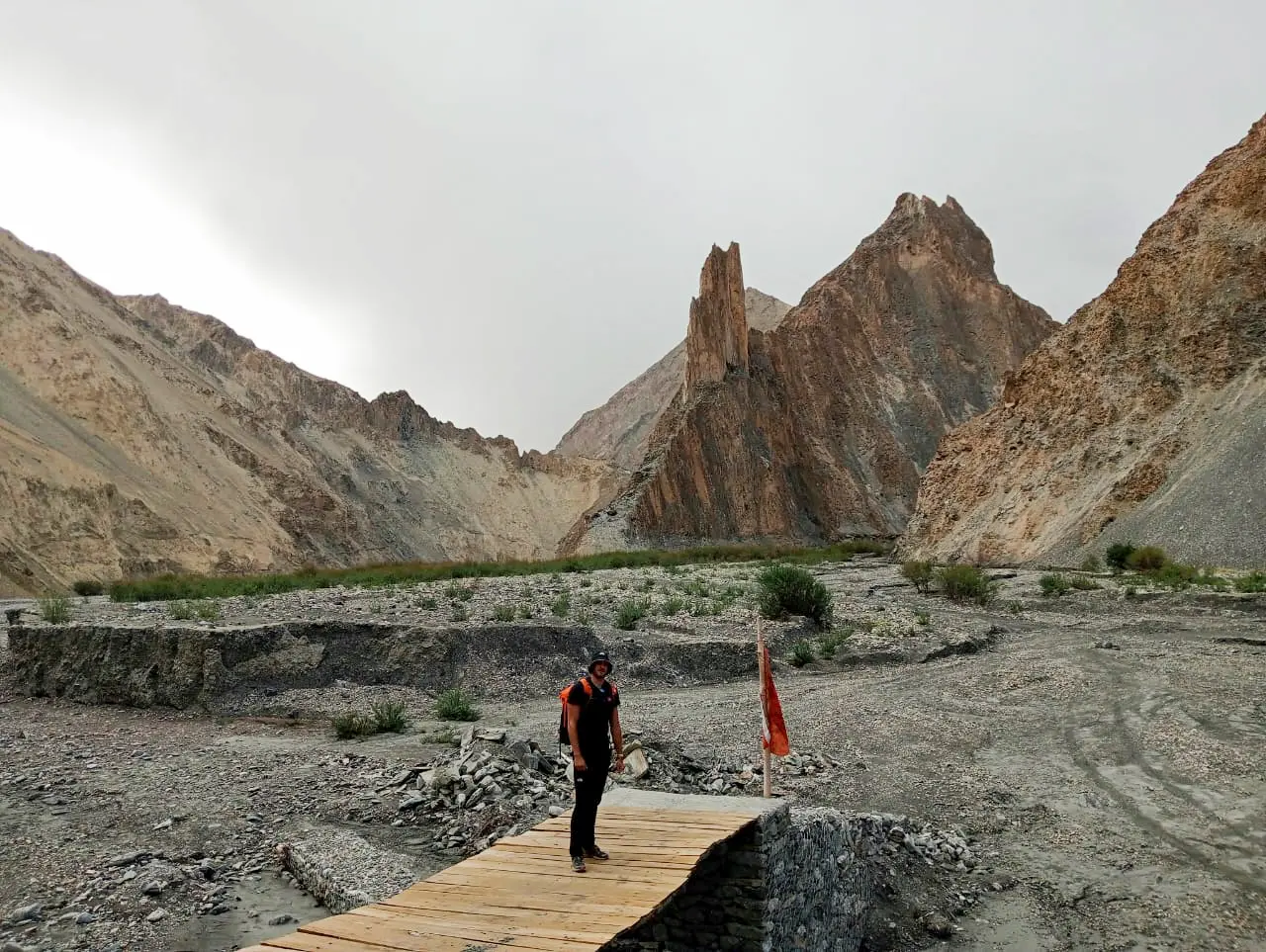
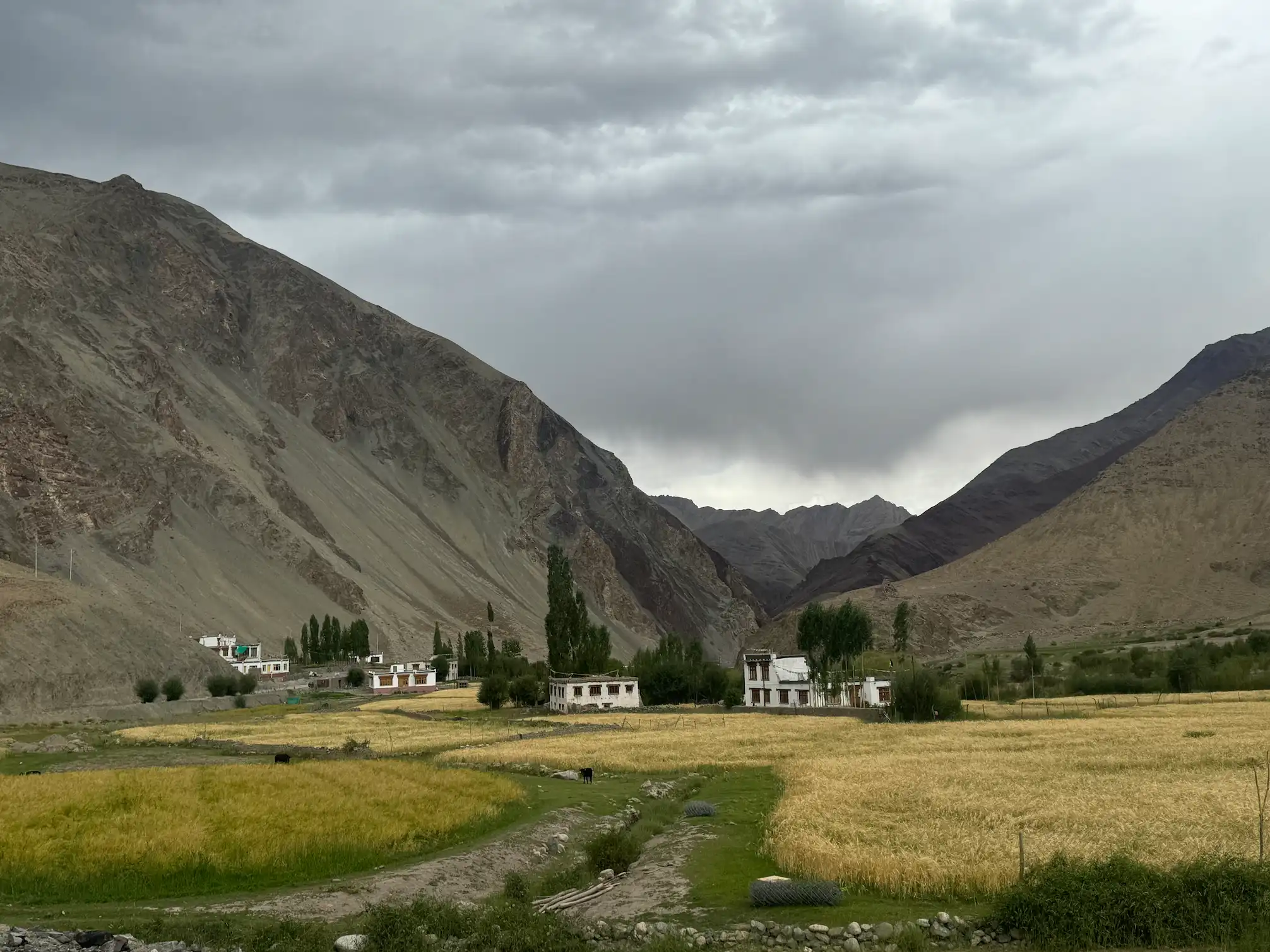
After breakfast, continue deeper into the Markha Valley. The trail follows the river through beautiful landscapes featuring willow groves, barley fields, and scattered settlements. Several river crossings and gradual ascents make for an enjoyable and rewarding day of trekking.
Arrive at Markha Village, the largest settlement in the valley and an important cultural center of the region. Surrounded by green fields and traditional Ladakhi homes, the village offers a unique blend of natural beauty and local heritage. If time and conditions permit, explore the village and visit a local family to gain insight into their daily life and traditions. The evening is ideal for resting and preparing for the higher altitudes ahead.
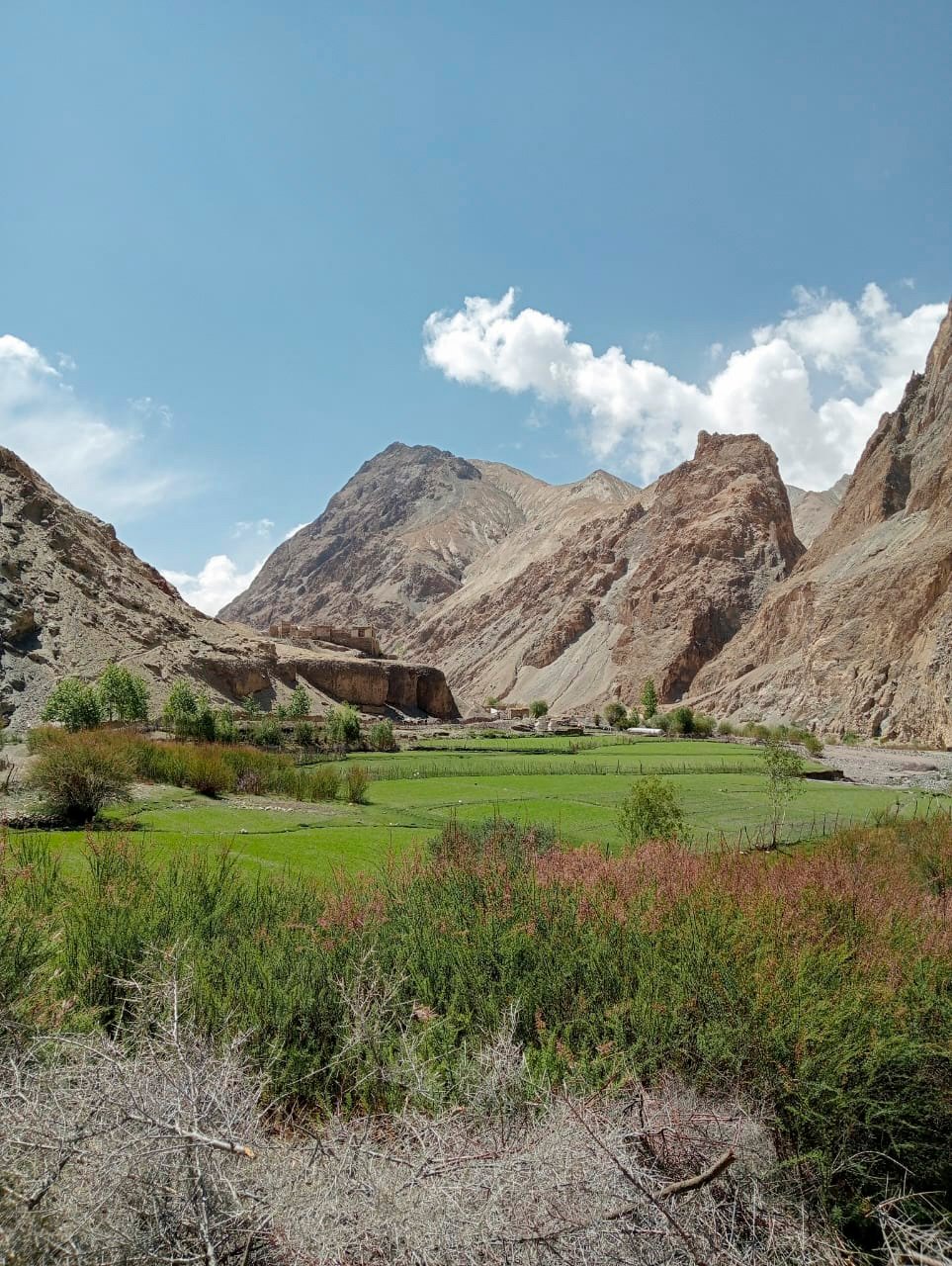
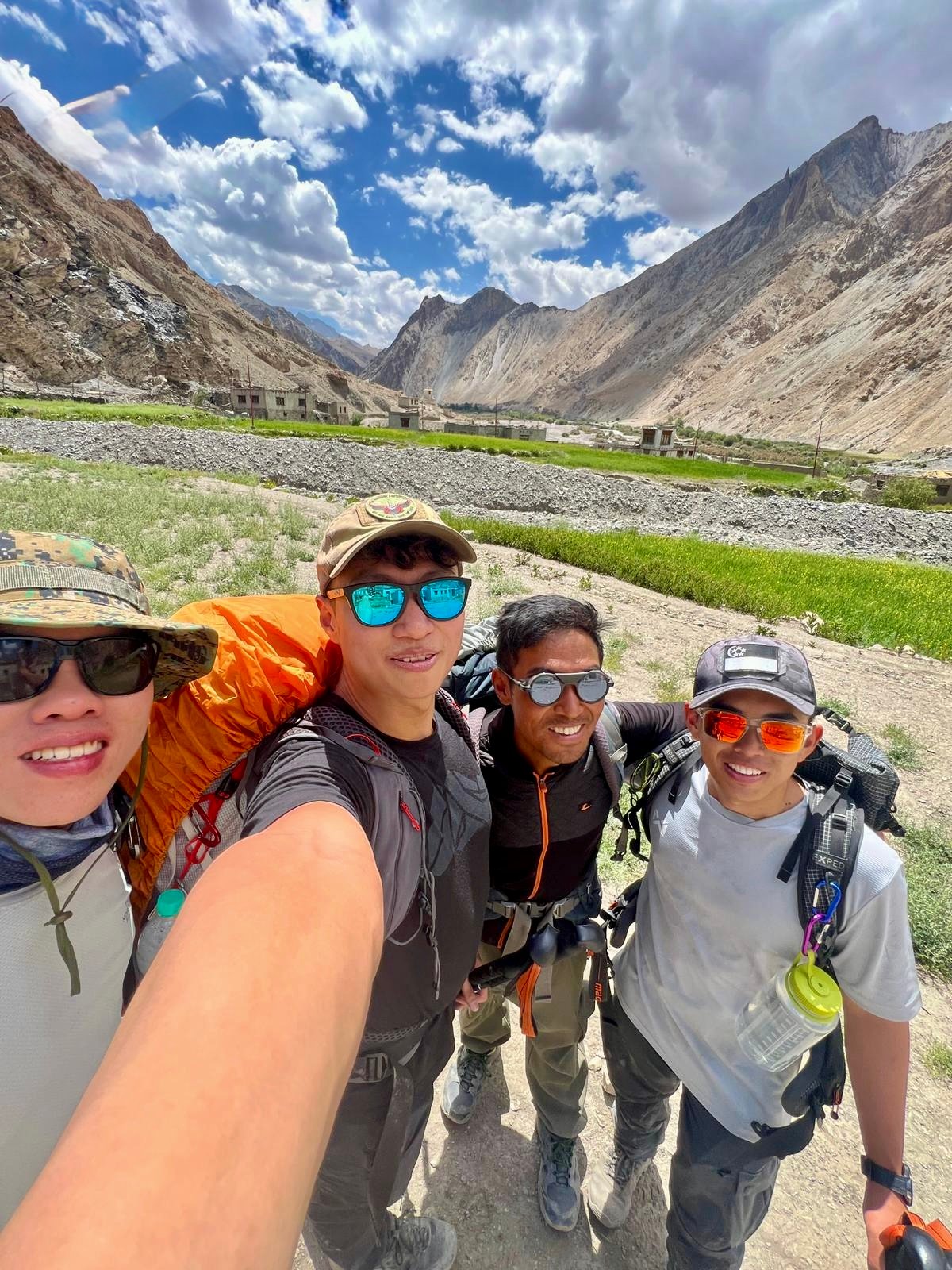
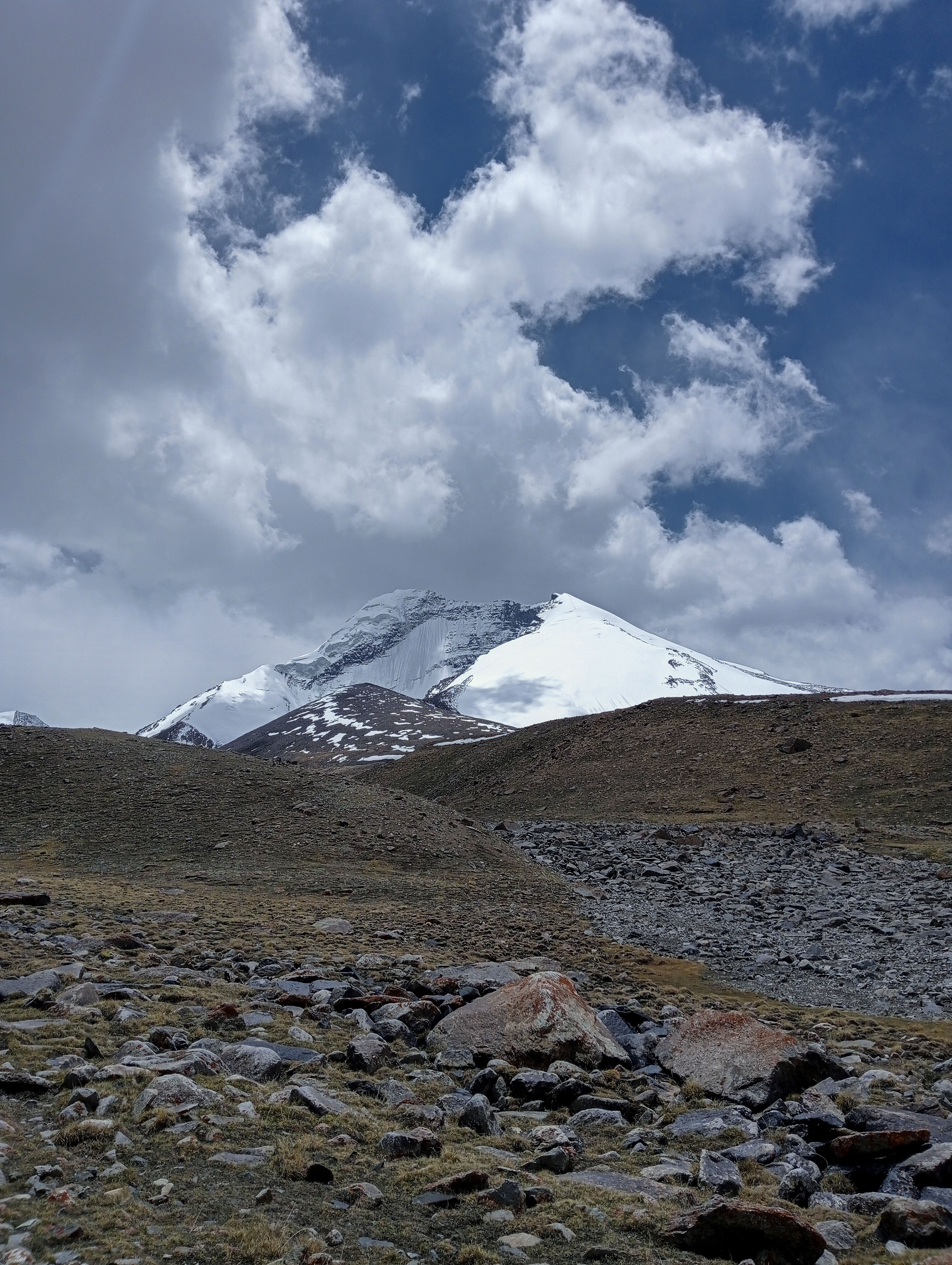
Today’s trek takes you further into the upper reaches of the Markha Valley. The landscape gradually becomes more rugged as the valley widens and towering peaks begin to dominate the skyline. Along the way, enjoy magnificent views of Kang Yatse and neighboring mountains.
The trail ascends steadily toward Hankar, one of the highest permanent settlements in the valley. This picturesque village sits beneath impressive mountain faces and serves as an important acclimatization stop before heading into the alpine zone. Spend the evening relaxing and enjoying the dramatic surroundings.
.webp)
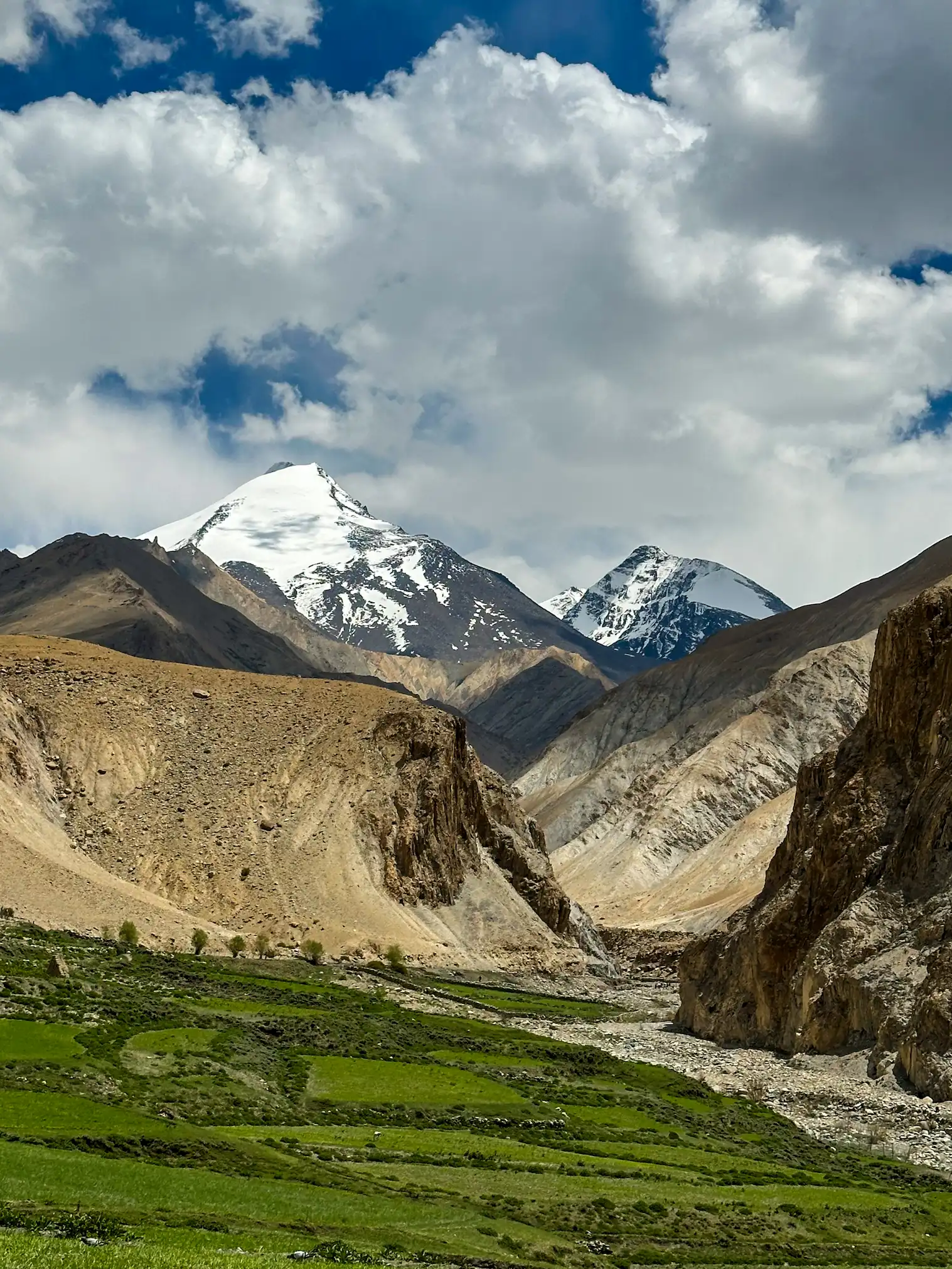
Today is one of the most scenic days of the expedition. Leaving the last inhabited village behind, the trail climbs gradually through high-altitude grazing lands used by local shepherds during the summer months. The landscape opens into vast alpine meadows surrounded by snow-covered peaks.
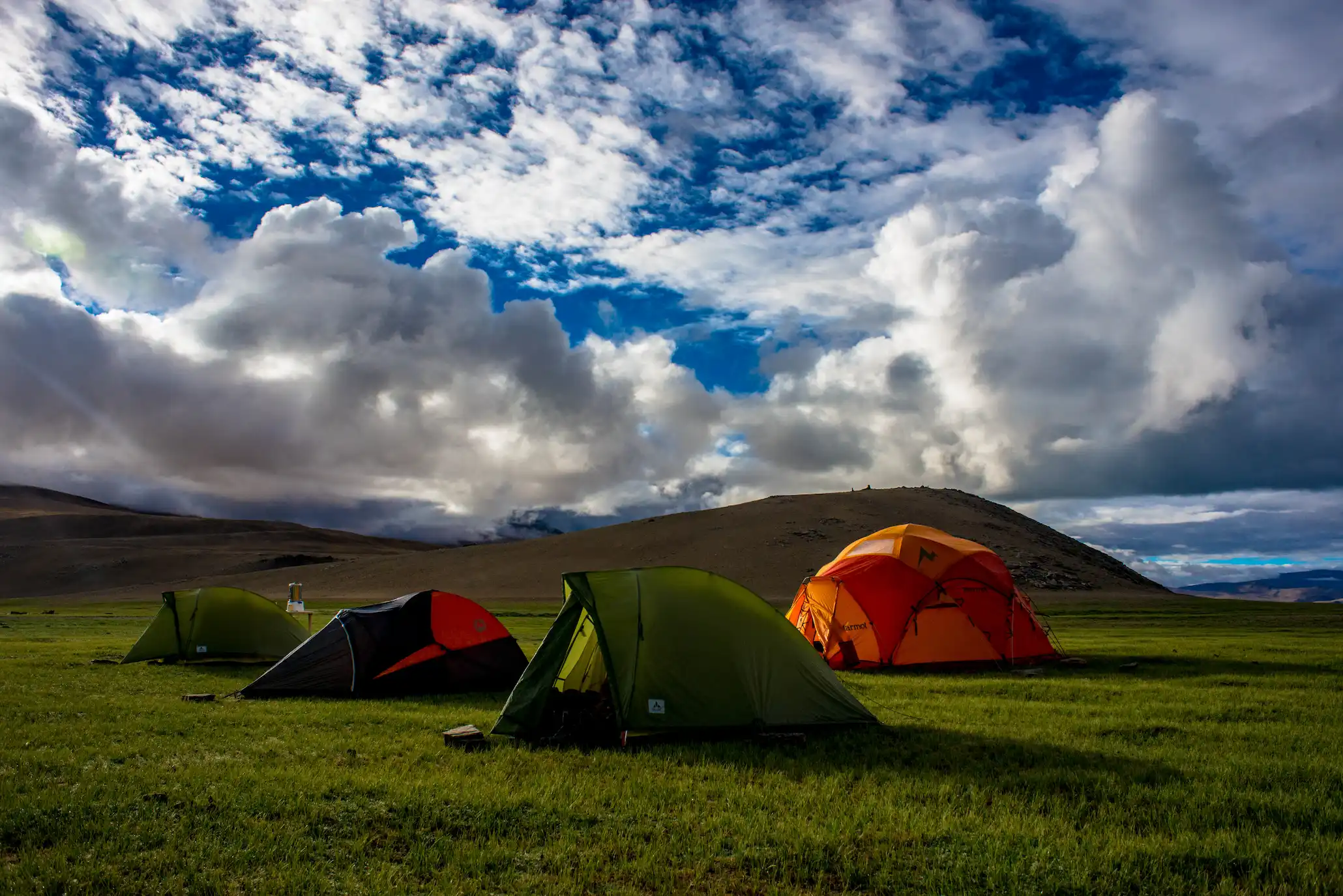
Arrive at Nimaling, a spectacular high-altitude campsite considered one of the most beautiful camping locations in Ladakh. Towering directly above the campsite is the imposing Kang Yatse massif, offering trekkers their first close view of the summit objective. The remainder of the day is spent resting, hydrating, and preparing for the move to base camp.
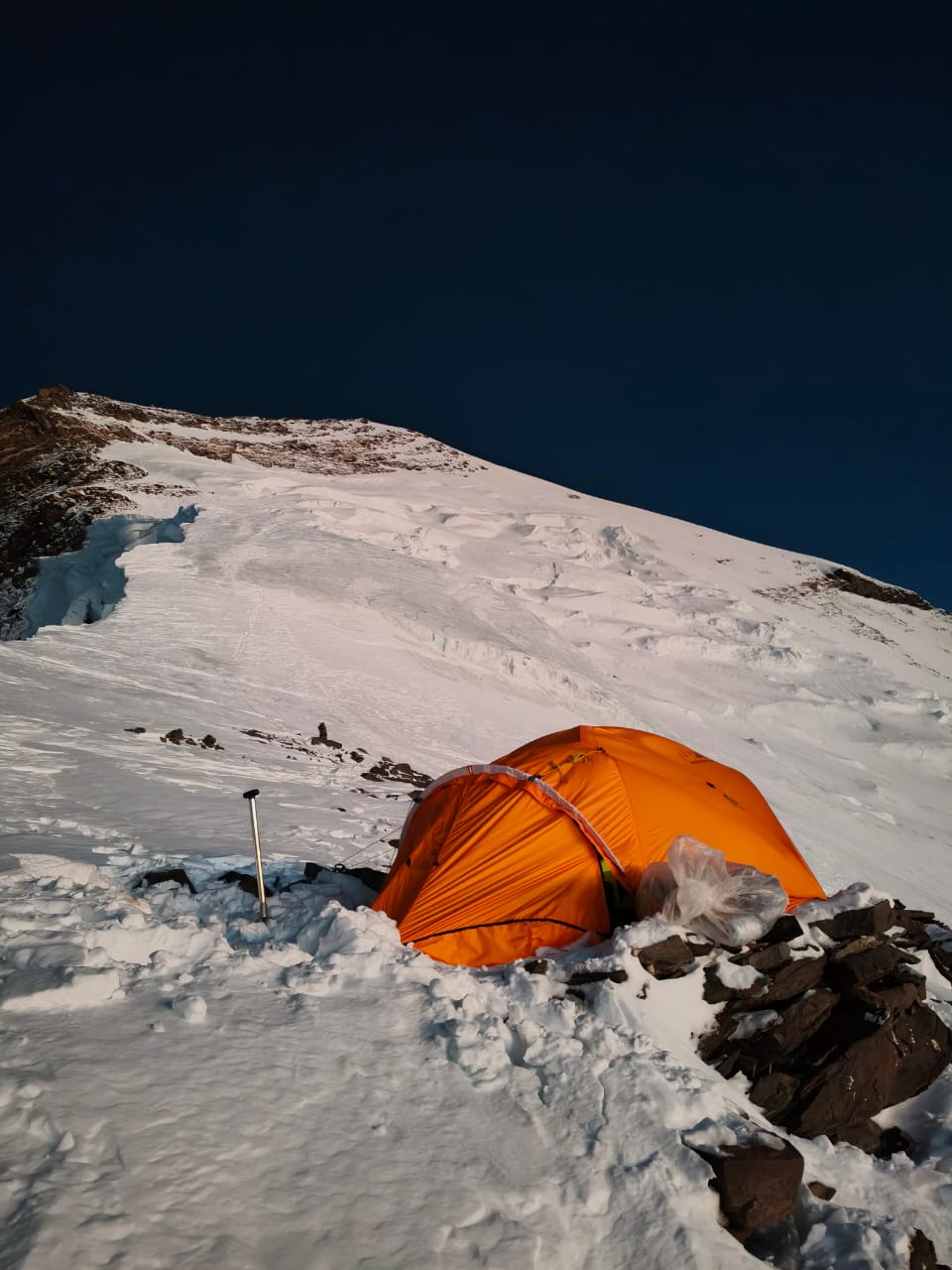
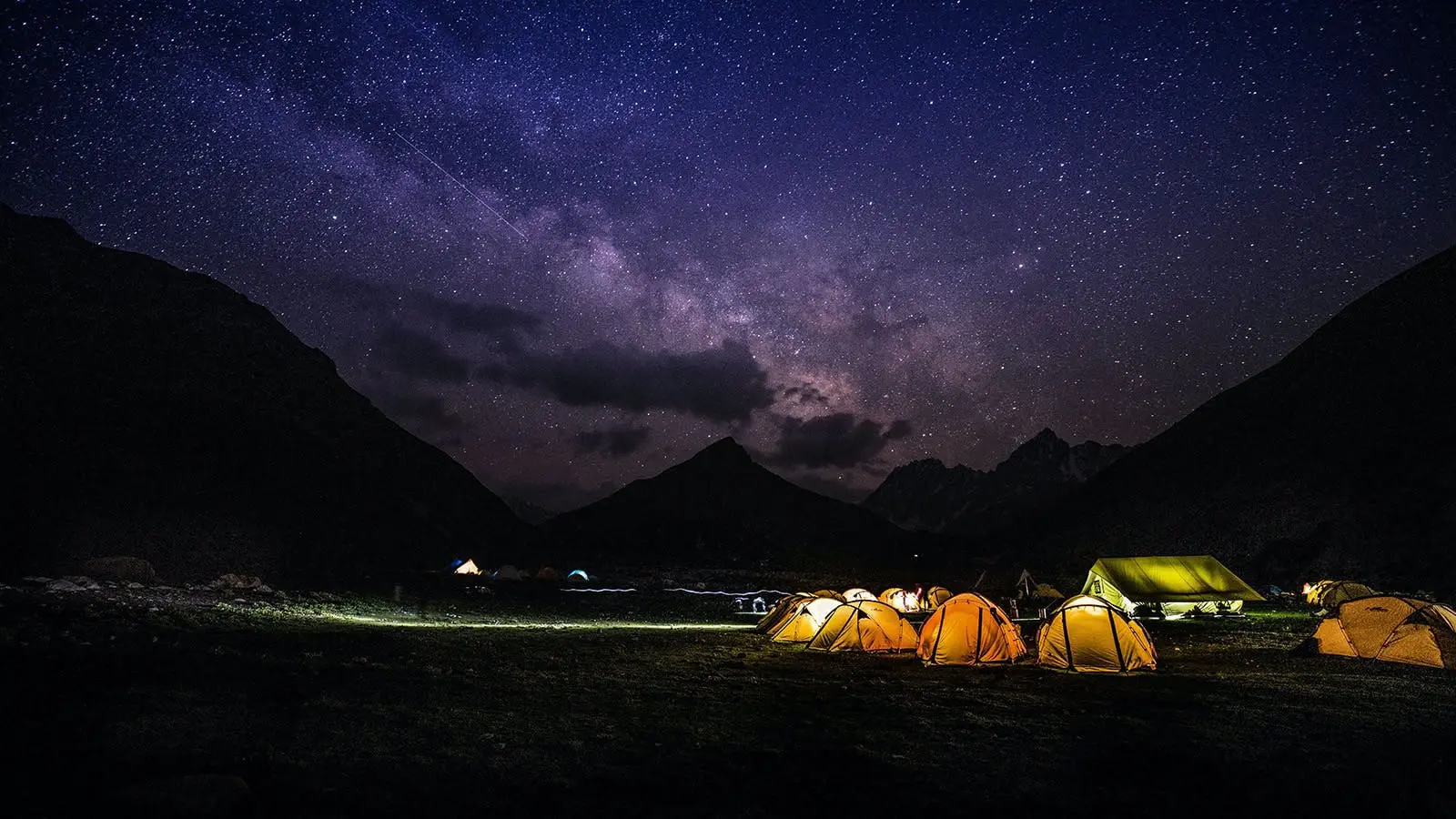
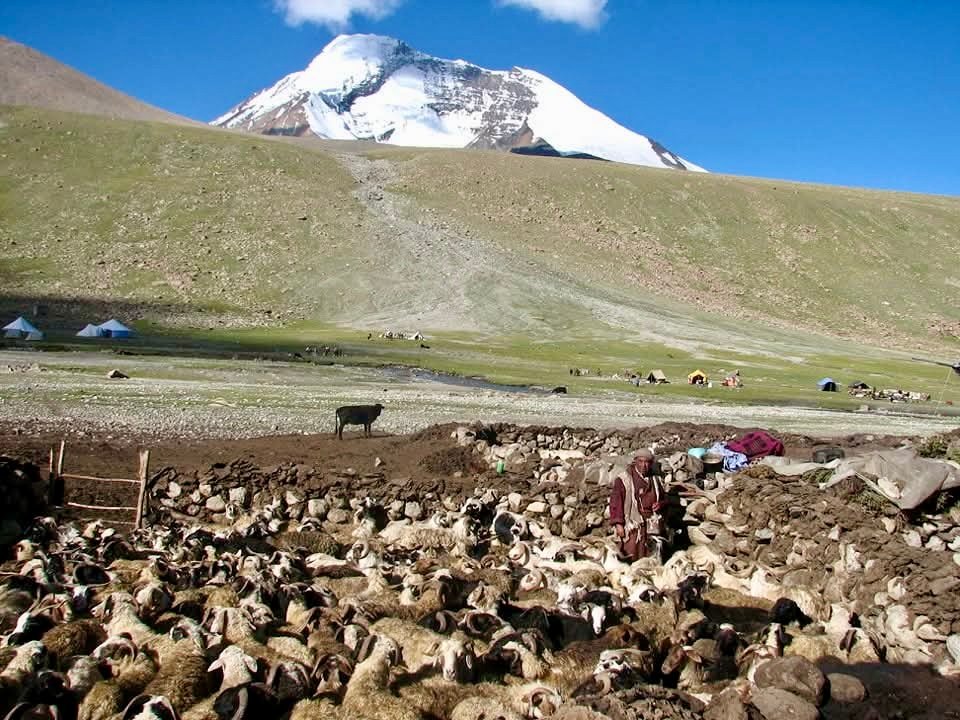
After a relaxed morning, leave Nimaling and trek toward Kang Yatse II Base Camp. Although the distance is relatively short, the increase in altitude requires a slow and steady pace. The route gradually ascends across rocky terrain beneath the towering slopes of the mountain.
Upon arrival at Base Camp, settle into camp and enjoy breathtaking views of the surrounding peaks and glaciers. The expedition team will review summit procedures, safety protocols, and climbing techniques. The remainder of the day is dedicated to rest and recovery to maximize the chances of a successful summit attempt.
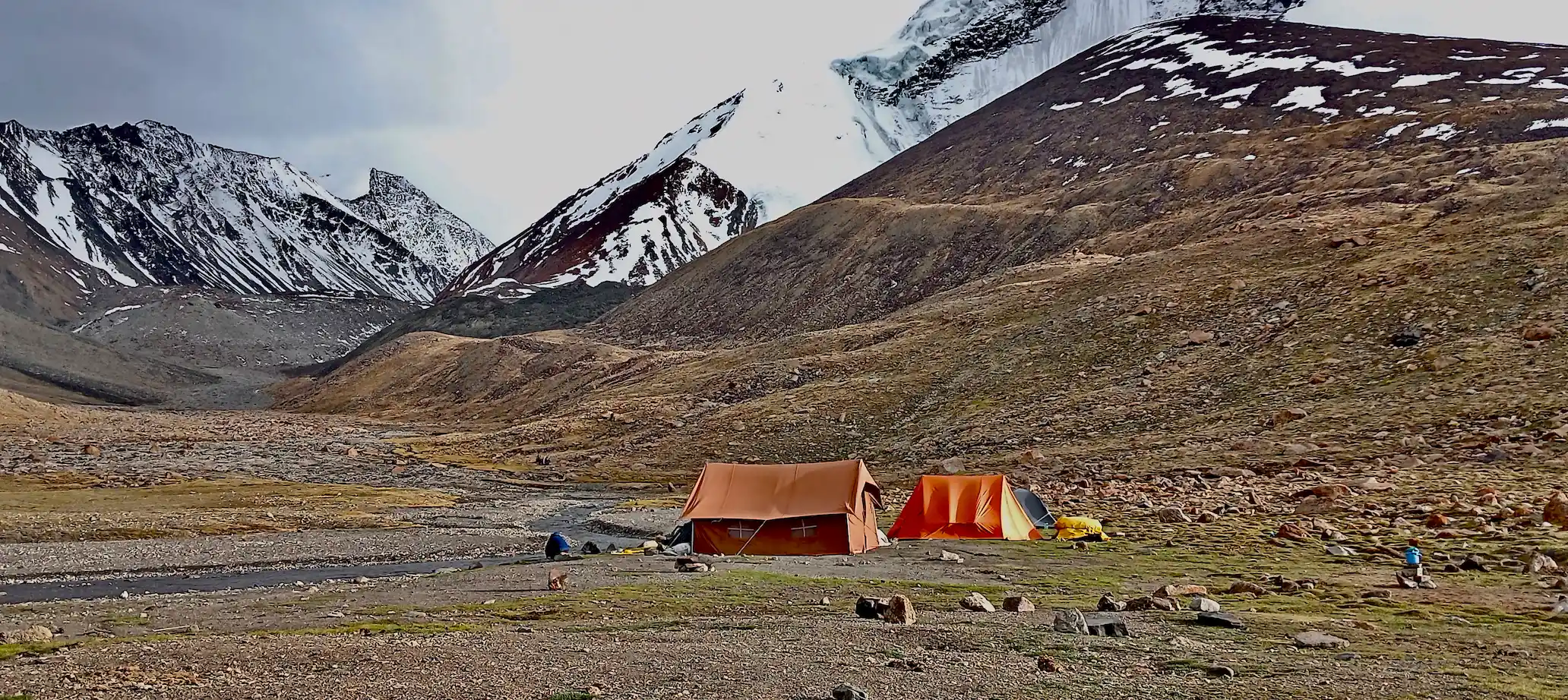
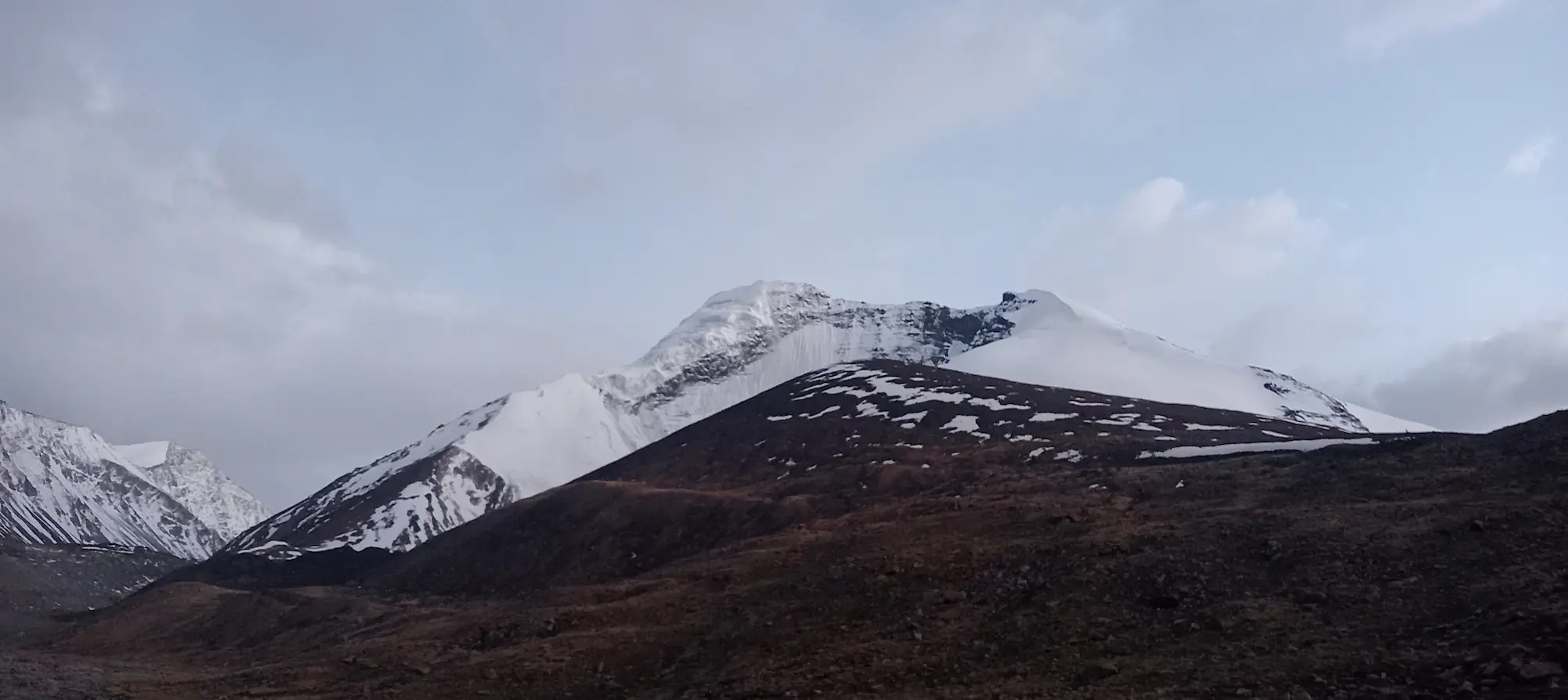
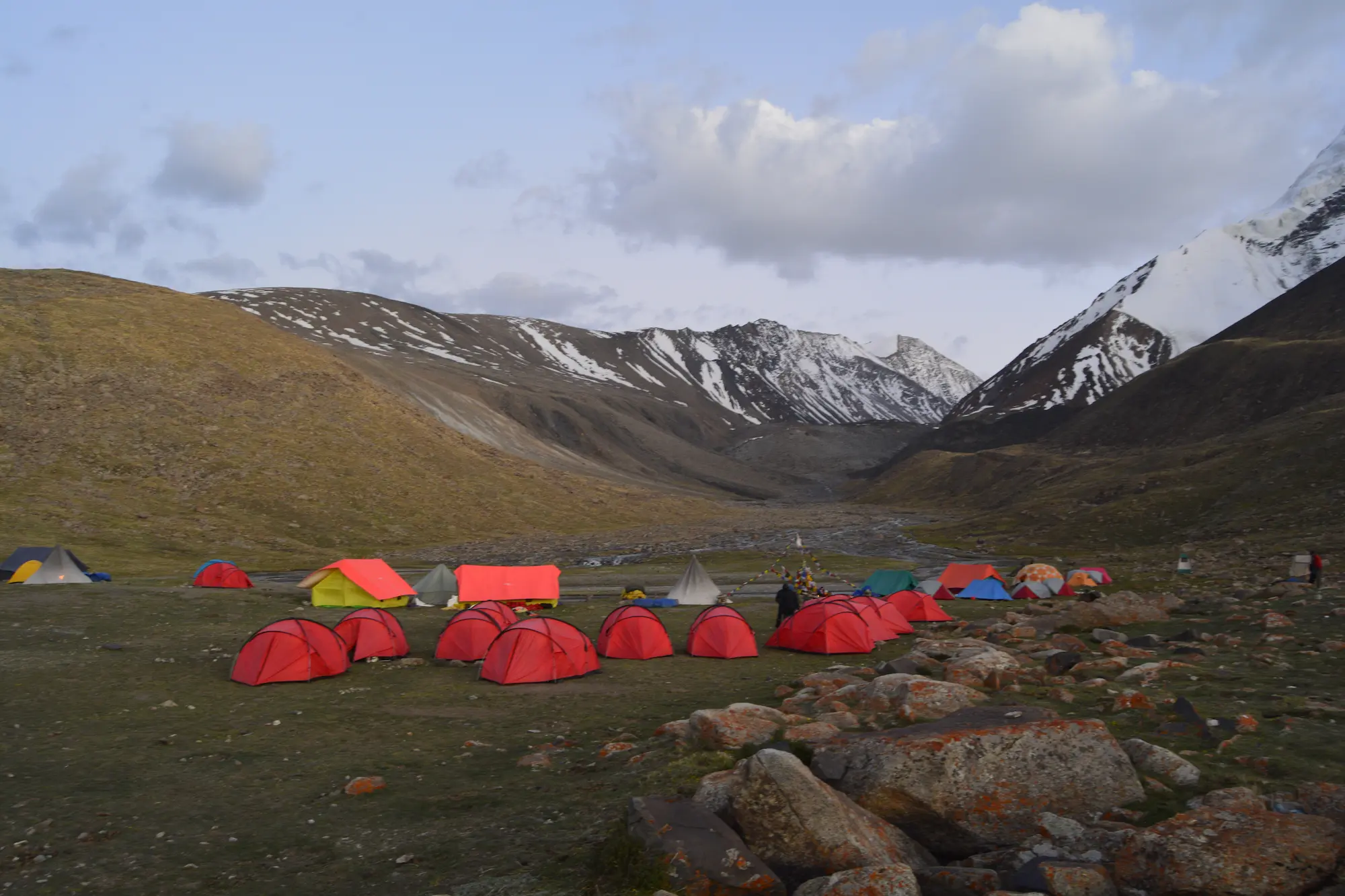
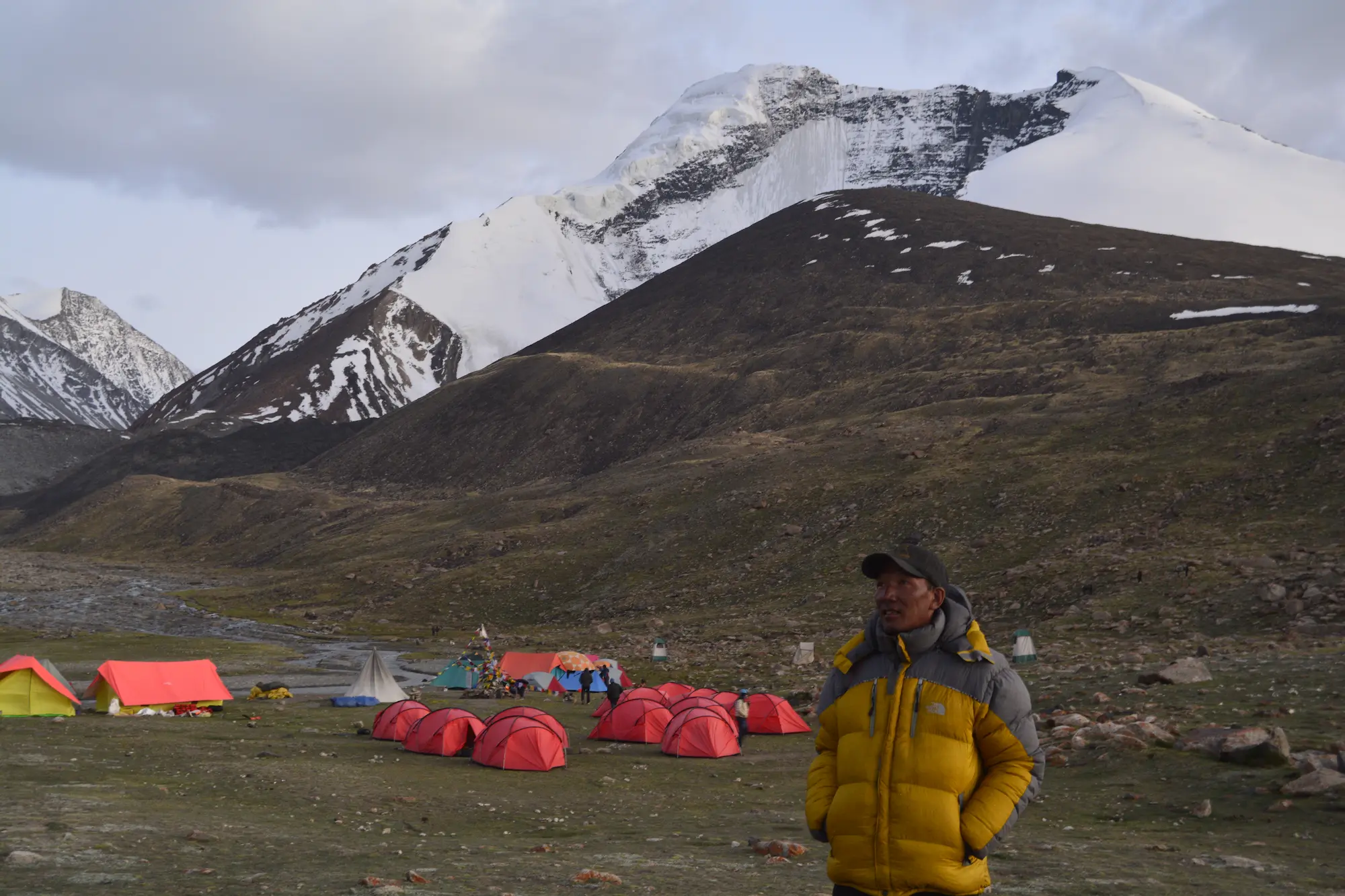
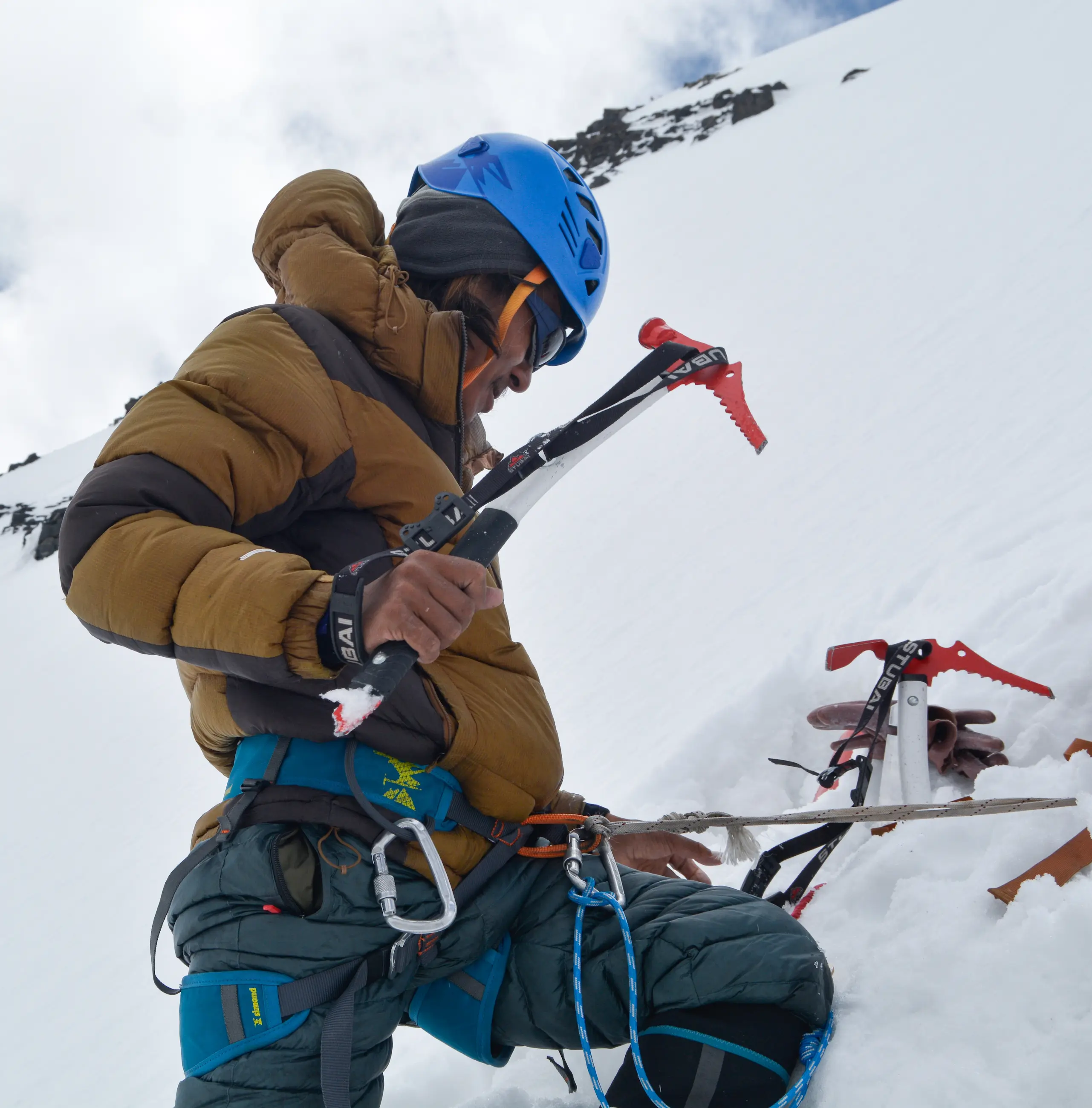
This day is reserved for acclimatization, recovery, and final summit preparations. It is important not to exhaust yourself, as conserving energy is crucial for the challenging summit push ahead. Throughout the day, the climbing team will conduct training sessions covering movement on scree and snow, use of equipment, pacing strategies, and safety measures.
Spend the afternoon resting, hydrating, and organizing personal gear. After an early dinner, retire to your tents for a few hours of sleep. The summit attempt typically begins around 11:00 PM, although the exact departure time may vary depending on weather and route conditions.
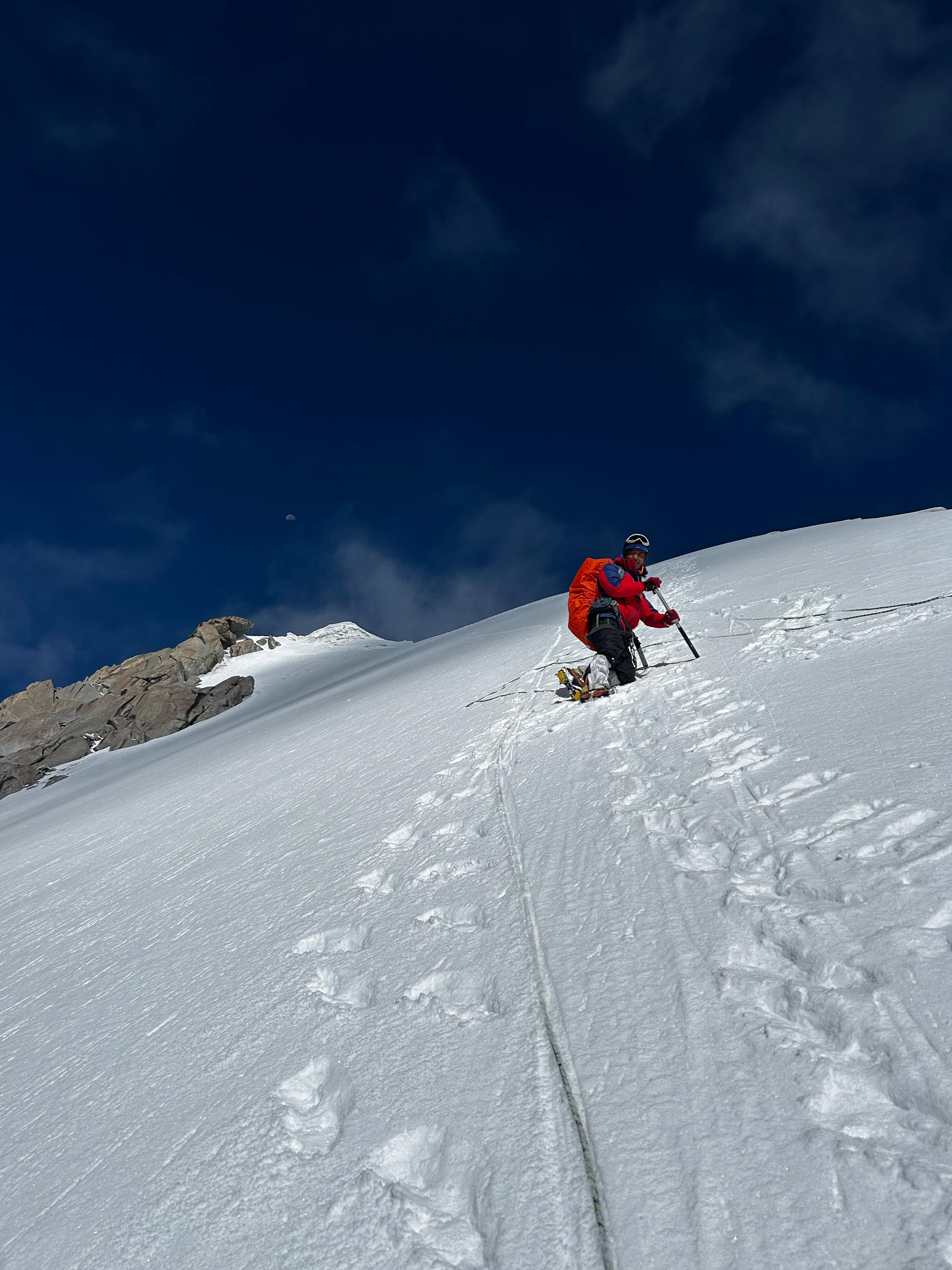
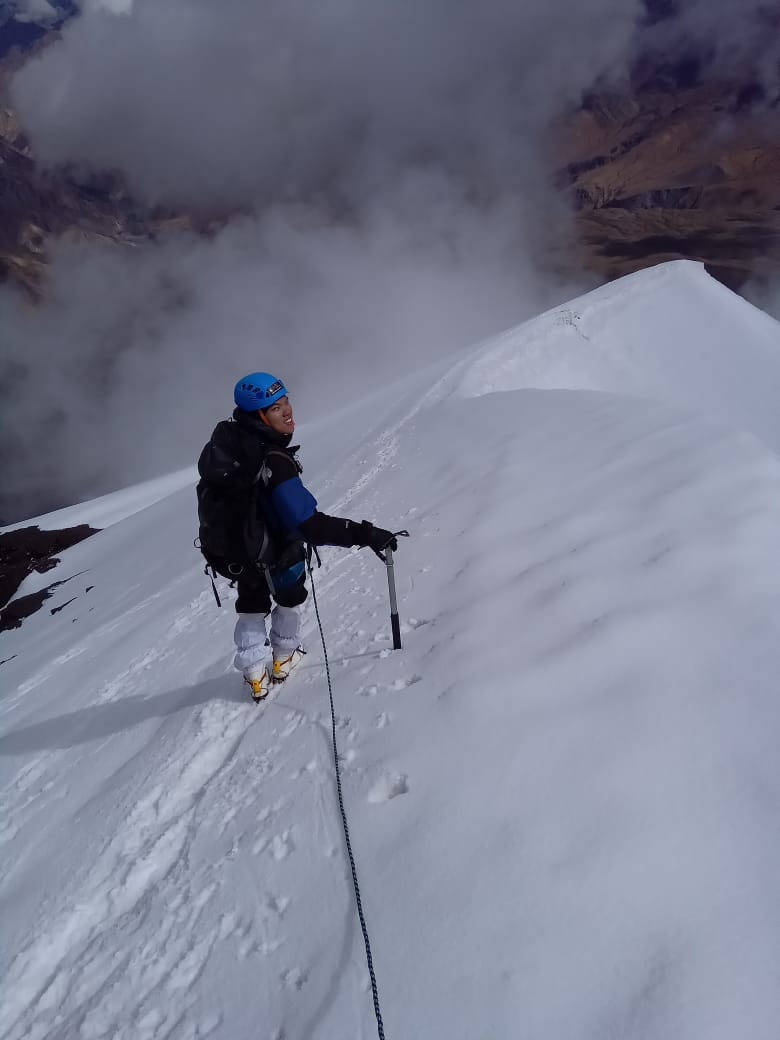
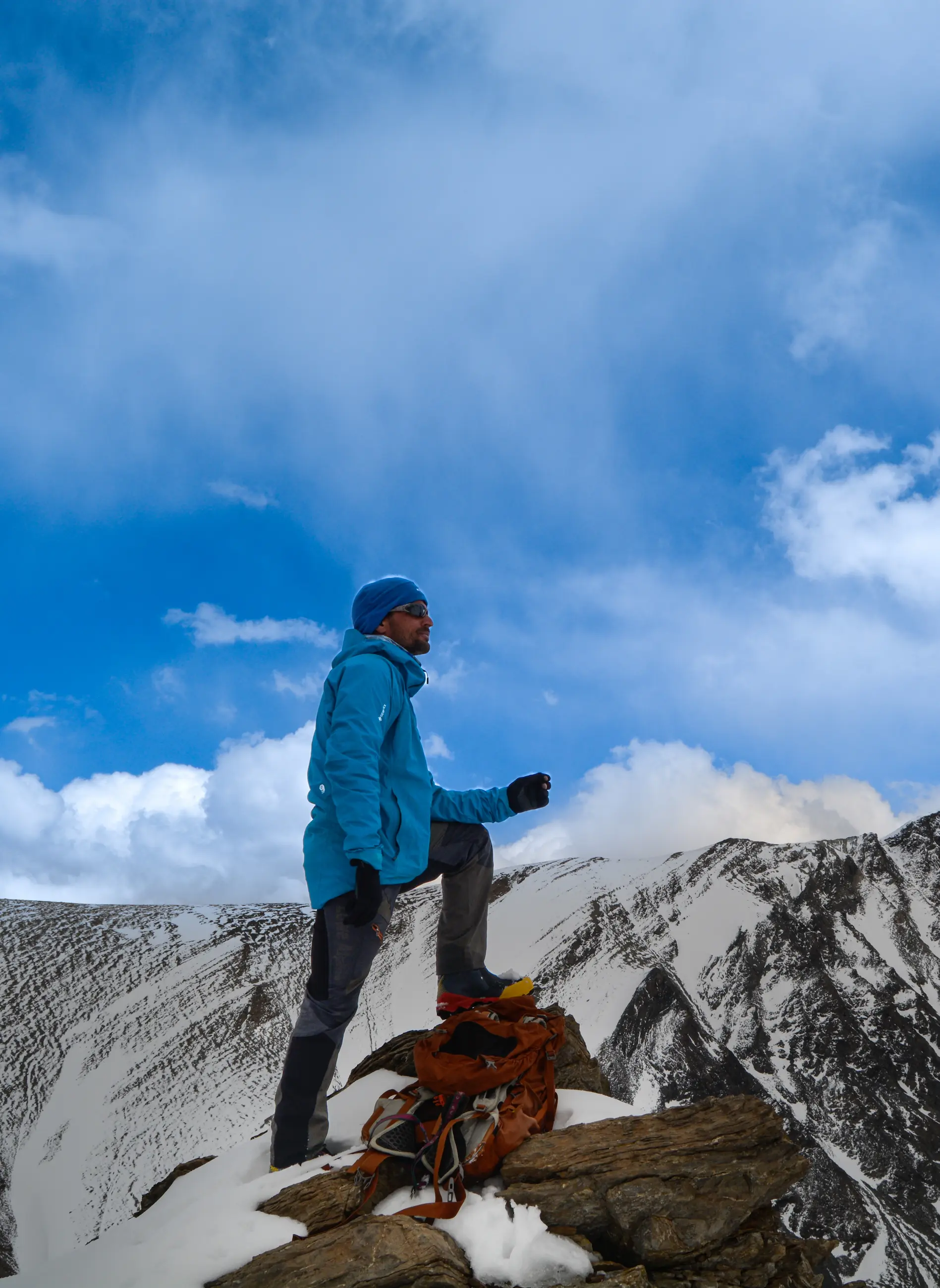
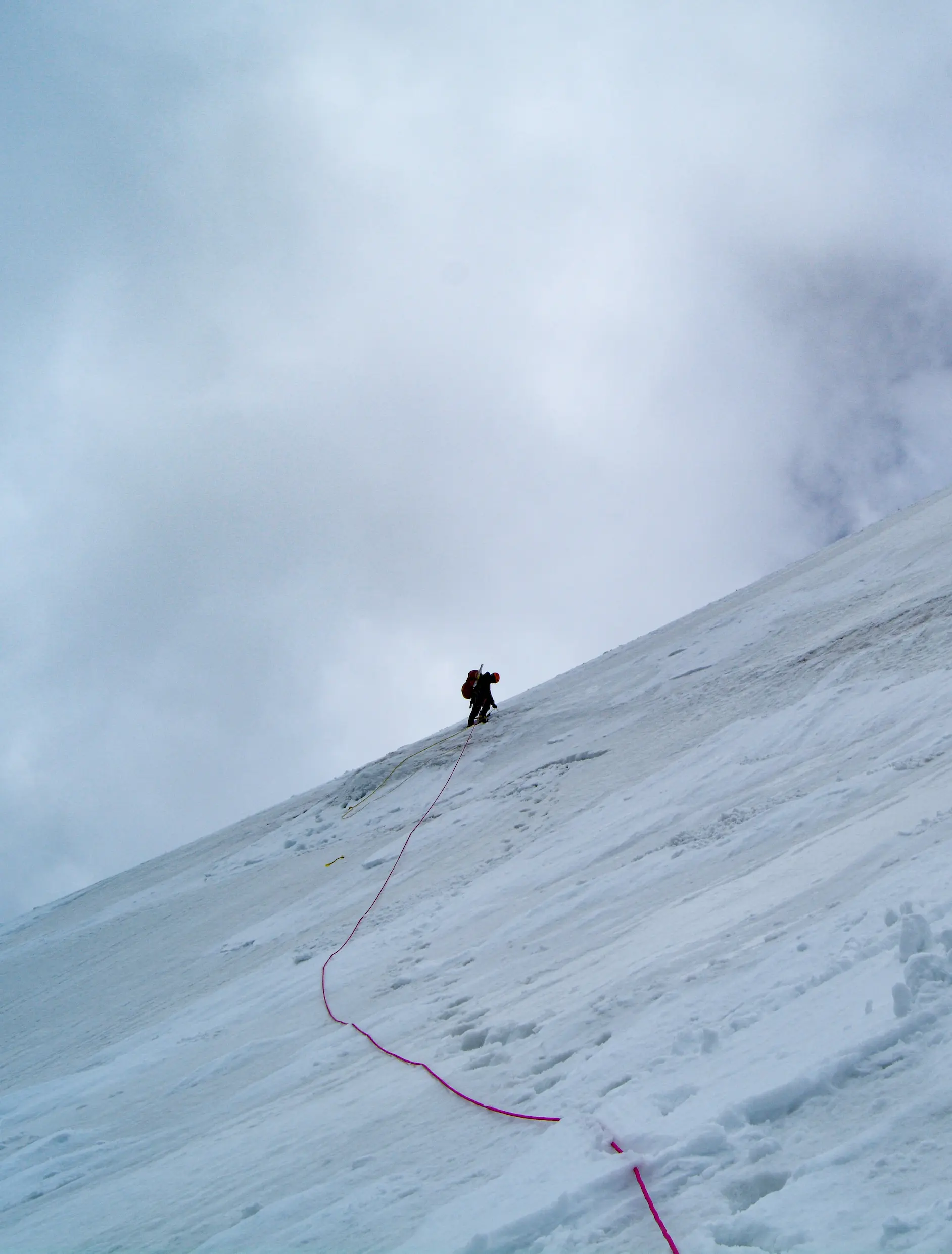
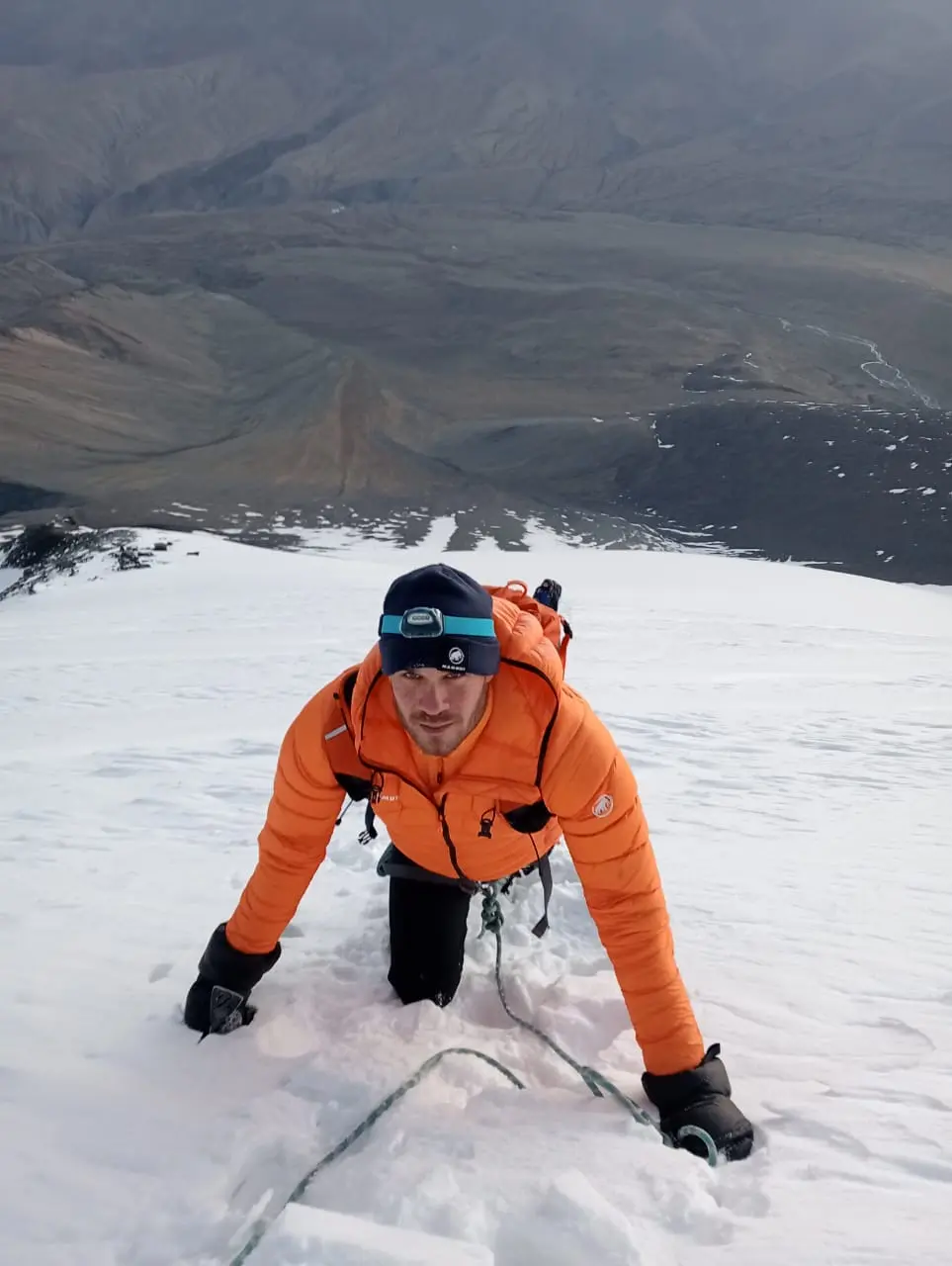
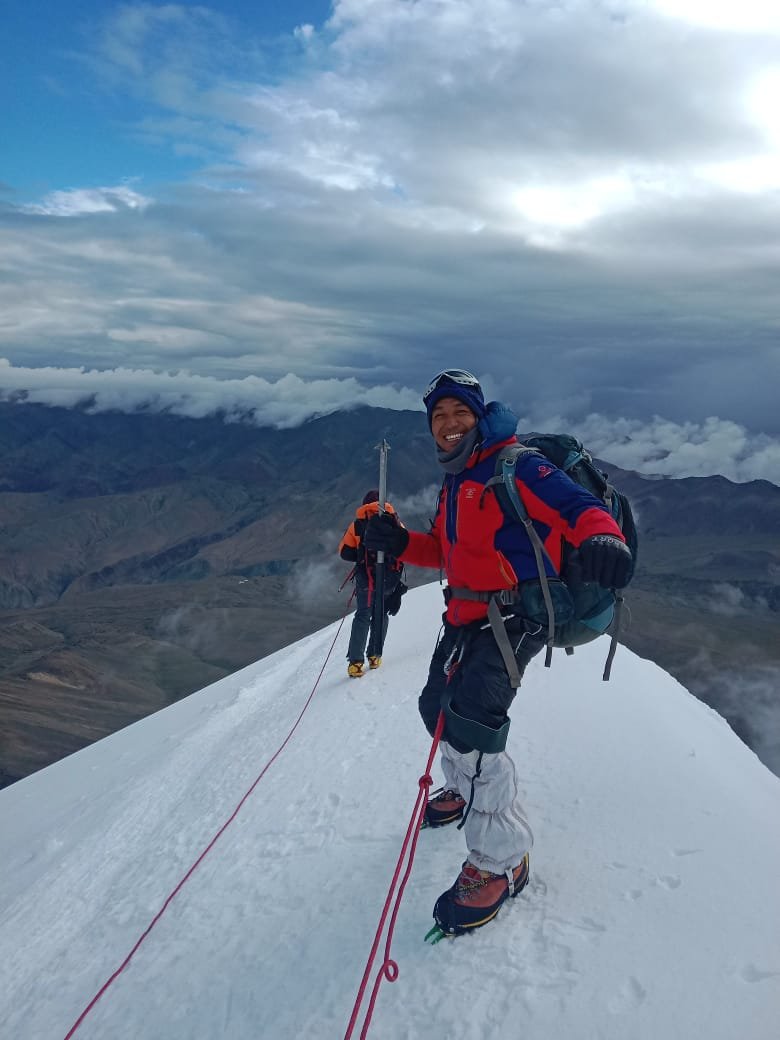
The most challenging and rewarding day of the expedition begins before midnight. Under the light of headlamps and a sky filled with stars, begin the gradual ascent toward the summit of Kang Yatse II. The climb involves steep sections, loose scree, high-altitude terrain, and potentially snow-covered slopes depending on seasonal conditions.
As dawn breaks, spectacular views emerge across the Zanskar and Karakoram ranges. Reaching the summit at 6,250 meters is a remarkable achievement, rewarded with breathtaking 360-degree panoramas of Ladakh's highest peaks and valleys. After spending time on the summit for photographs and celebrations, descend carefully back to Base Camp. The long descent requires concentration and patience but brings a deep sense of accomplishment upon returning to camp.
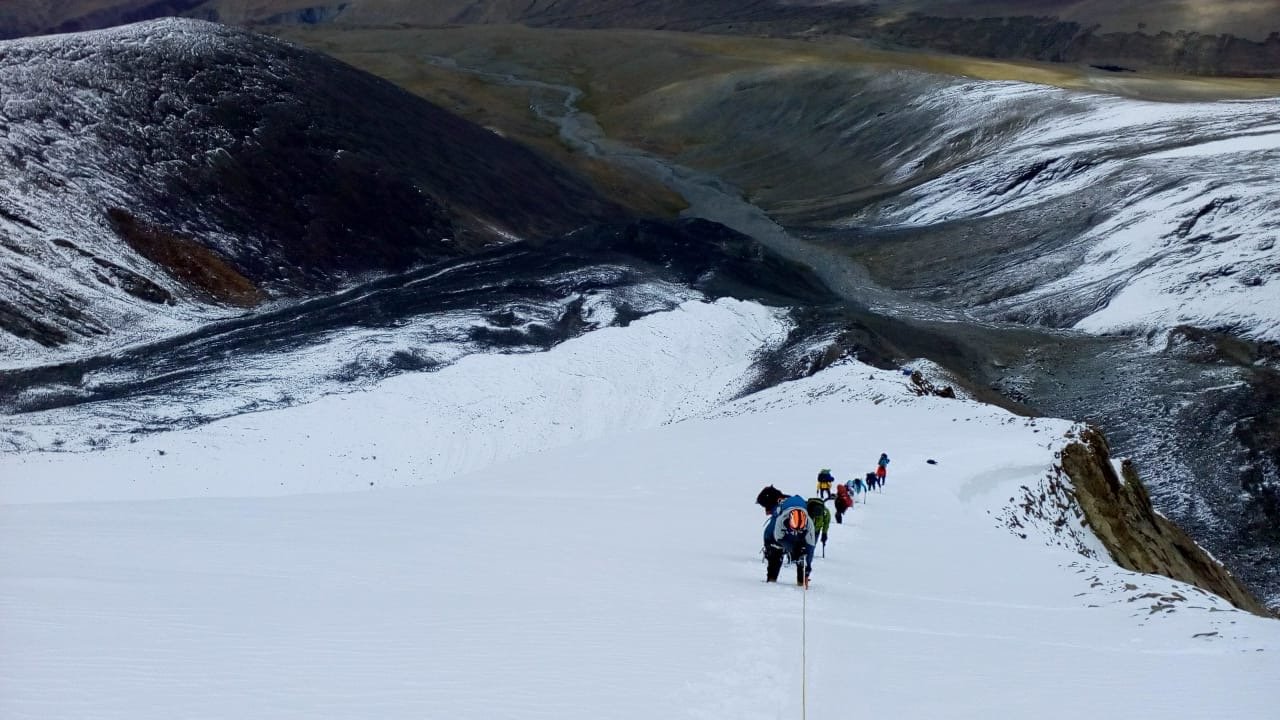
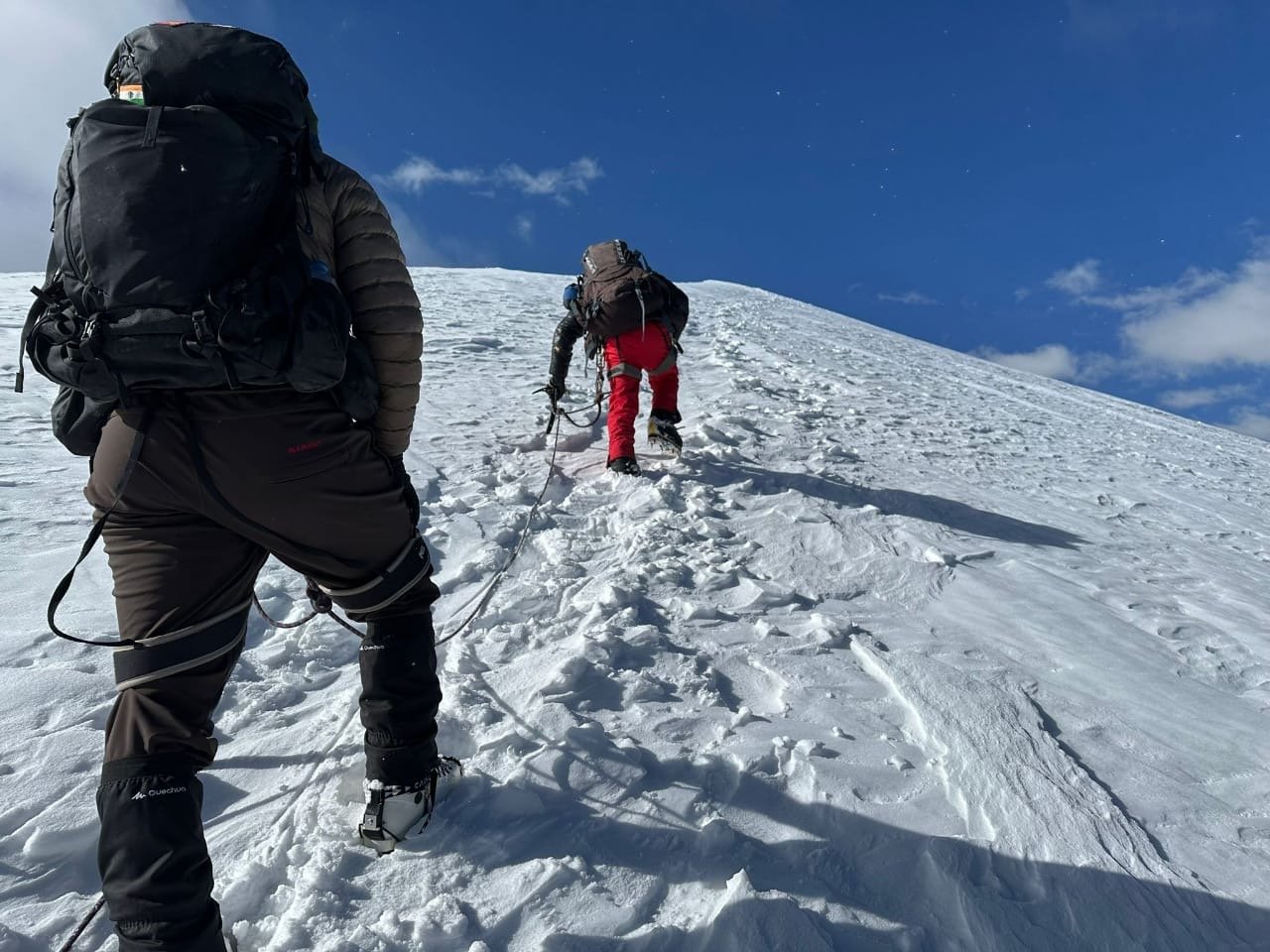
After breakfast, begin the final trekking day by ascending toward Kongmaru La, one of the highest and most spectacular passes in the region. From the top of the pass, enjoy panoramic views of the Ladakh Range, Kang Yatse, and the vast wilderness traversed during the expedition.
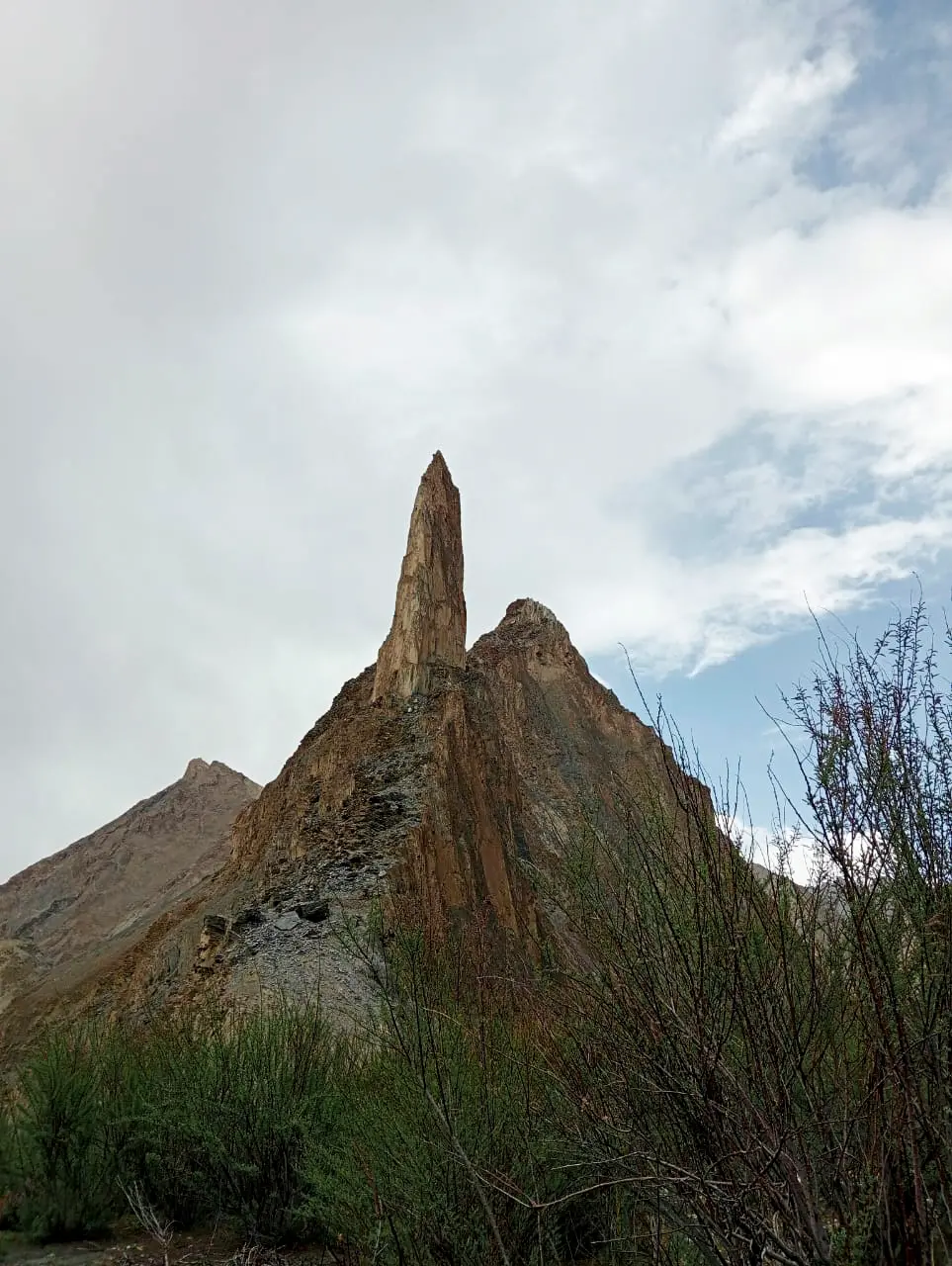
The trail then descends through dramatic canyons, colorful rock formations, and narrow gorges toward Chokdo. Upon reaching the roadhead, board vehicles for the scenic drive back to Leh. Arriving in Leh marks the completion of an unforgettable journey through the heart of the Markha Valley and a successful ascent of Kang Yatse II.
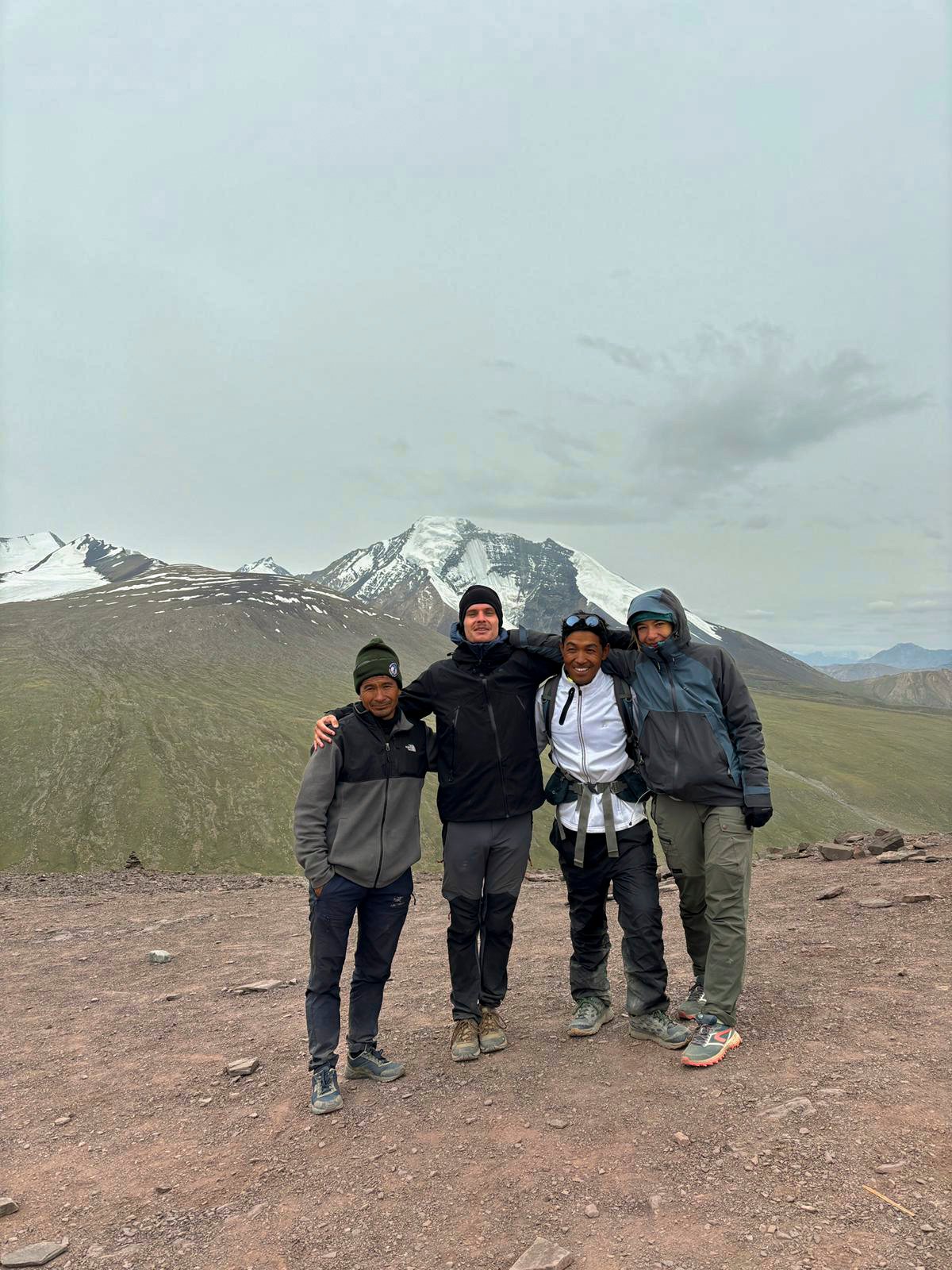
Morning after breakfast transfer to leh airport for your flight back home
Inclusions
Everything covered in your package
Exclusions
Not covered — arrange these separately
Showing 8 of 27 items
|
01
2 - 3 dry trekking T-Shirts
|
02
2 Trekking pants
|
|
03
Thermal inner wear (top and bottom)
|
04
Fleece Jacket
|
|
05
Down jacket for cold weather
|
06
Water proof and wind proof jacket
|
|
07
Water proof trouser
|
08
Warm cap or woollen beanie
|
|
09
Sun hat or cap
|
10
Neck gaiter or buff
|
|
11
Warm gloves
|
12
Waterproof outer gloves
|
|
13
3 - 4 pairs of trekking socks
|
14
Good quality trekking shoes with ankle support
|
|
15
Camp shoes or sandals
|
16
Trekking bag pack (50 - 65 liters)
|
|
17
Daypack (20 - 30 liters)
|
18
Rain cover for bagpack
|
|
19
Dry bags or waterproof bags
|
20
Trekking poles
|
|
21
Head tourch with extra batteries
|
22
Sun glasses with UV protection
|
|
23
Water bottle or hidration bladder
|
24
Thermos flask
|
|
25
Personal medical kit
|
26
Toiletries
|
|
27
Dry fruit and energy bars
|
Trip Note :
The Kang Yatse II Expedition takes place in a remote high-altitude region where weather, trail conditions, and local circumstances can change unexpectedly. While we carefully plan our expeditions during the best trekking seasons, flights to and from Leh may occasionally be delayed or canceled due to adverse weather or operational reasons.
In the event of flight delays, cancellations, or itinerary changes beyond our control, any additional expenses such as accommodation, meals, transportation, or personal costs will be the responsibility of the participant. Altitude Adventure will provide all possible logistical assistance and support in making alternative arrangements.
Please note that mountain weather, road conditions, altitude-related concerns, and group safety may require modifications to the itinerary, including changes to trekking schedules, campsites, or summit plans. The expedition leader's decisions regarding safety and route management are final.
As this expedition reaches elevations above 6,000 meters, participants should be aware that summit success cannot be guaranteed. The safety and well-being of all participants will always take priority over reaching the summit.
We strongly recommend maintaining flexible travel plans, including buffer days before and after the expedition, and obtaining comprehensive travel insurance that covers high-altitude trekking, mountaineering activities, and emergency evacuation.
Altitude Adventure is committed to providing a safe, professional, and memorable mountain experience while maintaining the highest standards of service throughout the expedition.
The Complete Guide
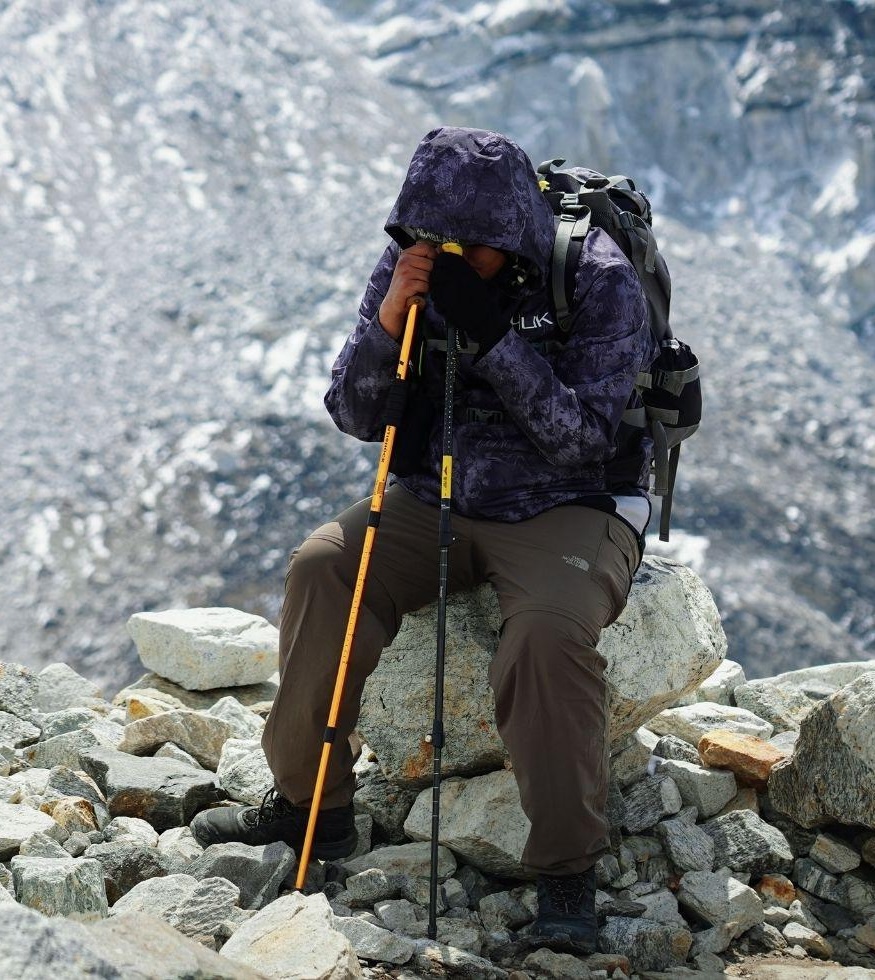
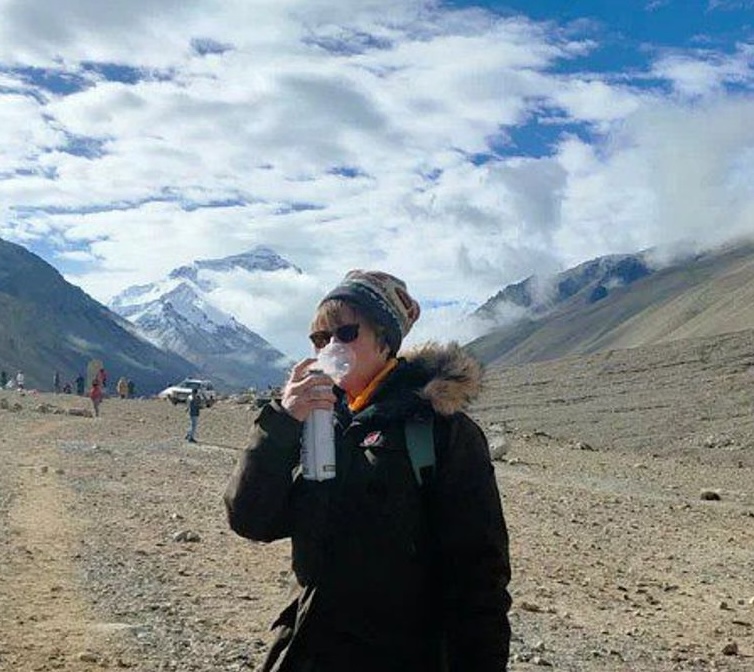
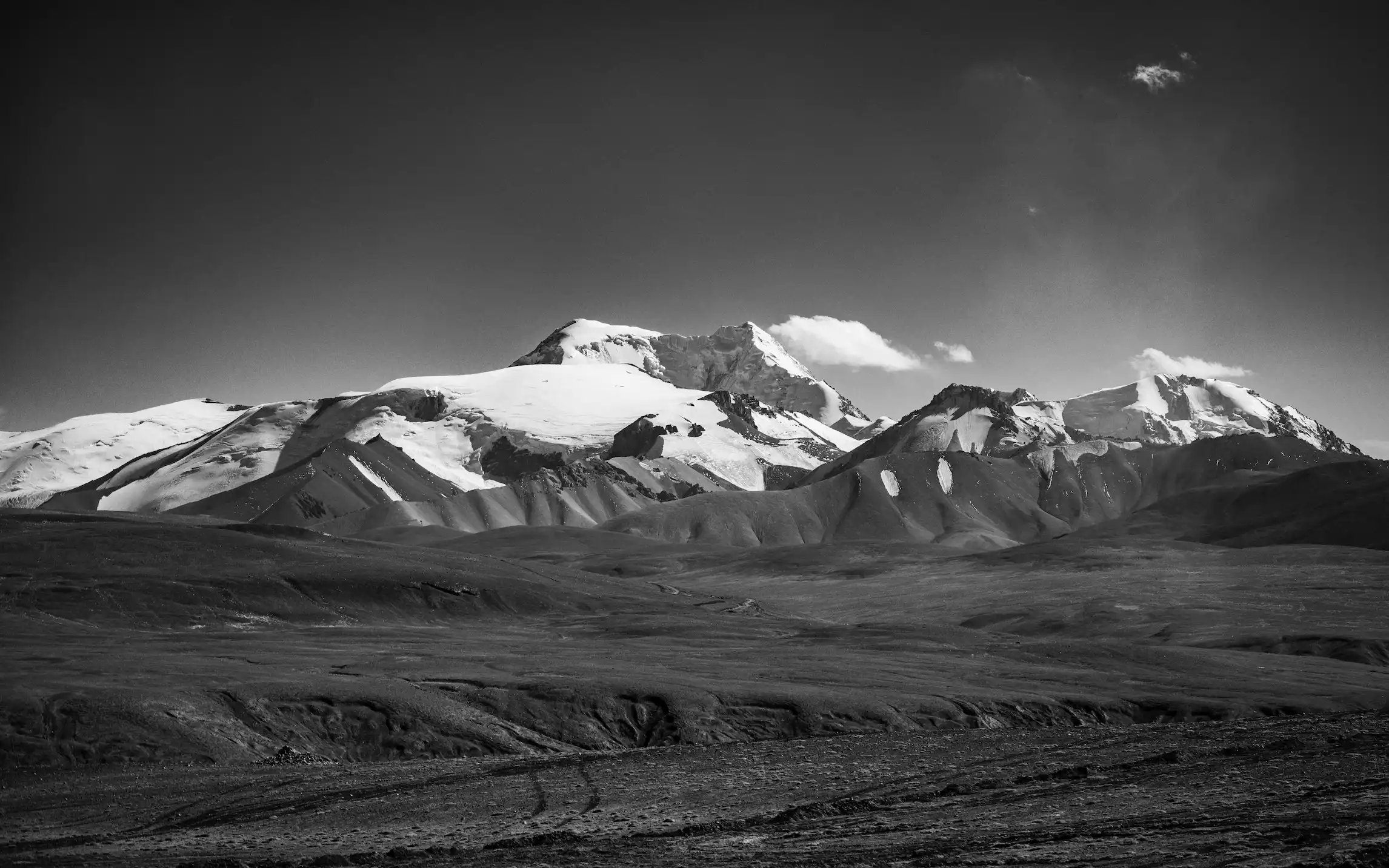
Kang Yatse II is a 6,250-meter (20,505 ft) trekking peak located in the Markha Valley region of Ladakh. It is one of the most popular beginner-friendly Himalayan climbing peaks in India.
Kang Yatse II is located inside Famous Hemis National Park in Ladakh. The expedition usually starts from Leh and follows the beautiful Markha Valley trekking route.
The summit of Kang Yatse II stands at 6,250 meters (20,505 feet) above sea level.
Yes. Kang Yatse II is considered one of the best beginner mountaineering peaks in India. Good fitness, trekking experience, and proper acclimatisation are important.
Previous climbing experience is helpful but not compulsory. Basic training on using crampons, ice axe, rope, and climbing equipment is provided before the summit climb.
The climb is graded as Moderate to Difficult. It involves glacier travel, steep snow slopes, loose rocks, and a long summit day.
The best climbing season is:
June
July
August
September
October
These months usually offer stable weather and better summit conditions.
Most Kang Yatse II expeditions take 10to 12 days, including acclimatisation, trekking, summit climb, and return to Leh.
The expedition starts and ends in the city of Leh.
The summit camp is usually established at approximately 5,300–5,500 meters, depending on route and snow conditions.
Yes. Entry permits and environmental permits are required. ALTITUDE ADVENTURE arranges all necessary permits.
You should be able to:
Trek 6–8 hours daily
Walk comfortably with a backpack
Run 5 km in under 35 minutes
Have good stamina and leg strength
Summit day usually starts around midnight or 1:00 AM. Climbers walk on snow and glacier terrain using crampons and ropes to reach the summit before descending to camp.
Yes. The summit route crosses glaciers and snow slopes where climbing equipment is used.
Yes. Since the expedition reaches over 6,000 meters, there is a risk of altitude sickness. Proper acclimatisation, hydration, and slow ascent reduce the risk.
The success rate depends on weather, fitness, acclimatisation, and team performance. Most well-prepared climbers have a good chance of reaching the summit.
Essential equipment includes:
Mountaineering boots
Crampons
Ice axe
Helmet
Harness
Down jacket
Sleeping bag
Trekking poles
Headlamp
Warm gloves
Common Technical equipment is provided by Altitude Adventure
No. Supplemental oxygen is normally not used on Kang Yatse II. Climbers ascend without bottled oxygen.
Most operators accept participants aged 18years and above with parental consent for minors. The recommended age depends on fitness and experience.
Accommodation generally includes:
Hotel or guesthouse in Leh
Twin-sharing tents during the trek
High-altitude expedition tents at base camp and summit camp
Fresh vegetarian and non-vegetarian meals are generally served during the expedition. High-energy food, soups, tea, coffee, and snacks are also provided.during the trekking packed Lunch will be served
On the summit of Kangyatse and KongMobile network available and at village Markha and Hankar some time you will find wifi for emergency contact and at higher camps there is usually no mobile signal.
The nearest airport is Kushok Bakula Rimpochee and Srinagar airport are same distanceAirport.
Approximate coordinates:
Latitude: 33.761° N
Longitude: 77.583° E
The expedition is commonly combined with the famous Markha Valley Trek, Juglam Trek and Morangla Trek route making it one of the most scenic trekking and climbing adventures in Ladakh.
Altitude Adventure offers:
Experienced local climbing guides
Certified mountaineering staff
Small expedition groups
High-quality camping equipment
Nutritious meals
Safety-focused operations
Oxygen cylinder and first-aid support for emergencies
Complete logistics from Leh to Leh
Yes. Most technical equipment such as mountaineering boots, crampons, harnesses, helmets, gaiters, and ice axes can be rented in Leh if needed.
Generally in Markha valley temperature goes around + 20-25 Celsius in day time and at high camp from 5°C to 15°C and if the weather condition goes cloudy at higher camps and summit temperatures may fall to -15°C to -20°C, especially at night.
You usually carry only your daypack with water, snacks, and personal items. Main expedition gear is generally transported by horses or porters where available.
From the summit, climbers can enjoy panoramic views of the Karakoram Range, Zanskar Range, Stok Range, and Changthang range nd many surrounding Himalayan peaks on a clear day.
Kang Yatse II is a trekking peak with basic mountaineering challenges. The expedition includes glacier travel, snow climbing, and the use of technical climbing equipment during the summit push.
Difficulty: Moderate to Difficult
Suitable for:
Strong trekkers
Adventure enthusiasts
Beginner mountaineers
Experienced hikers with good fitness
On a clear day you can see:
Karakoram Range
Zanskar Range
Ladakh Range
Stok Range
Most expeditions establish the Base camp between 5,300 and 5,500 meters, depending on weather and snow conditions.
Yes, when organised by experienced guides with proper acclimatisation, safety equipment, and emergency planning. However, all high-altitude mountaineering involves natural risks.
Our expedition team carries:
High Altitude Medical Kit
Oxygen Cylinder
Pulse Oximeter
Portable Stretcher (where required)
Mobile Phone Communication where ever possible
Climbing Ropes
Snow Anchors
Ice Screws
Modified Rescue Equipment
Yes.
Our climbing team includes experienced local mountain guides trained in:
High Altitude Rescue
Glacier Travel
Rope Management
First Aid
Mountain Safety
f required, our team will:
Give immediate first aid
Provide oxygen support
Descend to a lower altitude
Arrange evacuation
Coordinate helicopter rescue when weather and authorities permit
Yes.
Helicopter evacuation is possible in many cases, but it depends on:
Weather conditions
Visibility
Government permission
Helicopter availability
Rescue costs are usually covered only if you have suitable travel insurance.
Yes.
International participants should have insurance that covers:
Trekking above 6,000 meters
Mountaineering
Emergency evacuation
Helicopter rescue
Medical treatment
Trip cancellation
Yes.
Anyone can develop altitude sickness, regardless of age or fitness.
Symptoms include:
Headache
Nausea
Loss of appetite
Dizziness
Difficulty sleeping
Fatigue
We reduce the risk by:
Proper acclimatisation
Slow ascent
Rest days
Health monitoring
Drinking enough water
Experienced guides
Yes.
Our guides regularly check participants using a Pulse Oximeter throughout the expedition.
Weather in the Himalayas changes quickly.
You may experience:
Bright sunshine
Strong winds
Snowfall
Freezing nights
Sudden temperature changes
Typical temperatures are:
Day: -5°C to 5°C
Night: -10°C to -20°C
Wind chill may make it feel even colder.
Yes.
Safety always comes first.
The expedition leader may cancel or postpone the summit attempt because of:
Heavy snowfall
Strong winds
Avalanche risk
Bad weather
Unsafe mountain conditions
Normally we provide:
Climbing Helmet
Harness
Crampons
Ice Axe
Carabiners
Climbing Rope
Safety Slings
You should bring:
Down Jacket
Thermal Clothing
Waterproof Jacket
Waterproof Pants
Mountaineering Boots
Trekking Poles
Gloves
Woollen Socks
Sunglasses (Category 4 recommended)
Headlamp
Water Bottles
Backpack
Personal Medicines
Yes.
Most mountaineering equipment is available for rent in Leh Market.
Good quality insulated mountaineering plastic or water proof boots compatible with crampons are highly recommended.
Accommodation includes:
Hotel or Guest House in Leh
Twin-sharing trekking tents
High-altitude expedition tents
Dining Tent
Kitchen Tent
Toilet Tent
Yes.
Portable toilet tents are provided at most camps.
Fresh meals include:
Breakfast
Lunch
Evening Snacks
Dinner
Tea & Coffee
Soup
Yes.
Safe drinking water is prepared every day by boiling or filtering water.
Book your flight to:
Kushok Bakula Rimpochee Airport
You can reach Leh by:
Domestic flights from Delhi
Flights from Srinagar (seasonal)
Flight from Chandigarh and some time from Mumbai check the flight status before the booking
Road via Manali (summer)
Road via Srinagar
Yes.
Foreign nationals require protected area permits for certain regions in Ladakh. Your expedition operator normally arranges the required permits.
Hotels in Leh usually provide Wi-Fi.
There is normally no internet access during the expedition.
The most reliable networks are:
BSNL
Airtel
Jio
Only postpaid connections generally work better in many areas of Ladakh.
We follow Leave No Trace principles by:
Carrying back non-biodegradable waste
Avoiding single-use plastic where possible
Respecting wildlife
Protecting water sources
Using eco-friendly camping practices
Yes.
Wildlife may include:
Blue Sheep
Himalayan Marmot
Golden Eagle
Snow Leopard (rare)
Brown Bear (rare)
The booking amount depends on the expedition package. Please contact Altitude Adventure for the latest booking policy.
We recommend booking 2–4 months in advance, especially for July, August, and September and October departures.
Yes.
Solo traveller are welcome and can join our fixed group departures.
We usually keep small groups to ensure better safety, personalised service, and a higher summit success rate.
Drone use in Ladakh is restricted and requires permission from the relevant authorities. Flying drones without approval may not be allowed.
Charging is available in Leh. During the trek there is usually no electricity, so carry power banks and spare camera batteries.
Yes.
Vegetarian, vegan, and some special dietary requests can be arranged with advance notice.
Yes.
Bring enough personal medicines for the entire expedition along with any prescriptions if required.
Altitude Adventure provides:
Experienced local expedition leaders
Certified climbing guides
High guide-to-client ratio
Well-planned acclimatisation schedule
High-quality technical equipment
Nutritious freshly prepared meals
Reliable logistics from Leh to Leh
Emergency oxygen and first-aid support
Strong focus on safety, responsible tourism, and personalised service
Our itinerary includes 2–3 acclimatisation days in and around Leh before moving to higher camps.
To get proper acclimatise.Leh is located at 3,500 meters (11,500 ft). Spending time here allows your body to adapt to the altitude before the expedition begins.
Yes. Arriving one day before the expedition gives you extra time to rest, recover from travel, and adjust to the altitude.
Drink 3–5 litres of water every day. Staying well hydrated helps your body acclimatise better and reduces the risk of altitude-related problems.
No. Alcohol and smoking are strongly Not recommend it discouraged because they slow down acclimatisation and increase the risk of altitude sickness.
Inform your guide immediately. Do not ignore symptoms such as headache, nausea, dizziness, or unusual tiredness. Early treatment is the safest approach.
You should have excellent cardiovascular fitness, good leg strength, and strong endurance. The expedition includes long trekking days and a demanding summit climb.
Start training 8–12 weeks before the expedition with regular hiking, running, cycling, stair climbing, and strength exercises.
Previous trekking experience is highly recommended. Completing at least one high-altitude trek before attempting Kang Yatse II will improve your confidence and safety.
A good target is to:
Run 5 km comfortably.
Hike for 6–8 hours with a backpack.
Climb stairs continuously for 45–60 minutes.
Complete endurance workouts without excessive fatigue.
You usually carry a daypack (5–8 kg) with water, snacks, extra clothing, and personal items. Main luggage is transported by horses or porters where available.
Yes. There is no fixed upper age limit. Good health, medical fitness, and proper preparation are more important than age.
Most expeditions follow the famous Markha Valley Trek, passing through traditional villages before reaching base camp and the summit.
Yes. A detailed route map, GPX track, and itinerary can be provided before your expedition.
Approximate coordinates:
Latitude: 33.761° N
Longitude: 77.583° E
The complete expedition usually covers 60–75 km, depending on the chosen itinerary and acclimatisation plan.
Depending on the itinerary, you may pass through:
Skiu
Sara
Markh
Hangkar
Chokdo
Shang Sumdo
The highest point is the summit of Kang Yatse II at 6,250 meters (20,505 ft).
Yes. Snowfall is possible even during summer. Weather in the Himalayas can change quickly.
Wind speeds vary depending on weather conditions. Strong winds are common above 5,500 meters, especially during summit day.
The expedition leader may change the itinerary, delay the summit attempt, or cancel the climb if conditions become unsafe.
Double mountaineering boots are recommended for cold conditions. Your guide will advise based on expected weather and snow conditions.
Bring:
One 60–70 litre duffel bag for your main gear.
One 30–40 litre daypack for daily trekking.
Yes. Trekking poles improve balance, reduce strain on your knees, and provide extra stability during long descents.
A sleeping bag rated to -15°C to -20°C is recommended for high camps.
Yes. Porters or horses carry the main expedition equipment and camping supplies on most itineraries.
Yes. Most expeditions allow 10–15 kg of personal luggage for transport by horses or porters.
Yes. Hotels in Leh usually provide secure luggage storage during the expedition.
The summit day usually takes 10–14 hours, including the ascent and return to camp, depending on weather, snow conditions, and the pace of the group.
Most teams leave between midnight and 2:00 AM to take advantage of firmer snow and more stable morning weather.
Yes. On glacier sections and steeper terrain, climbers are normally connected by rope for additional safety.
Yes, if they are physically fit, well acclimatised, mentally prepared, and follow the instructions of the climbing guides.
Yes. The mountain lies within Hemis National Park, India's largest national park, known for its unique Himalayan wildlife and landscapes.
You may see:
Blue Sheep
Himalayan Marmot
Red Fox
Golden Eagle
Snow Leopard (rare)
Kang Yatse II offers a perfect combination of:
A gradual acclimatisation trek through Markha Valley.
Basic glacier and snow climbing experience.
A non-technical route compared with many higher Himalayan peaks.
Spectacular views and a true mountaineering experience under the guidance of professional leaders.