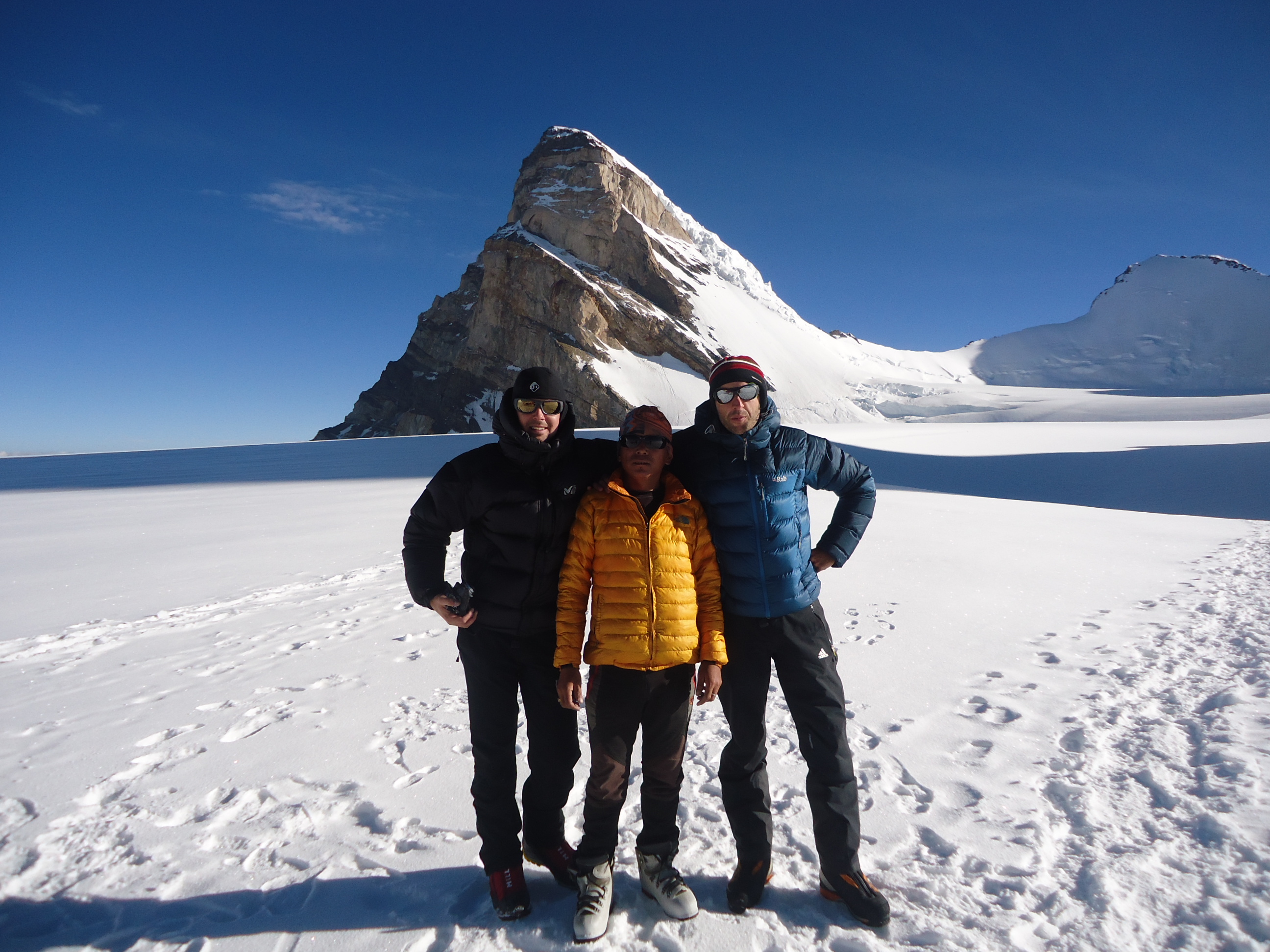
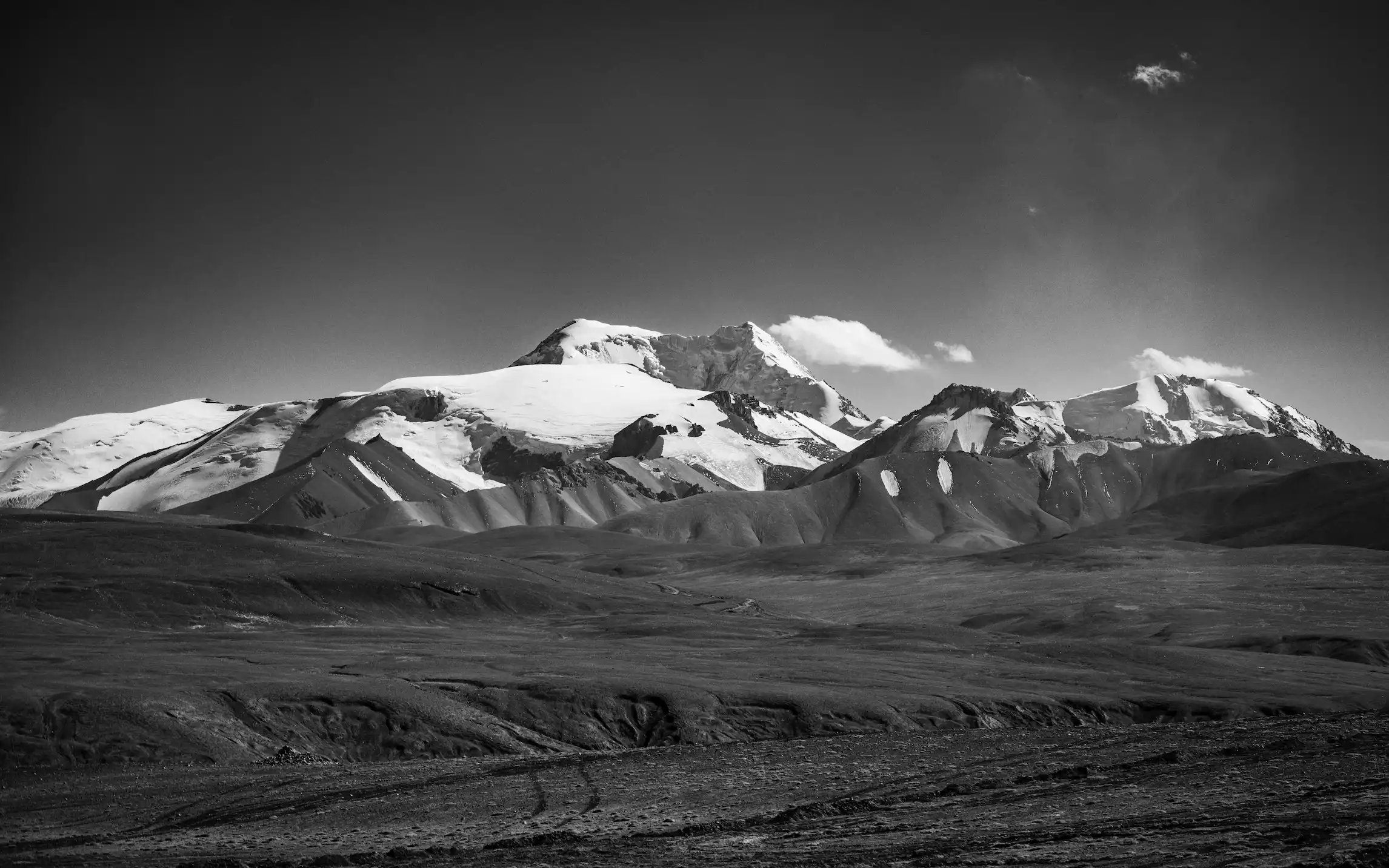
Kun Peak, rising to 7,077 metres in the majestic Nun Kun Massif of the Suru Valley in Ladakh, is one of the finest and most rewarding 7,000-metre peaks in the Indian Himalayas. Though slightly lower than its famous neighbour Nun Peak, Kun offers a classic high-altitude mountaineering experience characterised by vast glaciers, steep snow slopes, exposed ridges, and spectacular alpine terrain. It is an ideal objective for experienced climbers looking to test their skills on a serious 7,000-metre peak while preparing for even higher Himalayan or international expeditions.
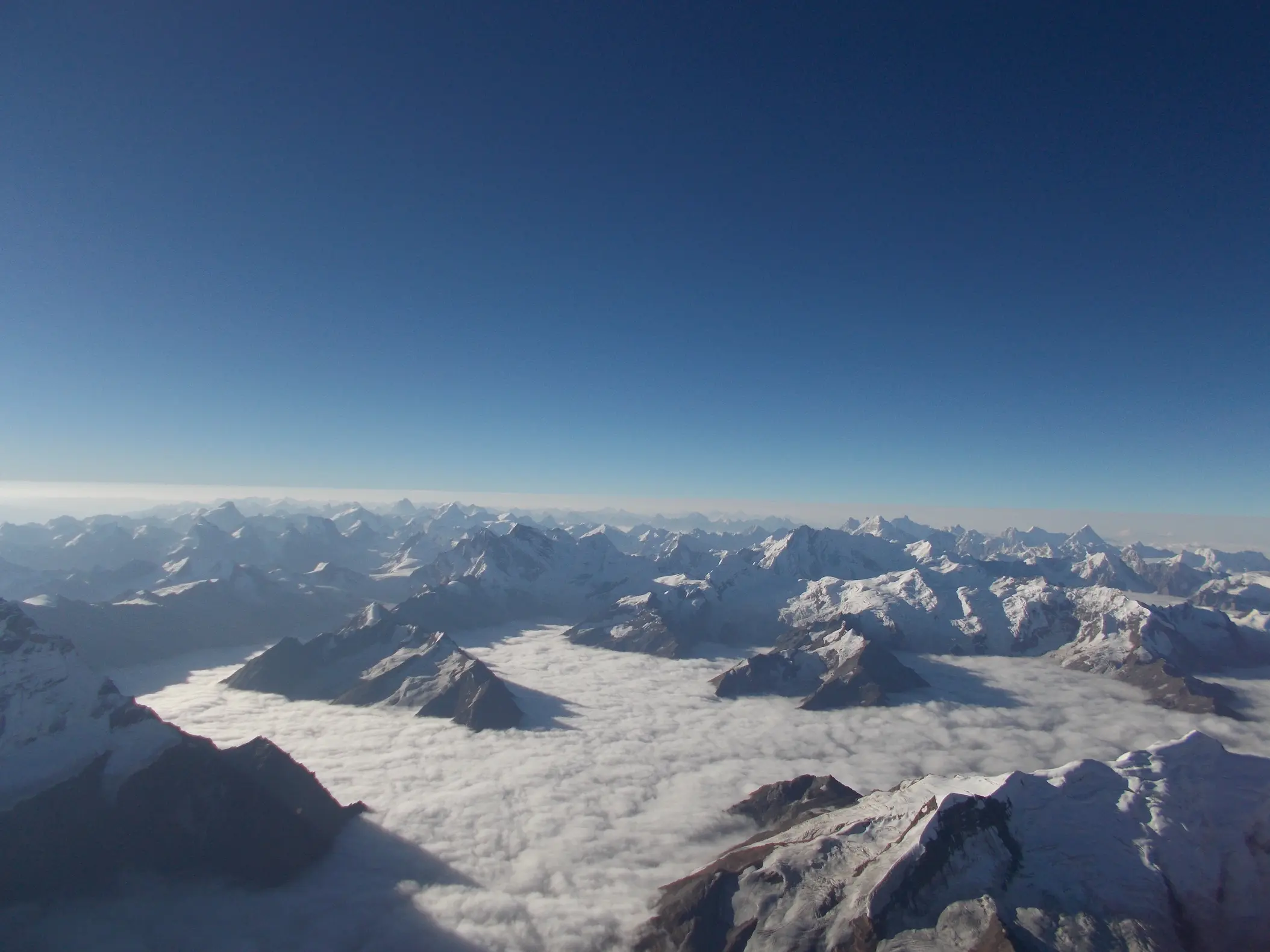
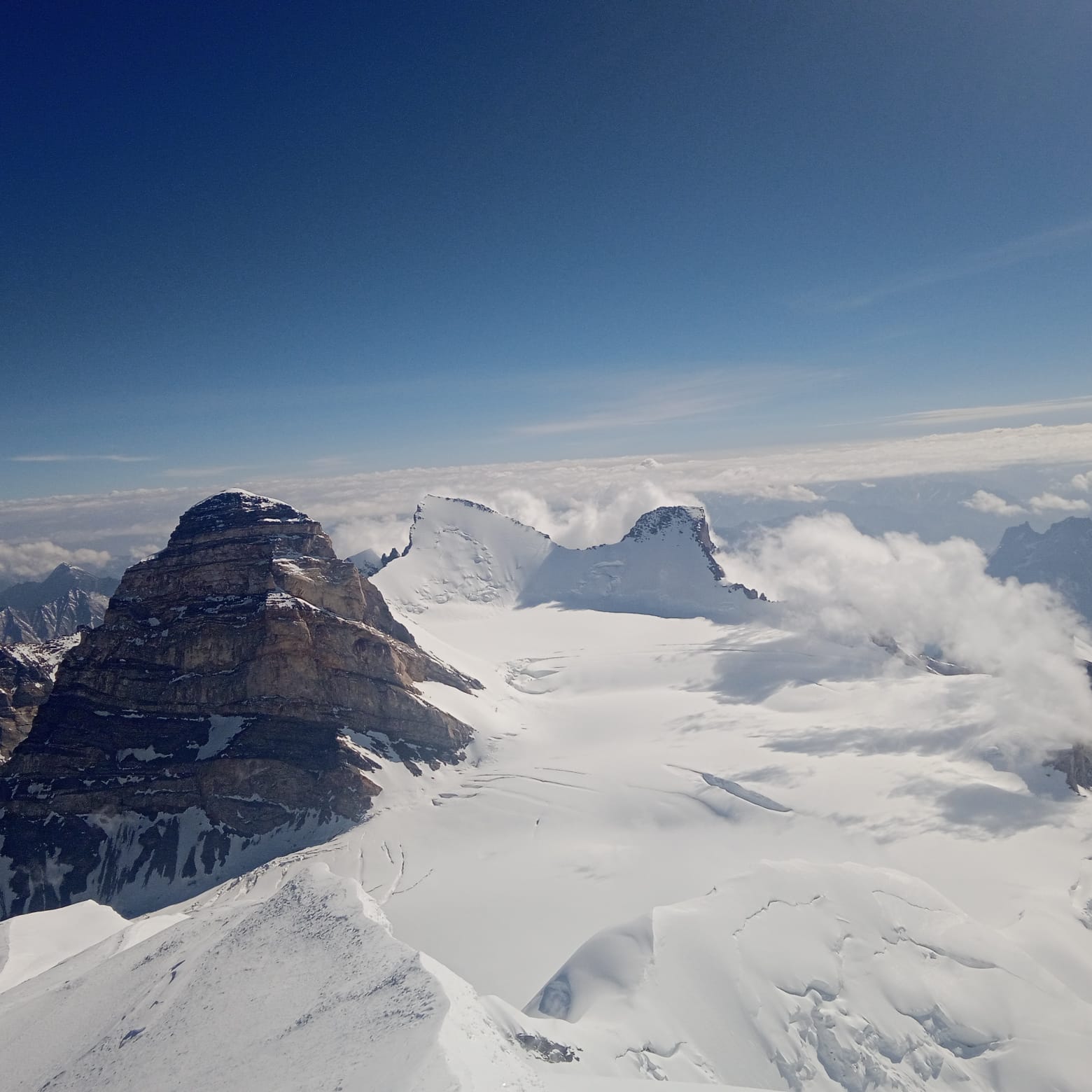
The mountain combines challenging technical sections with excellent acclimatisation opportunities, making it a perfect balance of endurance, glacier travel, and alpine climbing. From the summit, climbers are rewarded with one of the most breathtaking panoramas in the Indian Himalaya a sweeping 360-degree view that encompasses the entire Nun Kun Massif, the Zanskar Range, the Great Himalayan Range, the distant peaks of the Saser Range, and the majestic Nanga Parbat, standing prominently on the horizon.
This expedition follows a well-established route with multiple camps, allowing gradual and safe acclimatisation. Supported by experienced trained guides and a professional team, the Kun Peak Expedition provides a safe, memorable, and professionally managed adventure in one of the most beautiful and remote mountain regions of India.
Trip at a Glance
Key details for this adventure
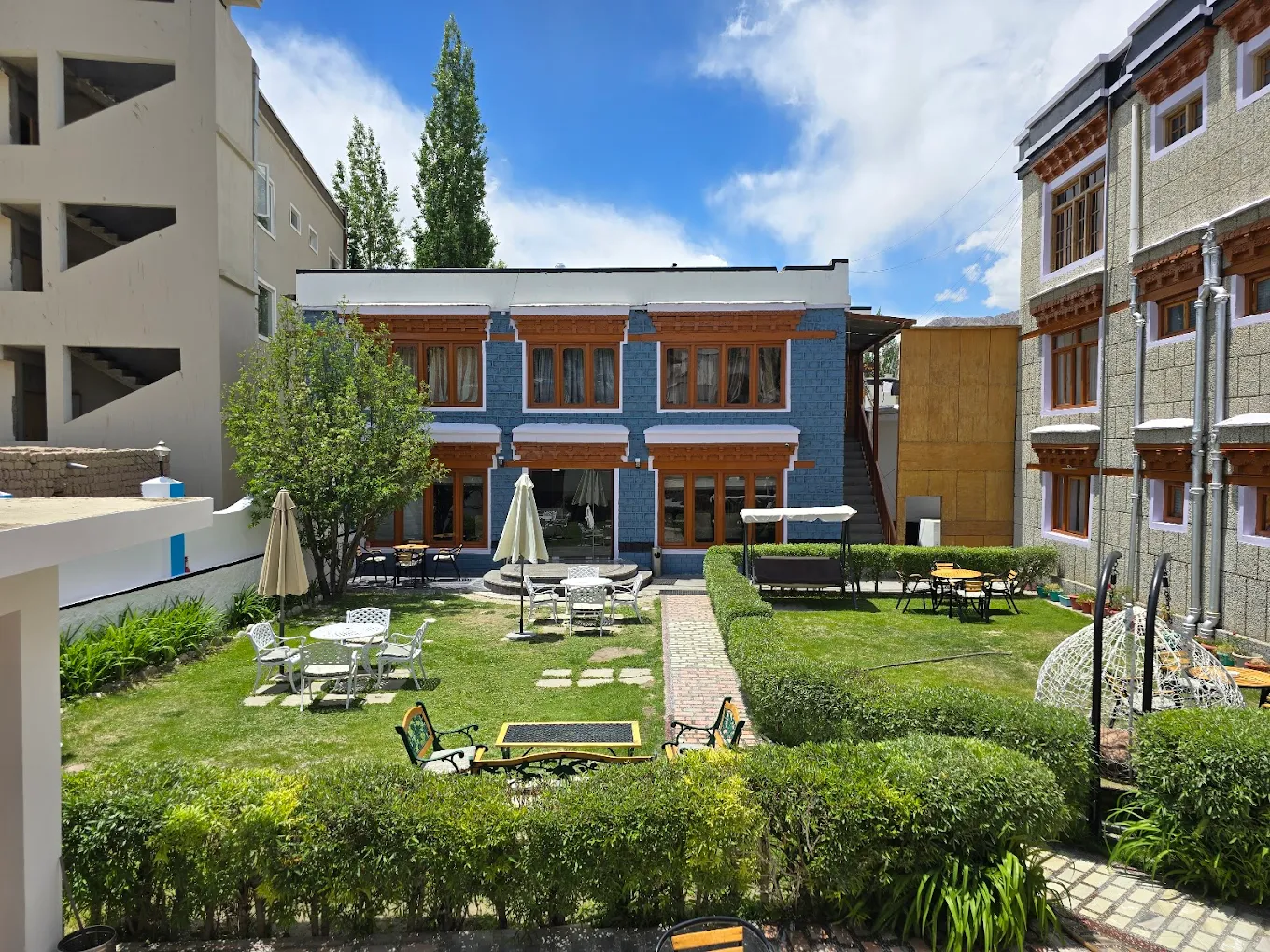
Welcome to Leh, the high-altitude capital of Ladakh and the gateway to your Kun Peak expedition. Upon landing at Kushok Bakula Rimpochee Airport, our representative will warmly receive you and transfer you to your comfortable hotel (just 5 km / 15–20 minutes away). At 3,500 metres, altitude acclimatisation begins immediately. Spend the first few hours resting, hydrating generously, and allowing your body to adjust to the thin air. Avoid strenuous activity. In the evening, your expedition leader will hold a comprehensive briefing covering the full route, weather patterns, safety protocols, risk management, team roles, and the detailed daily schedule. All necessary permits, documentation, and insurance will be thoroughly checked and finalised. This day sets the foundation for a safe and successful expedition in the spectacular Nun Kun Massif.
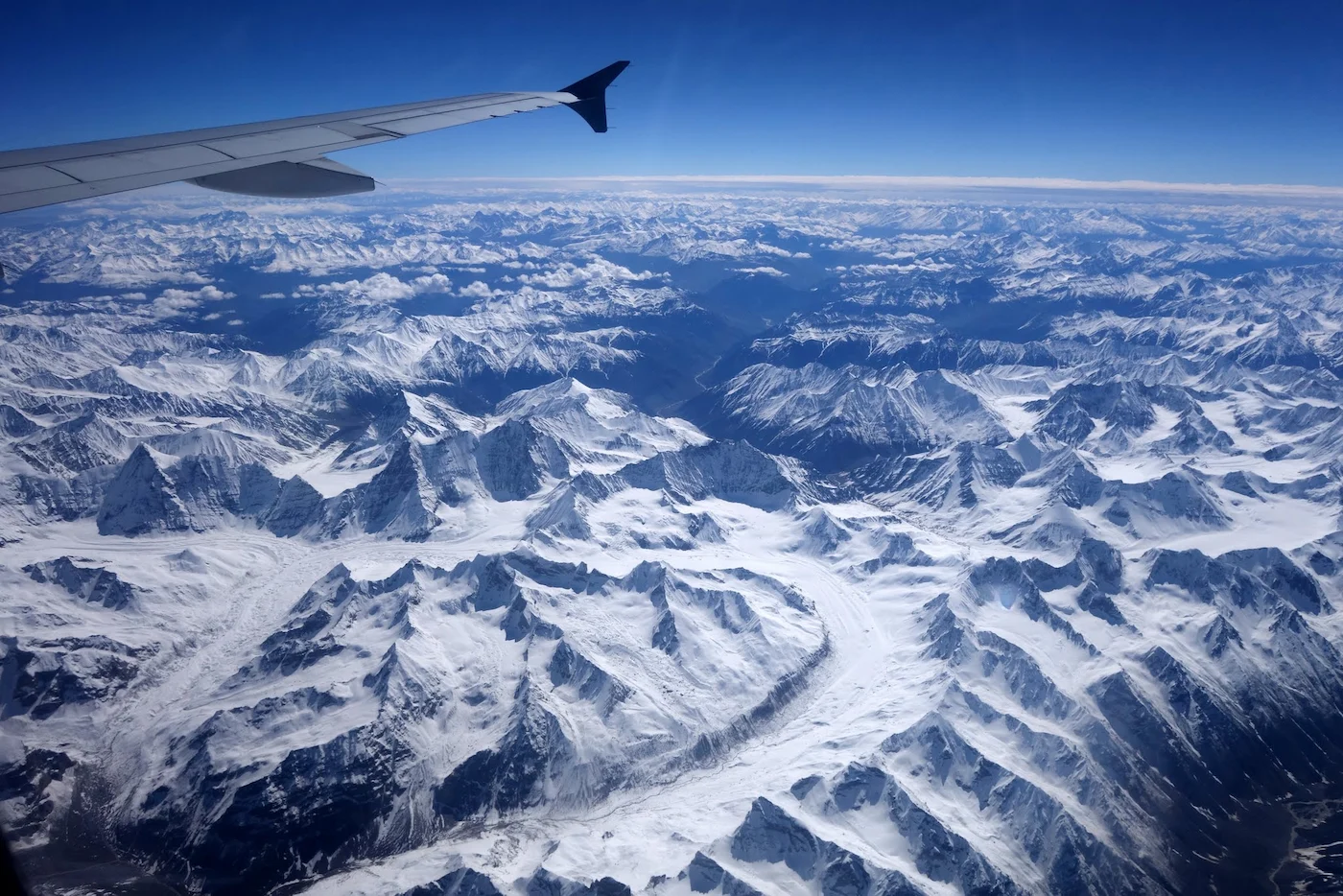
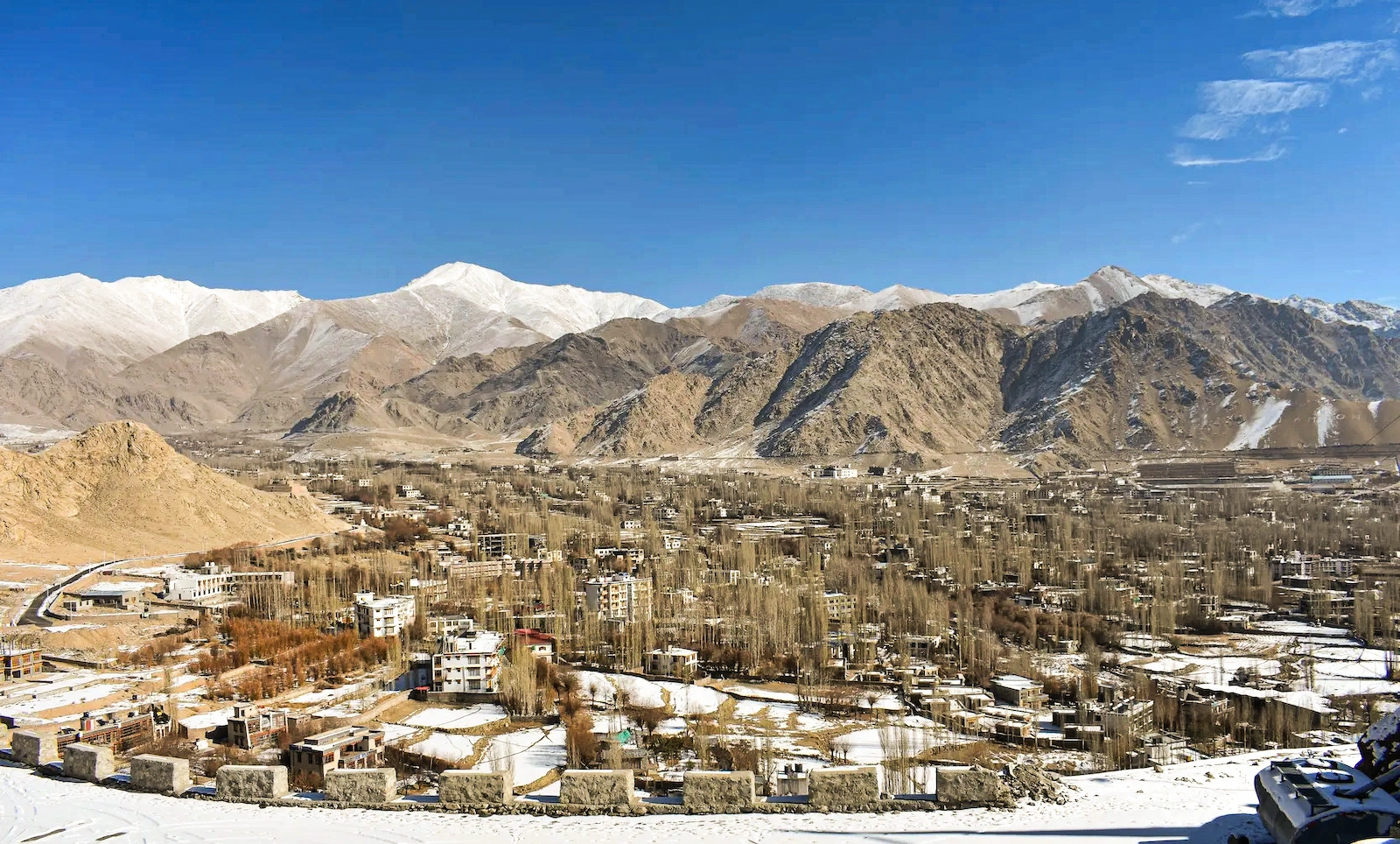
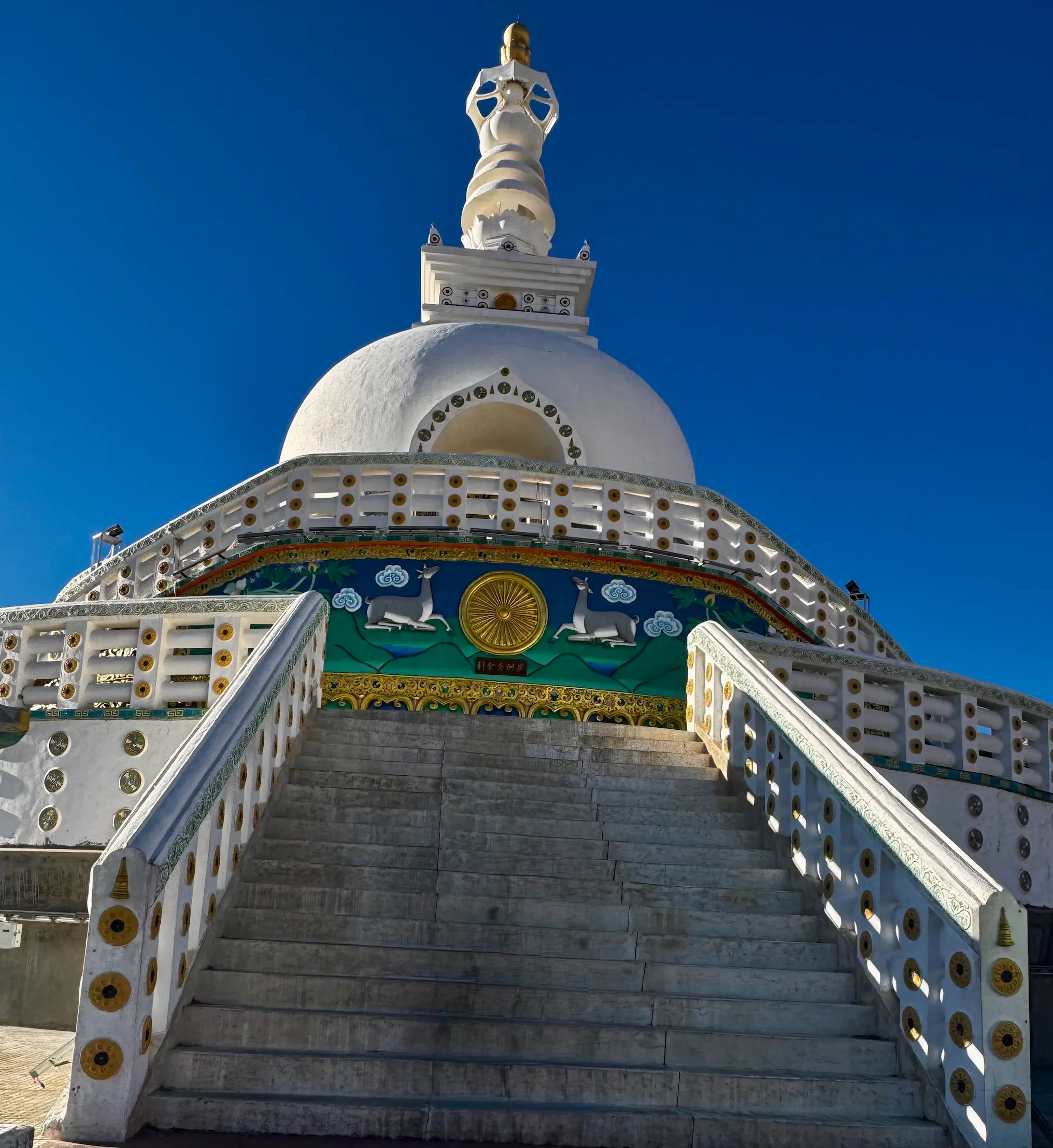
Today is dedicated entirely to acclimatisation and preparation. Explore Leh’s iconic landmarks such as Shanti Stupa (with panoramic views), the historic Leh Palace, and the bustling local market for last-minute purchases. Depending on conditions, we may visit Spituk or Thiksey Monastery. In the afternoon, experienced climbing guides will conduct a full technical equipment inspection checking crampons, ice axes, harnesses, helmets, fixed ropes, sleeping bags, down suits, and high-altitude gear. Any missing or unsuitable items can be rented or purchased locally in Leh. Light walking and hydration help your body adapt naturally while building team camaraderie.
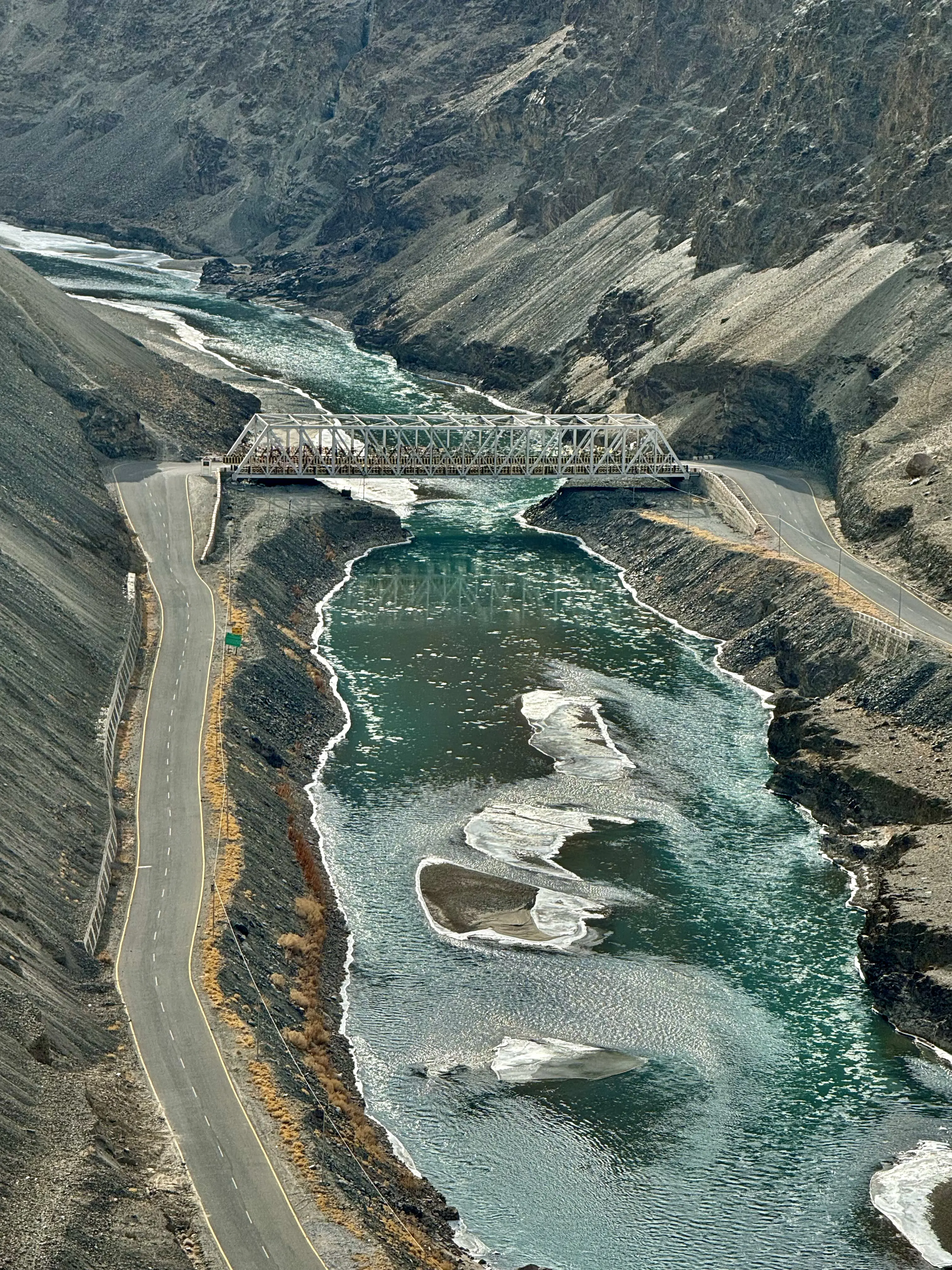
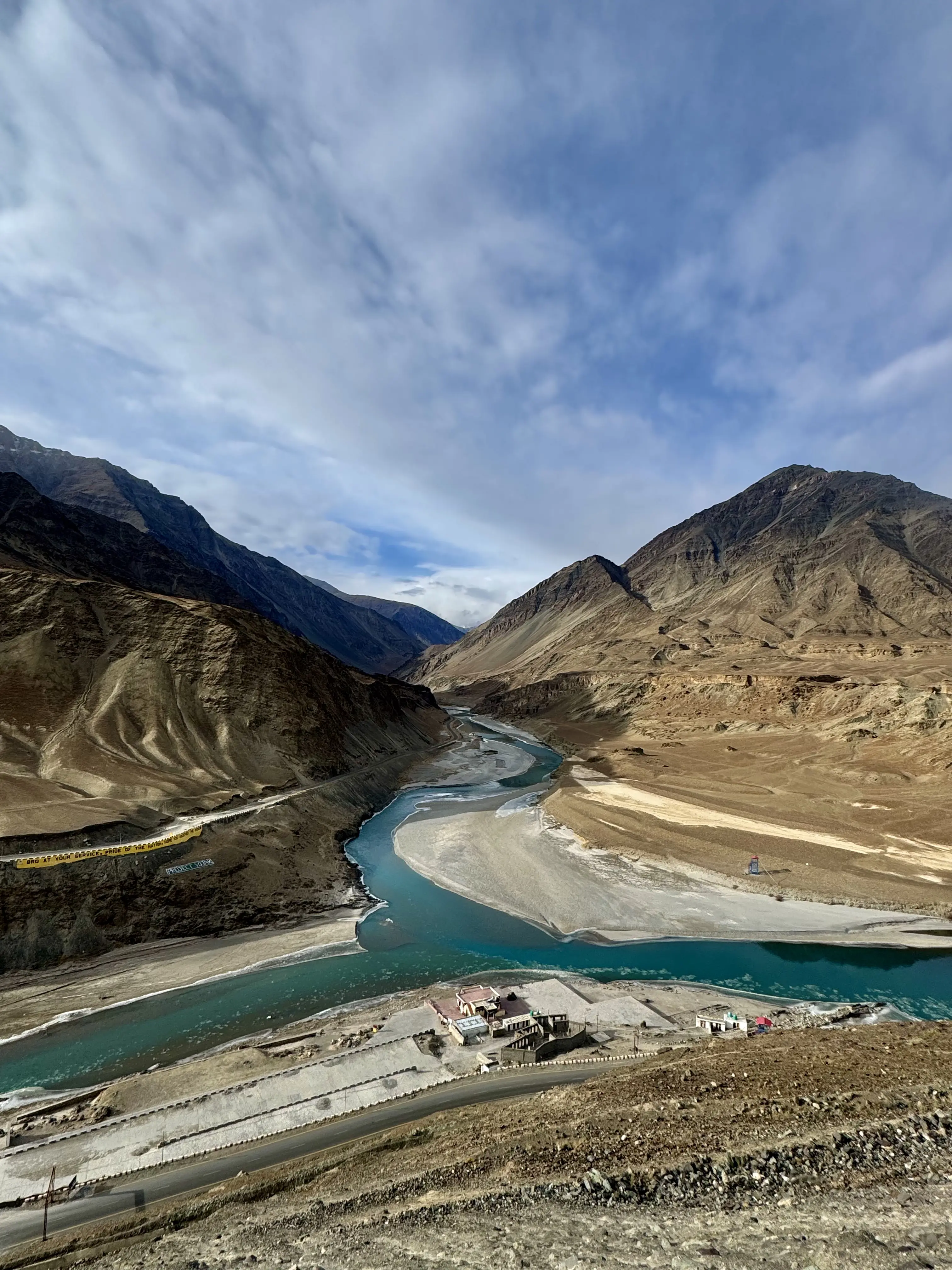
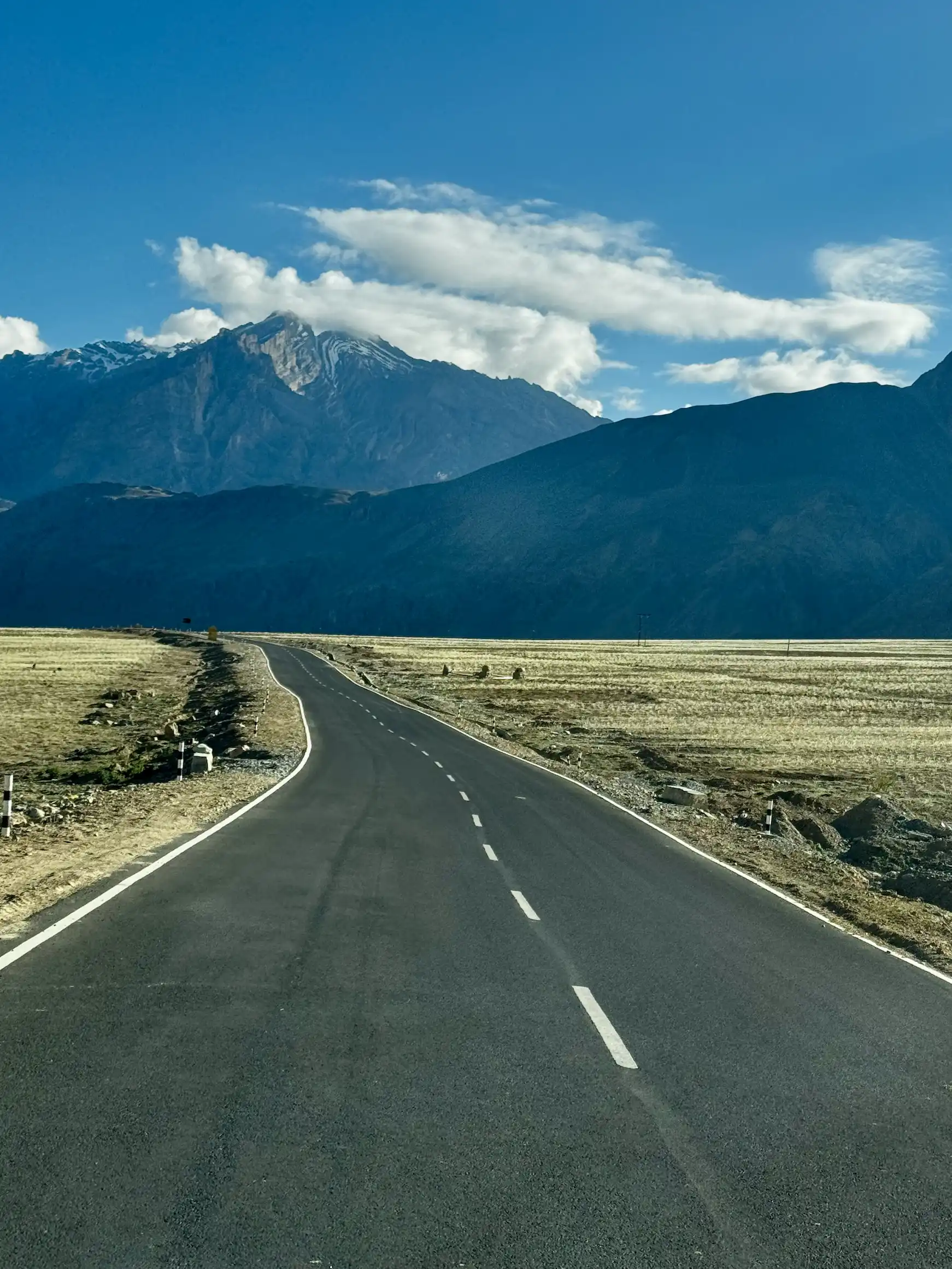
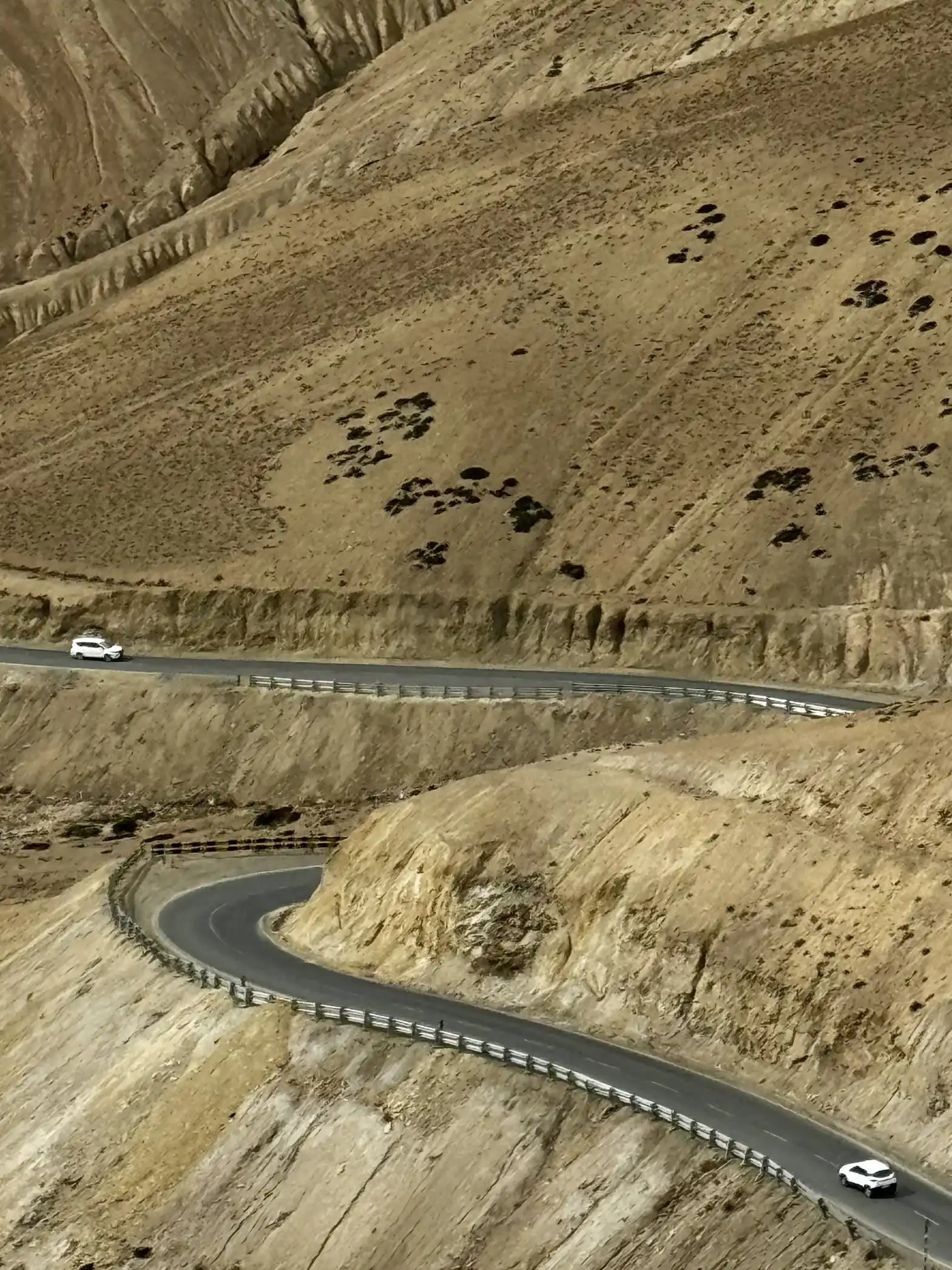
After breakfast, embark on an epic scenic drive through one of Ladakh’s most dramatic new routes to Zanskar’s Padum via Chilling and Nerak. The journey follows the turquoise Altitude: Up to 3,700 m at Shafat Nala
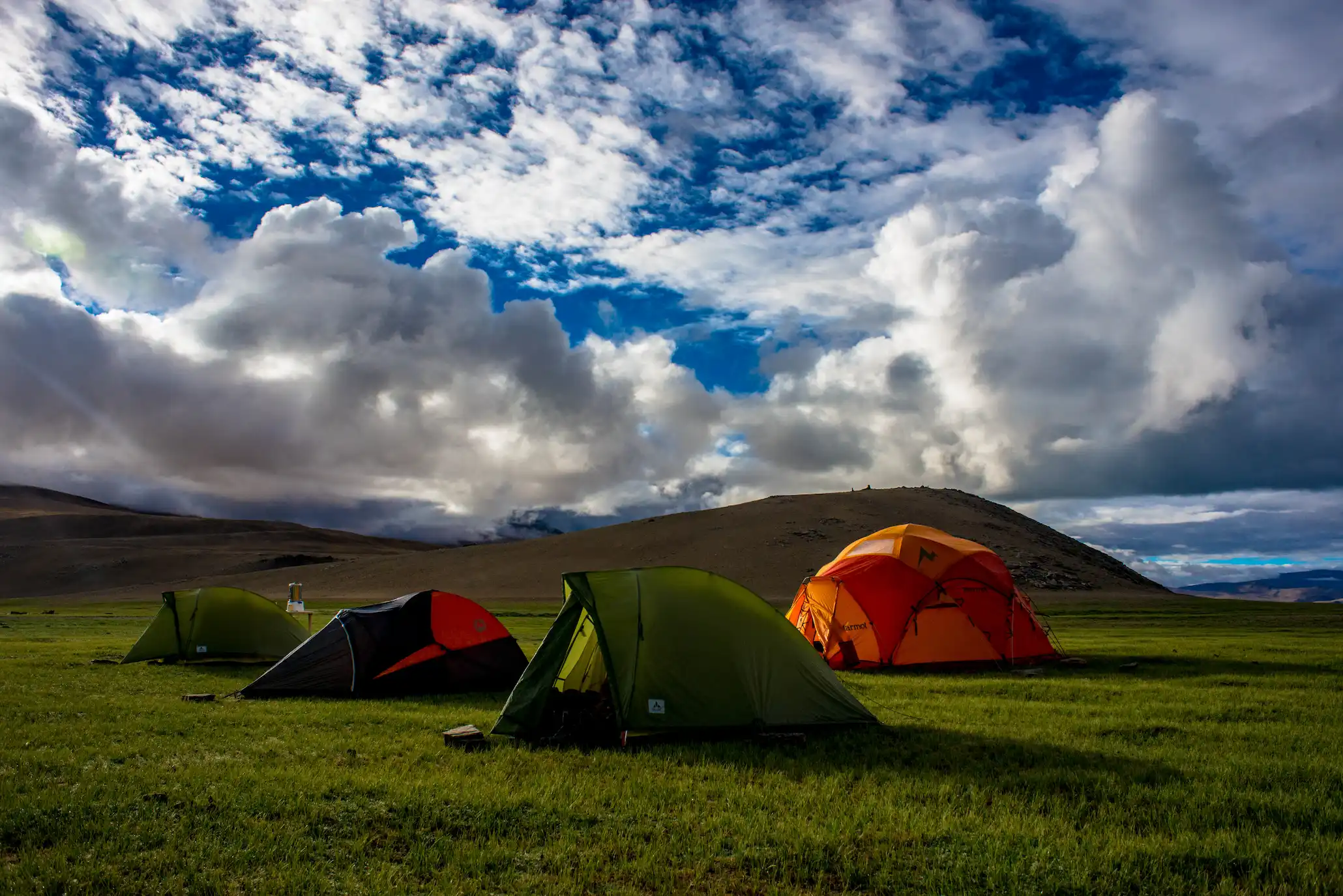
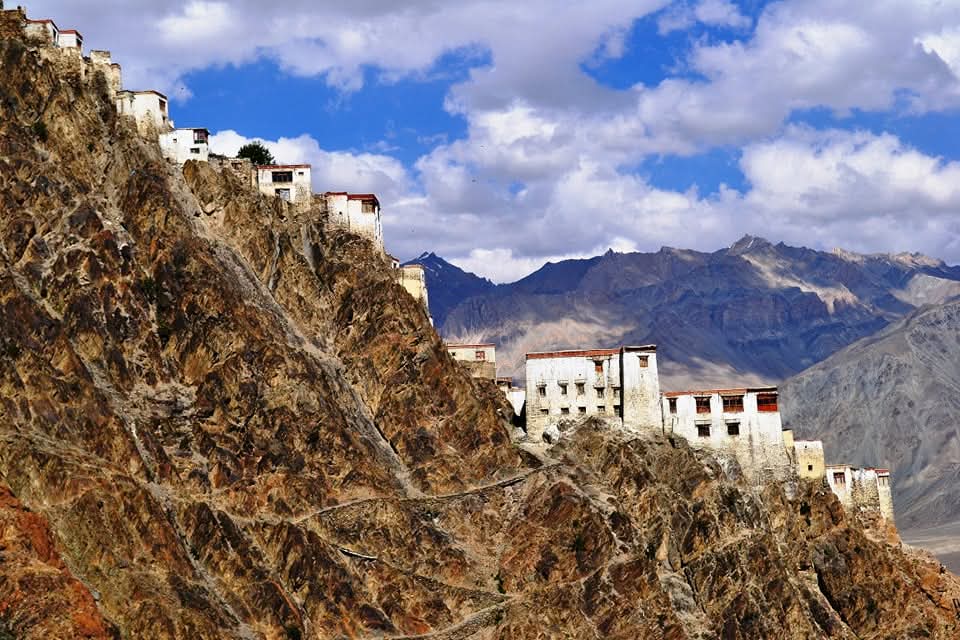
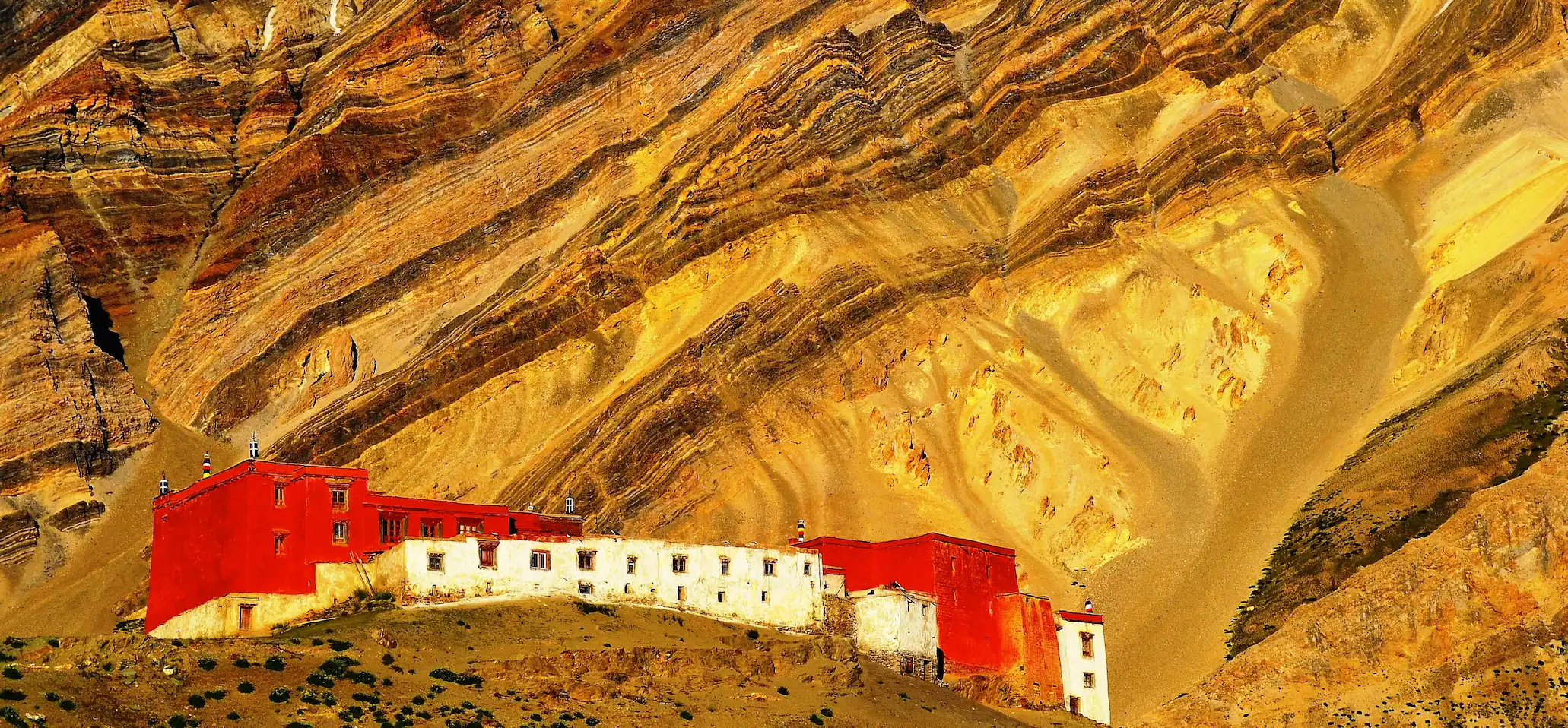
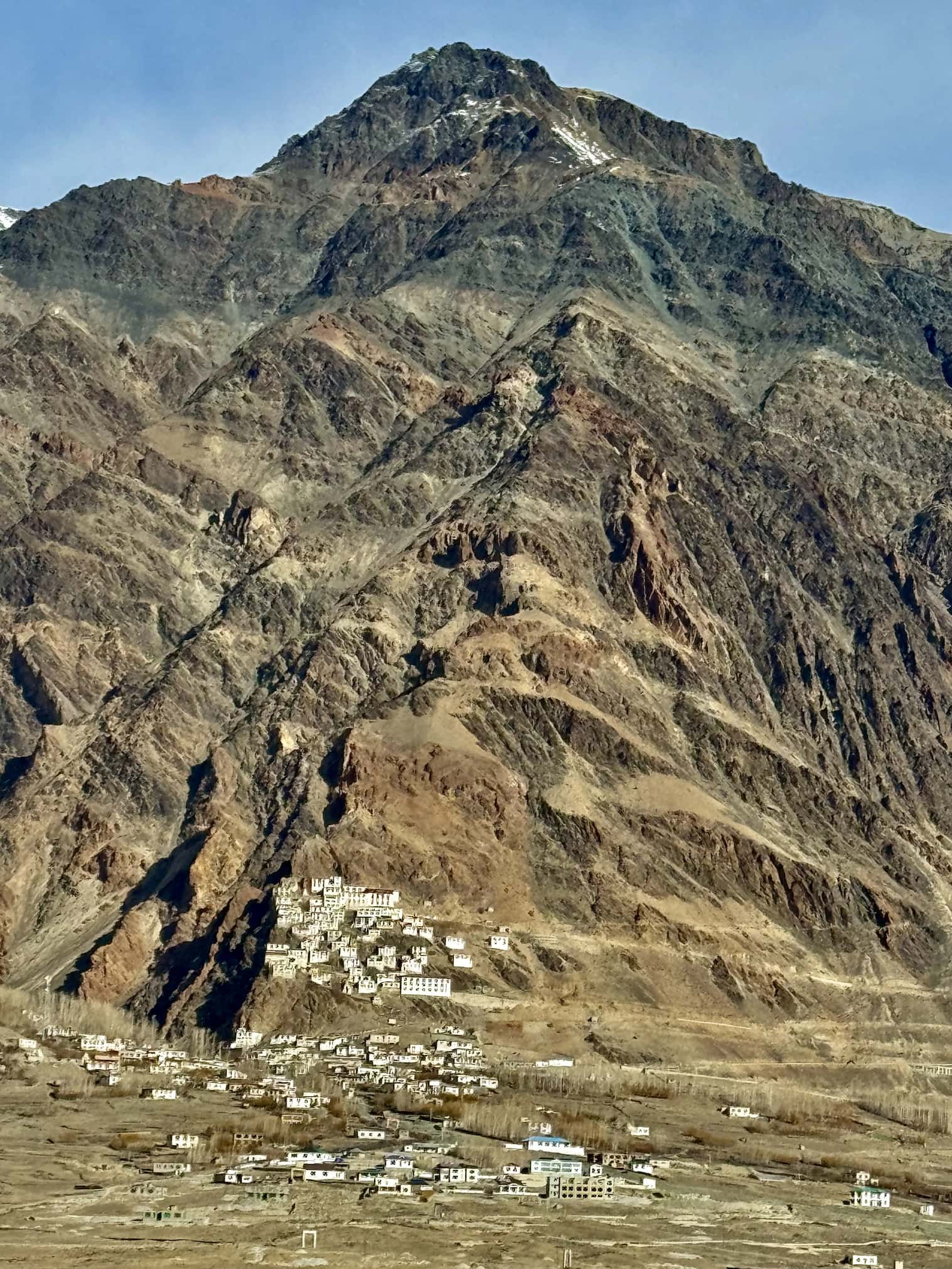
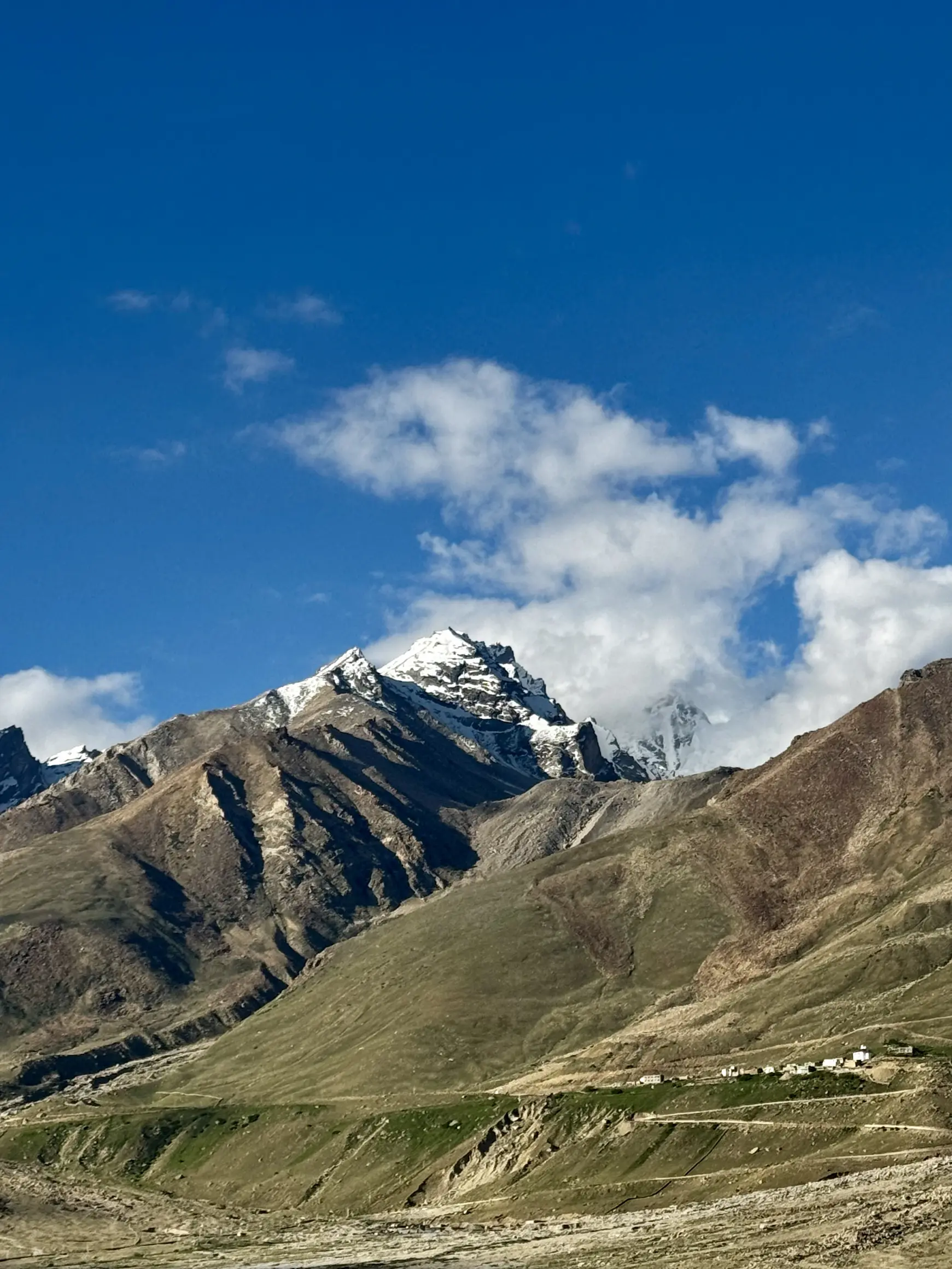
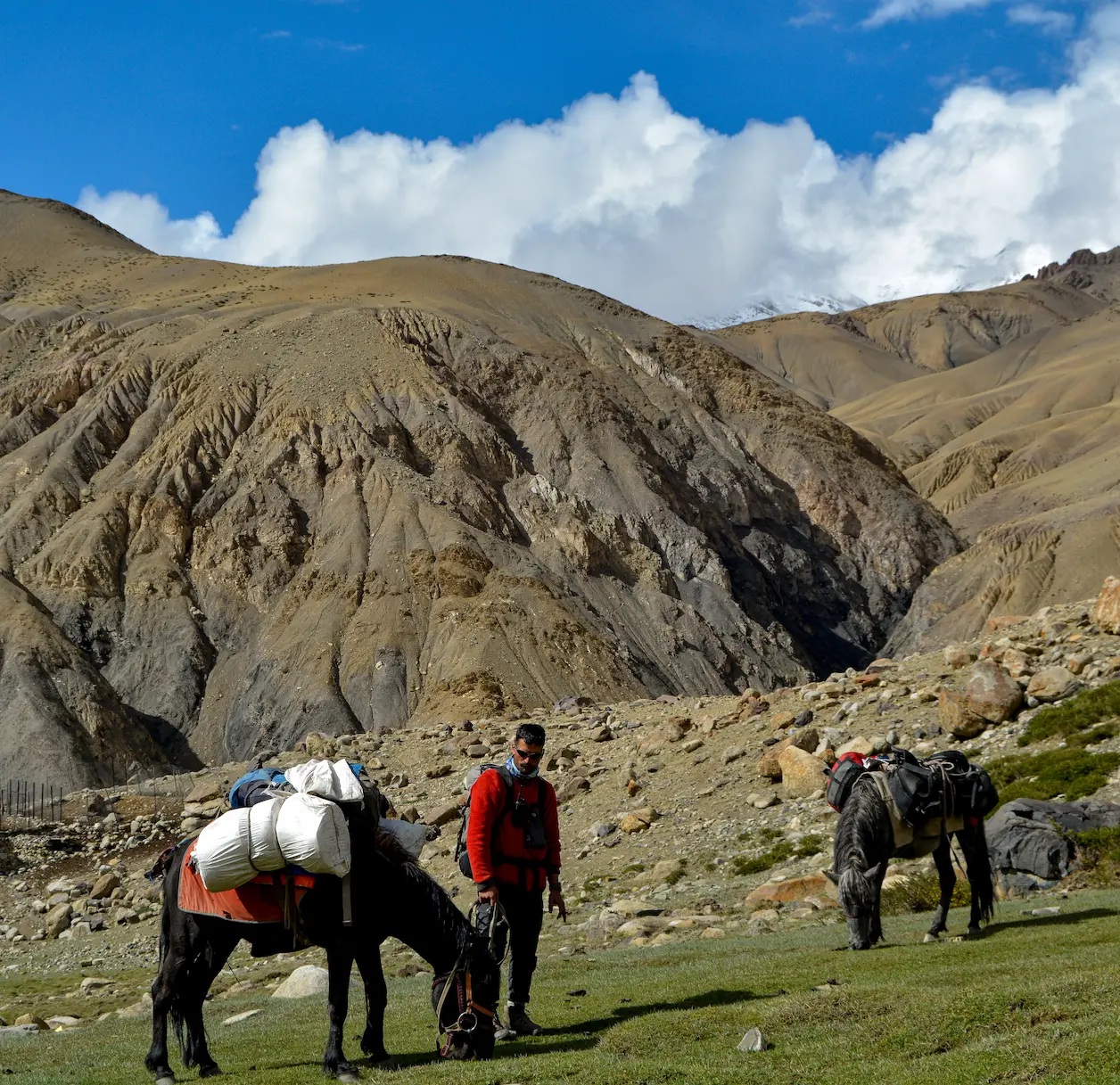
The expedition truly begins today. Depart Shafat Nala and follow a clear trail through lush alpine meadows used by local shepherds, gradually transitioning onto glacial moraine terrain. Magnificent views of Nun Peak, Kun Peak, Pinnacle Peak, and surrounding glaciers unfold throughout the day. The steady altitude gain allows continued acclimatisation while carrying only light day packs. Our support staff and pack animals transport all heavy expedition gear. Arrive at the well-established Base Camp nestled beneath the imposing Nun Kun Massif. Enjoy hot drinks and a comfortable campsite setup.
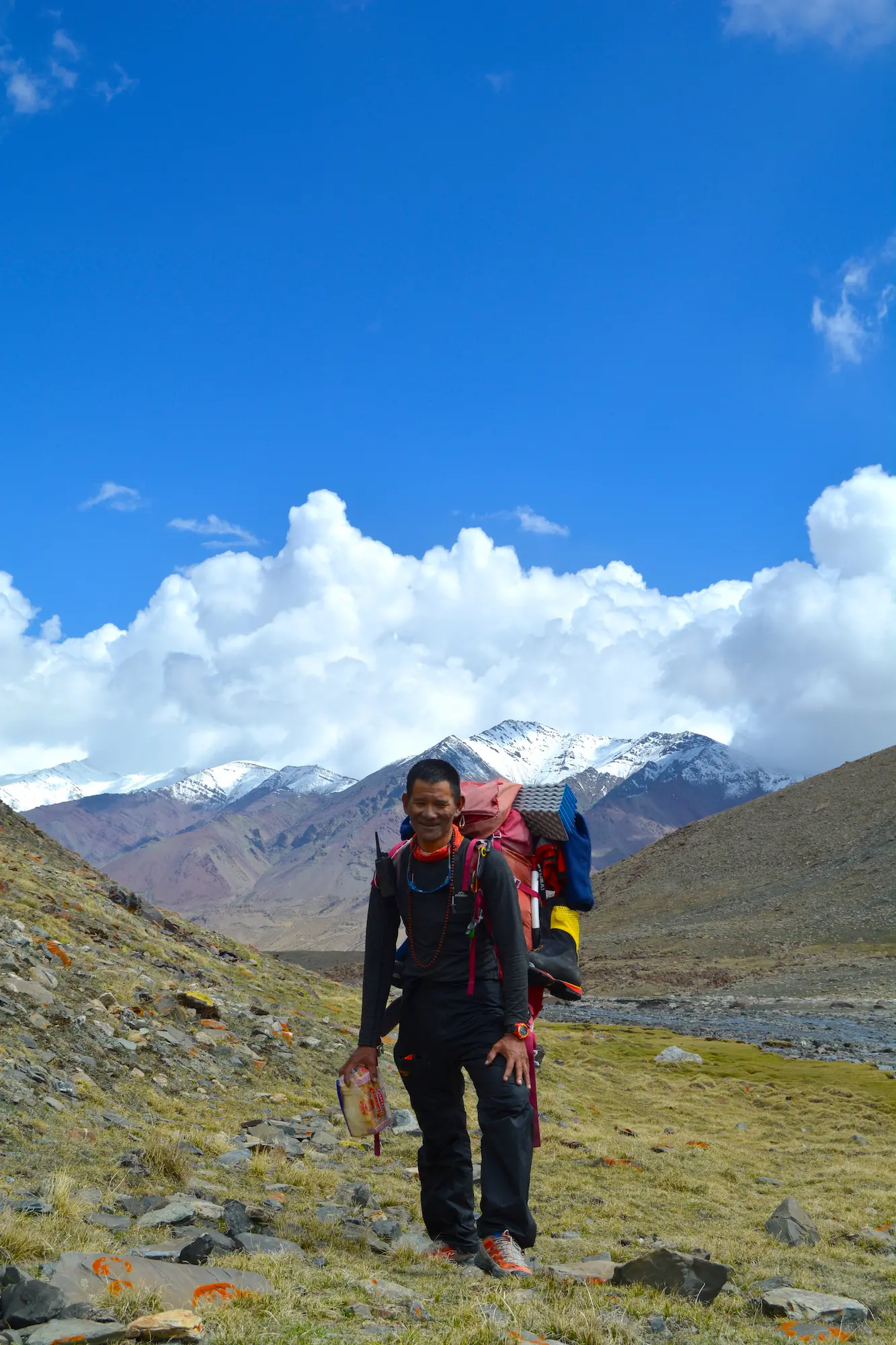
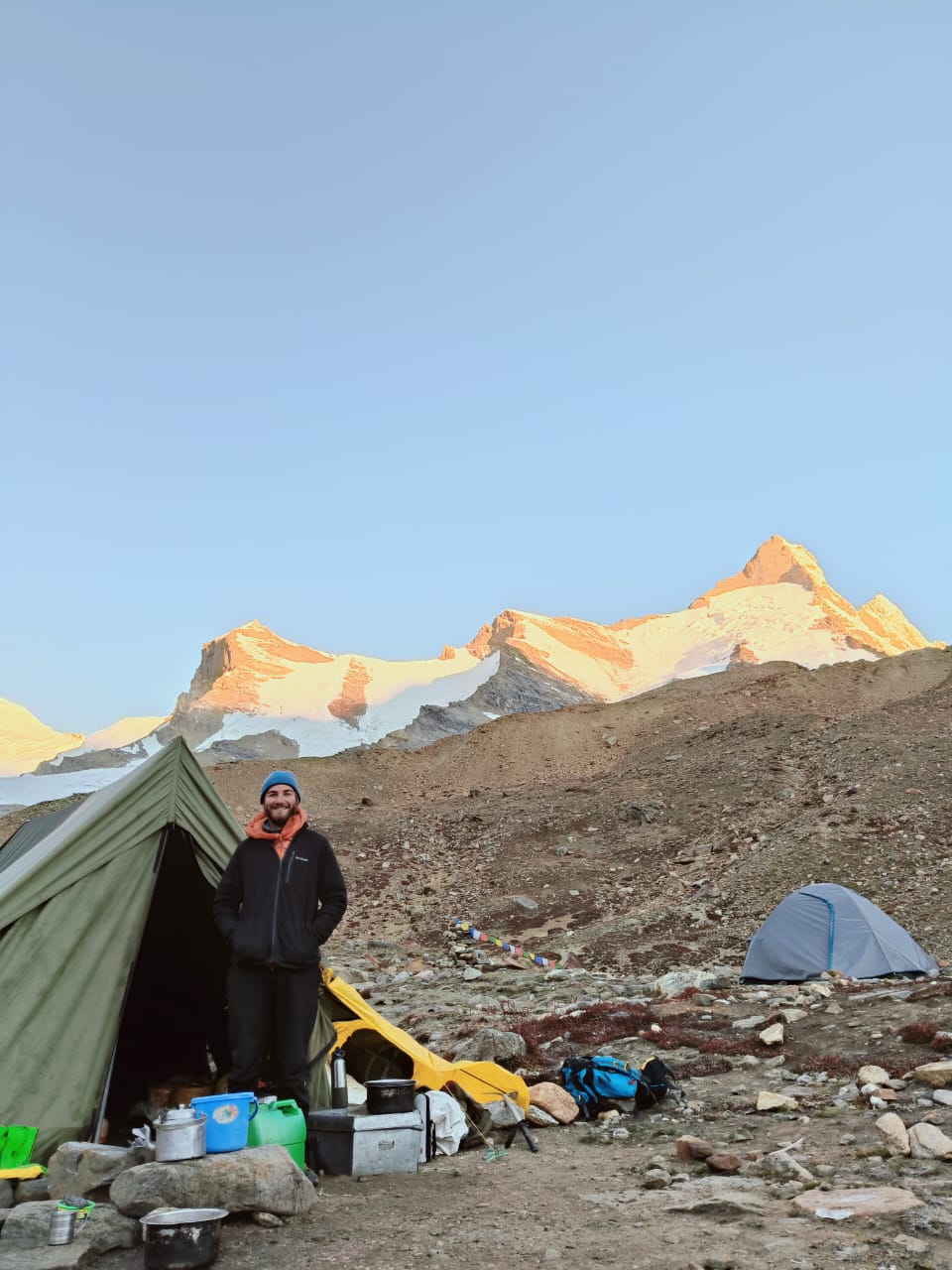
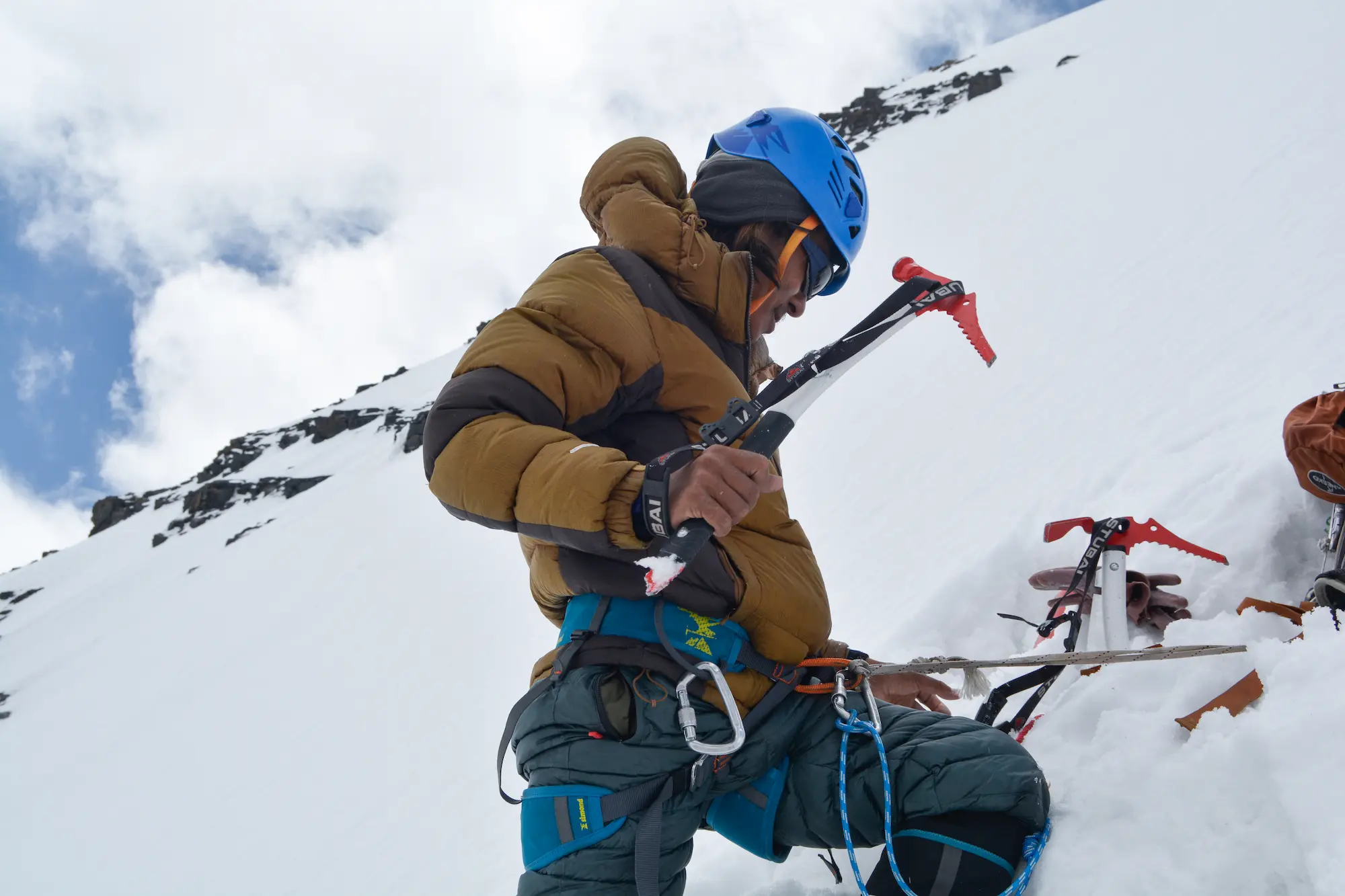
Proper preparation is key to success. After breakfast, professional trained guides/sherpa lead comprehensive practical training sessions on glacier travel, rope techniques, crampon walking, ice axe arrest, self-arrest, fixed rope handling, and basic crevasse rescue. These sessions refresh essential skills even for experienced climbers. The afternoon is for resting, hydrating, personal equipment checks, and final load preparation for higher camps. Medical monitoring of oxygen saturation and overall fitness continues.
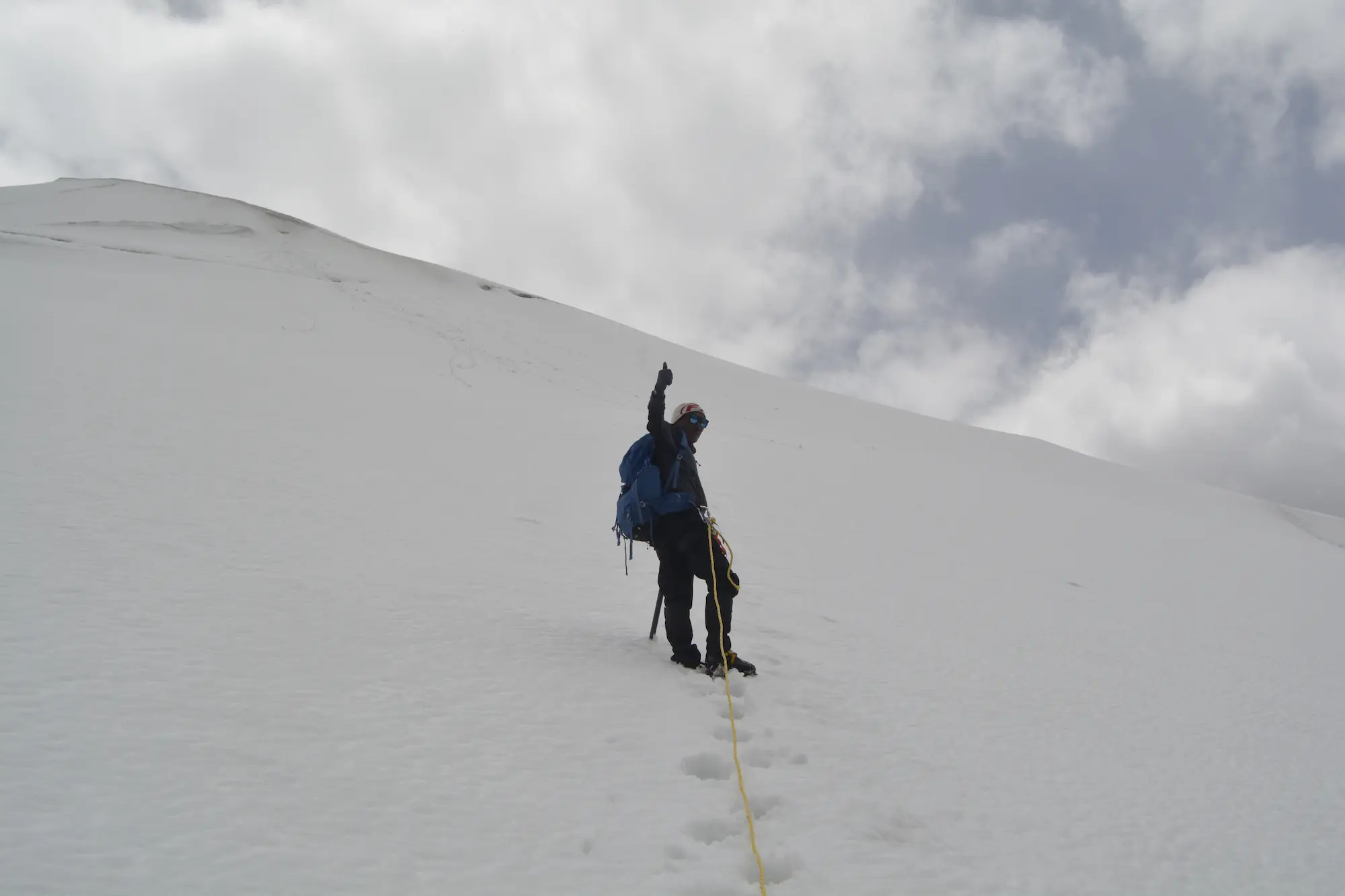
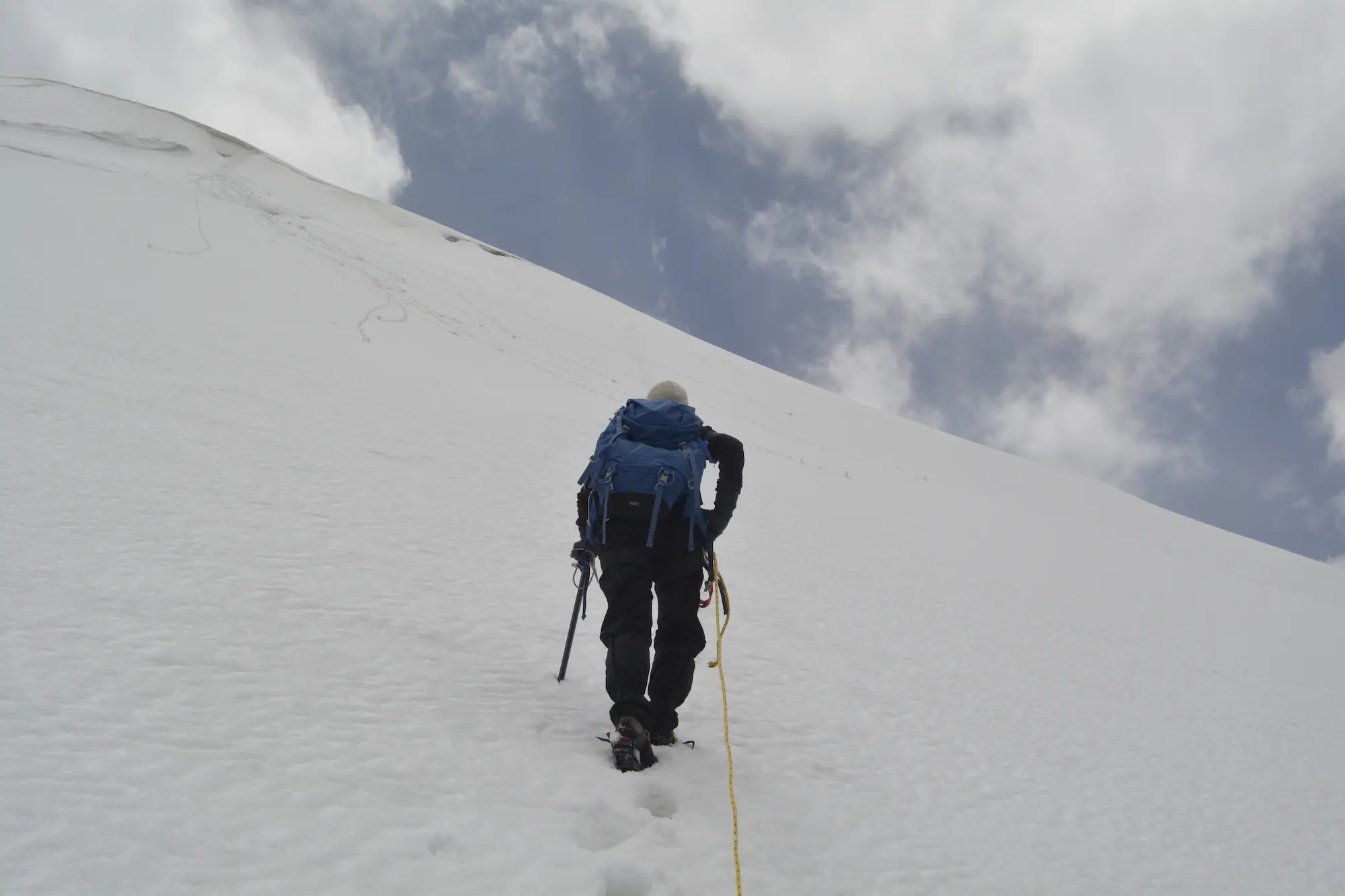
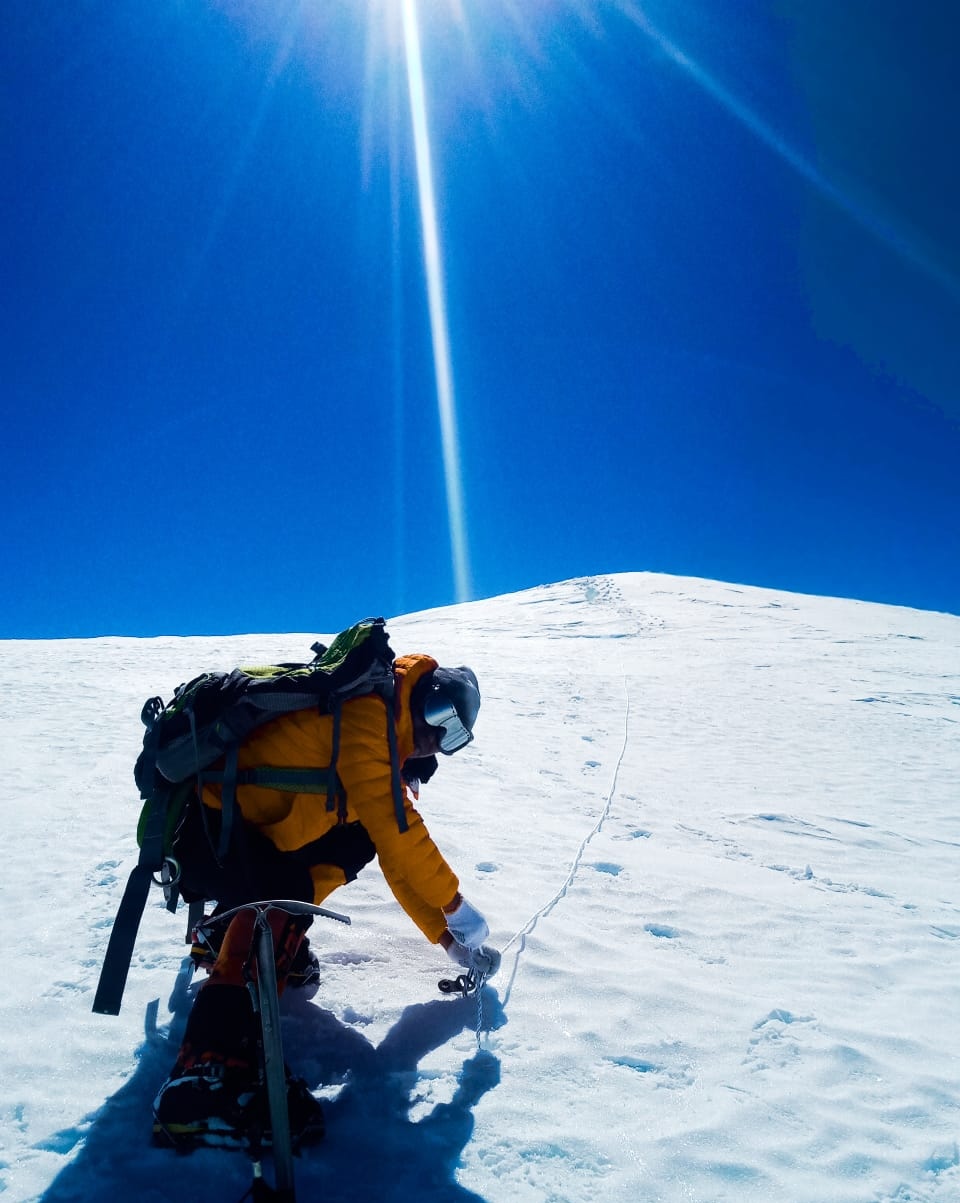
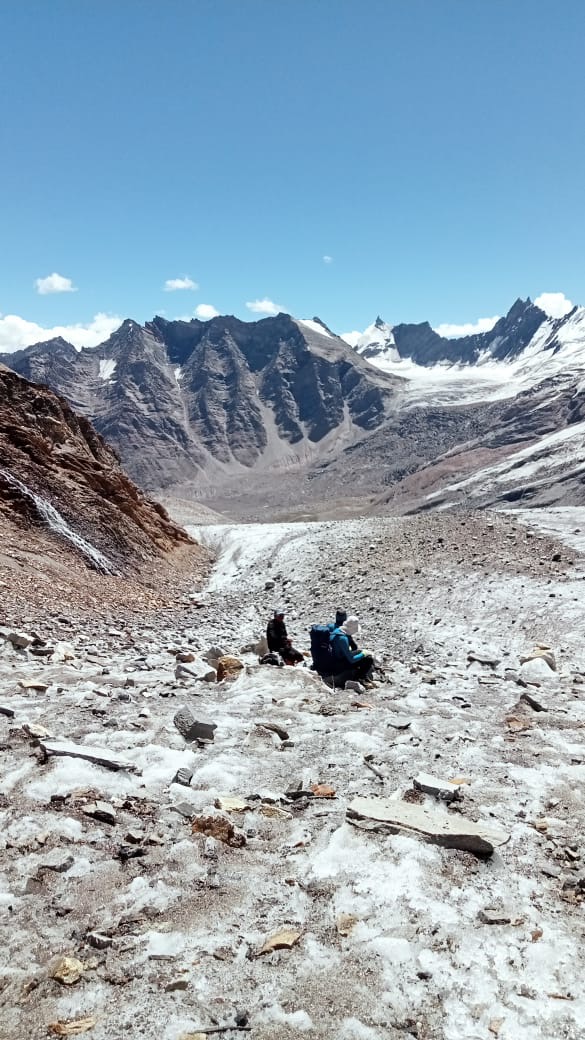
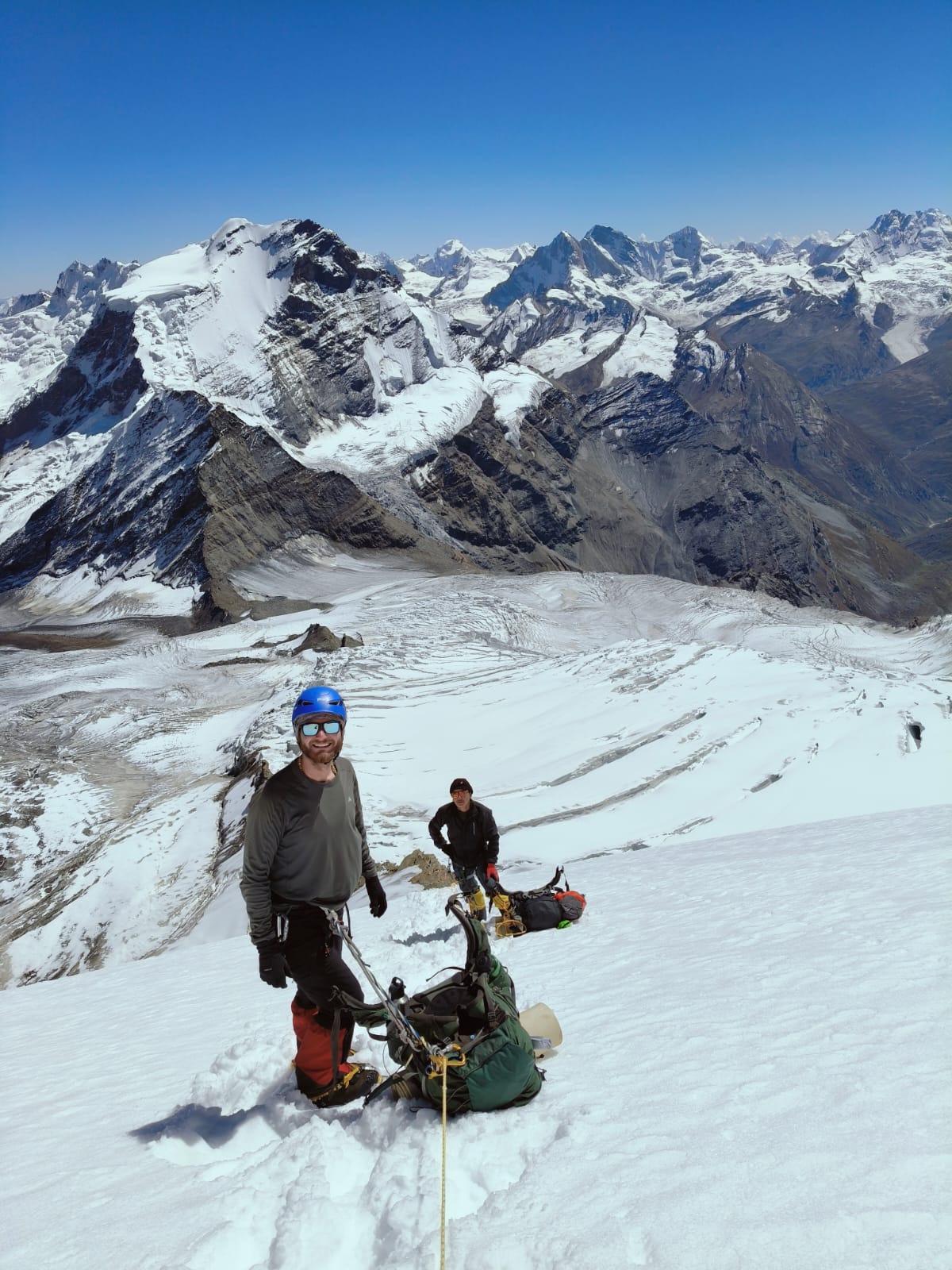
Carry light loads and trek onto the glacier toward camp 1 at 5,300 m. The route involves rocky moraine, snow patches, and easy glacier navigation (crampons may be used depending on conditions). This rotation helps your body adapt to higher altitude while familiarising the team with the terrain. Spend time at camp 1 before descending back to Base Camp for better recovery and continued acclimatisation.
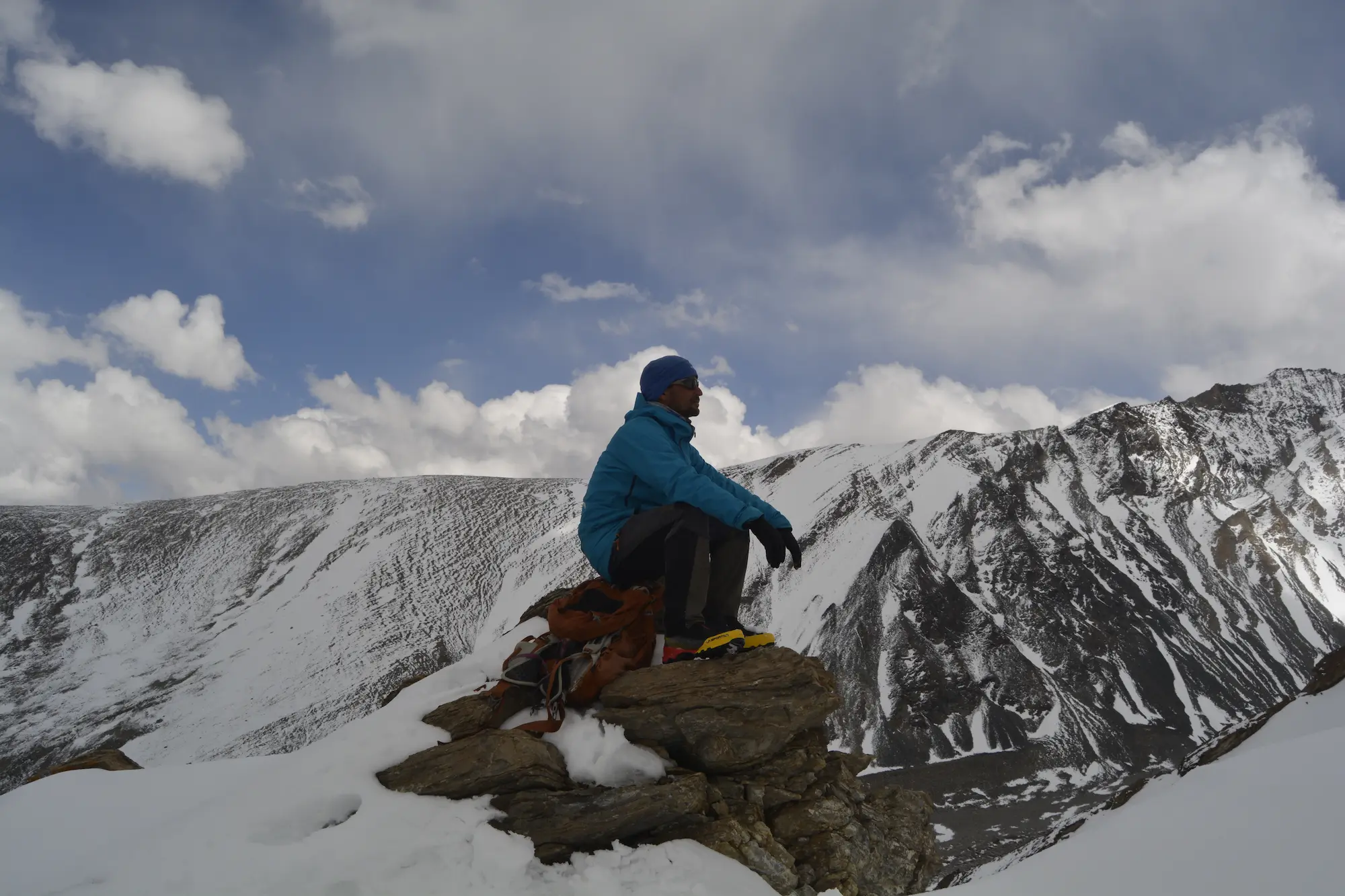
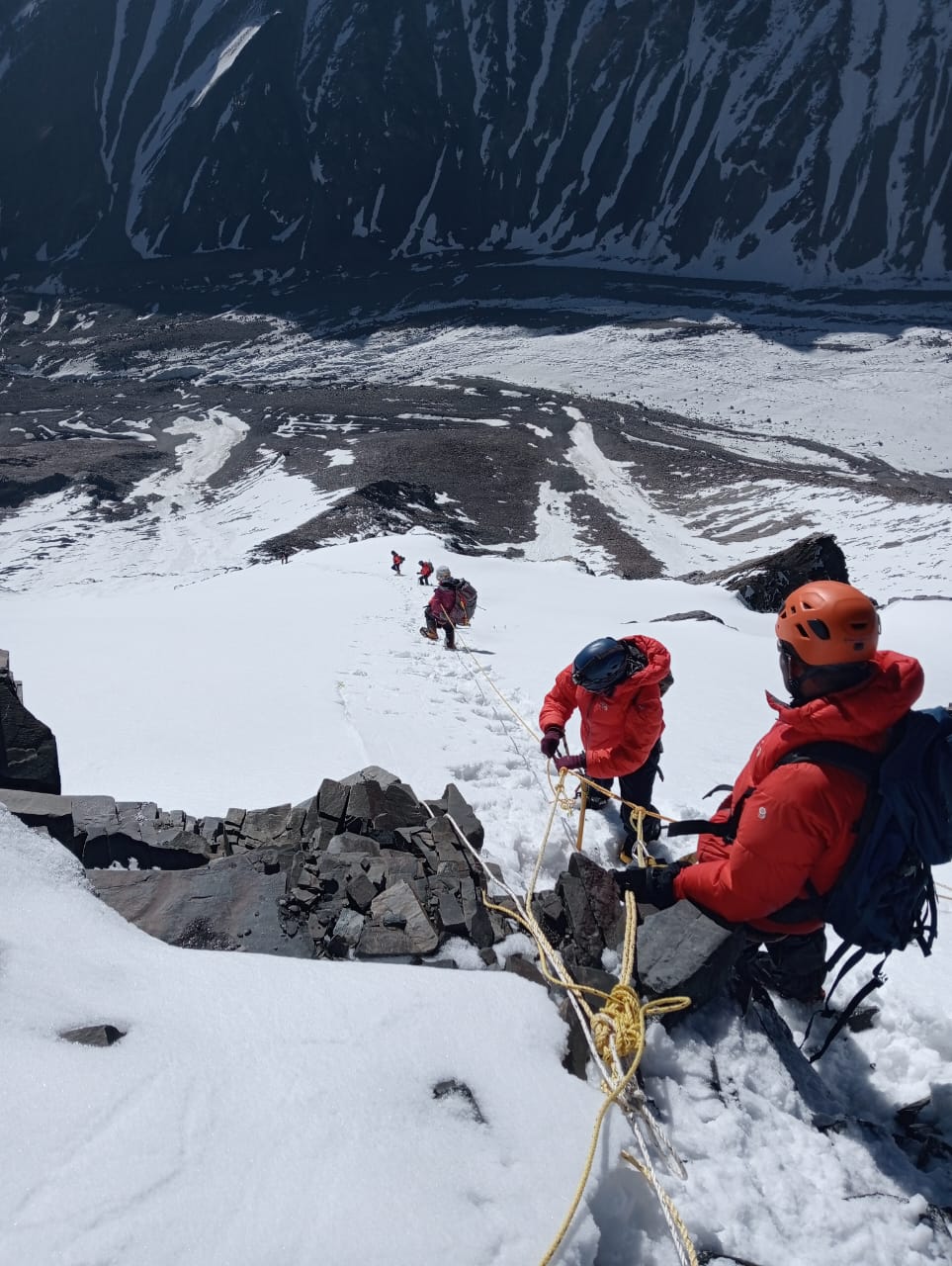
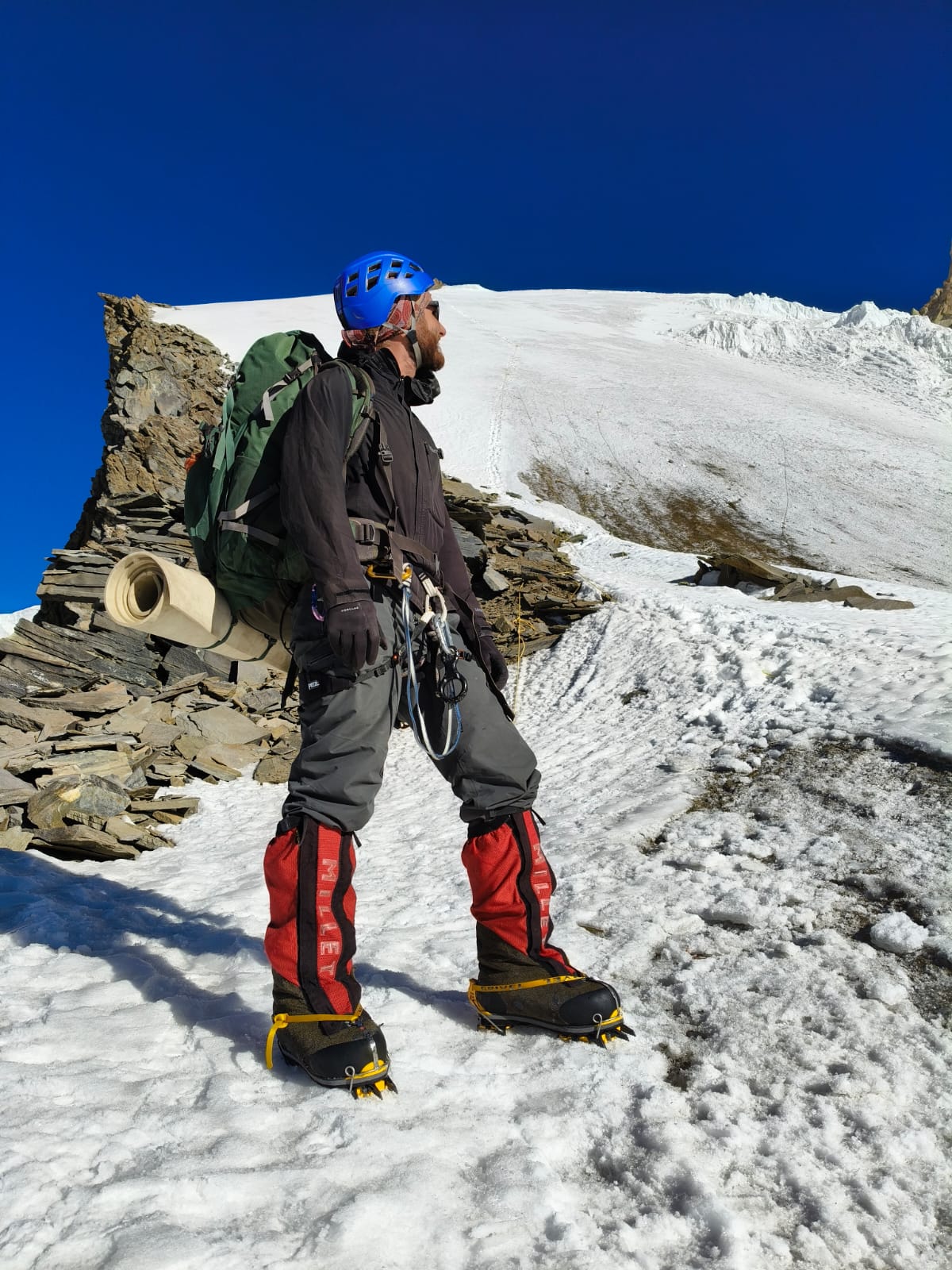
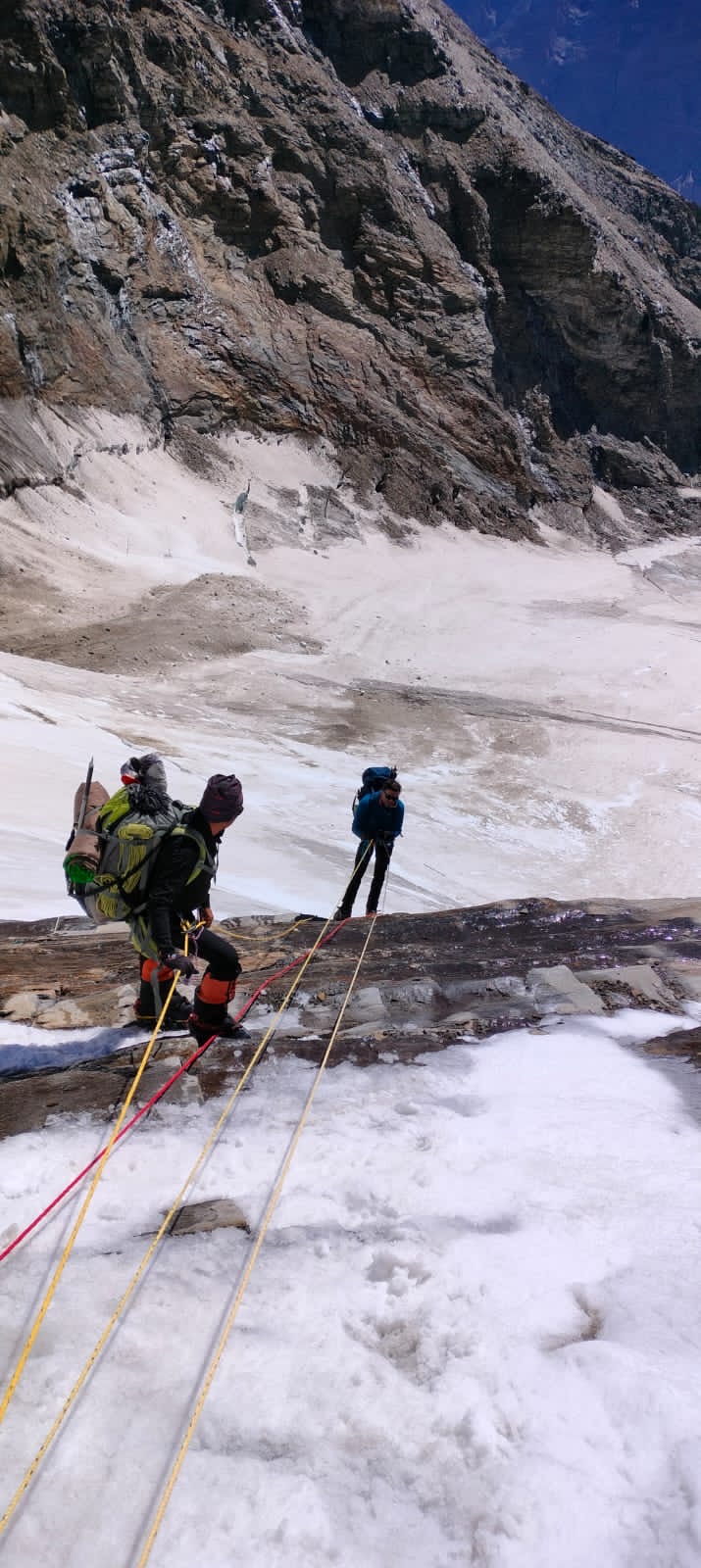
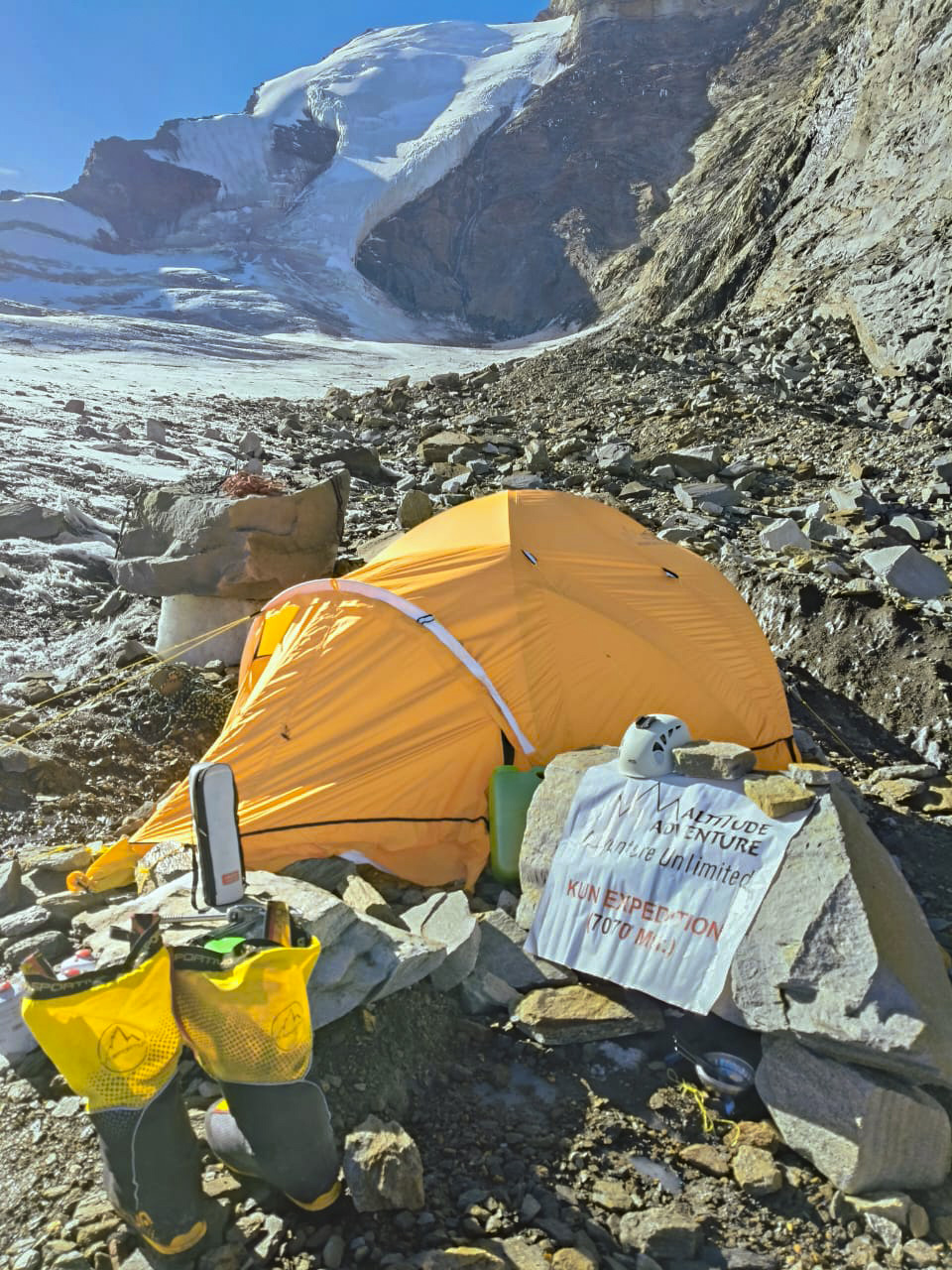
After breakfast, depart Base Camp with personal gear (support team carries group equipment). Cross the glacier carefully, using crampons and ropes where required. Establish camp at camp 1 on the glacier. The afternoon is dedicated to rest, hydration, and monitoring acclimatisation. This marks the transition into the high-altitude climbing phase.
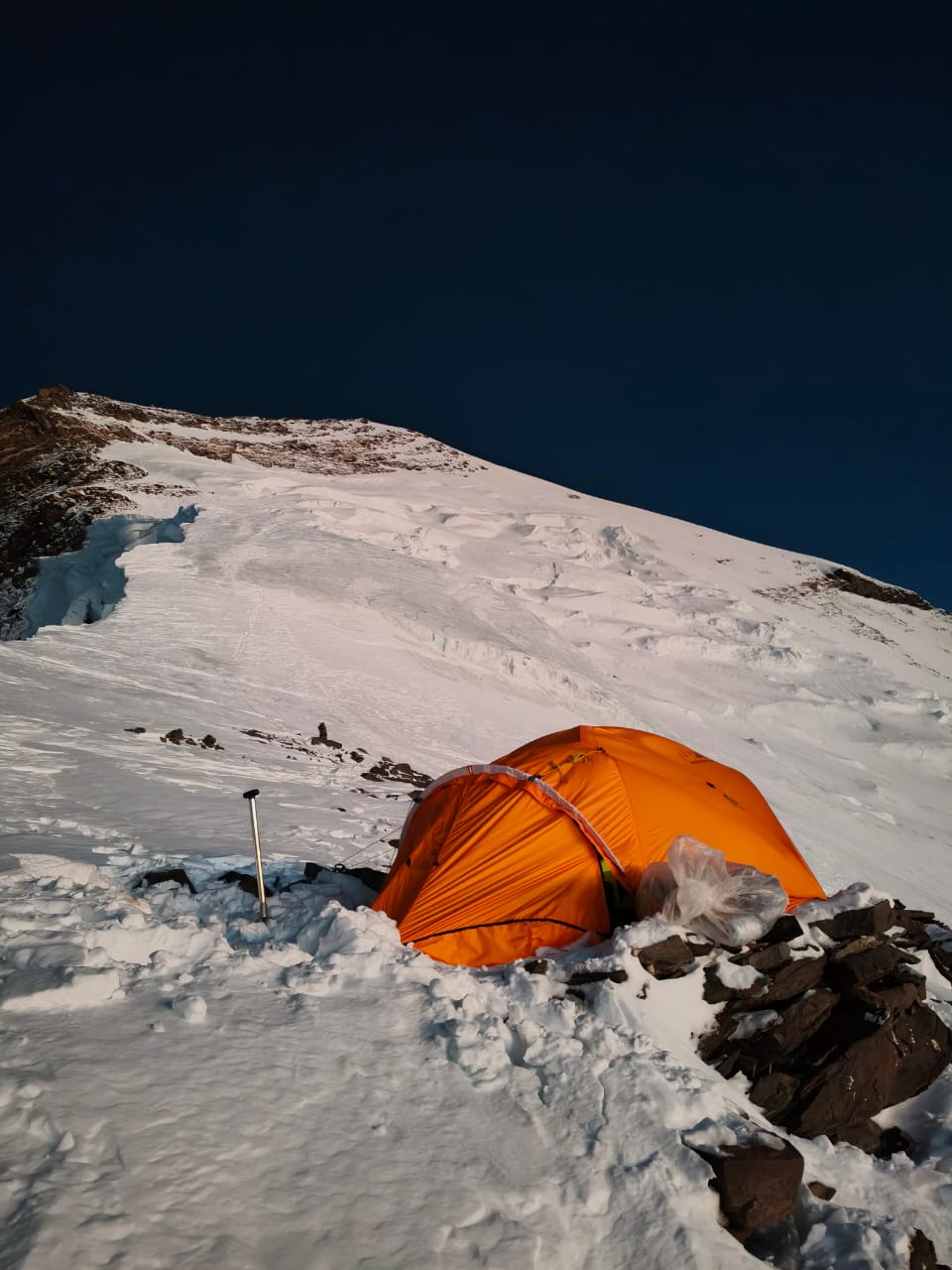
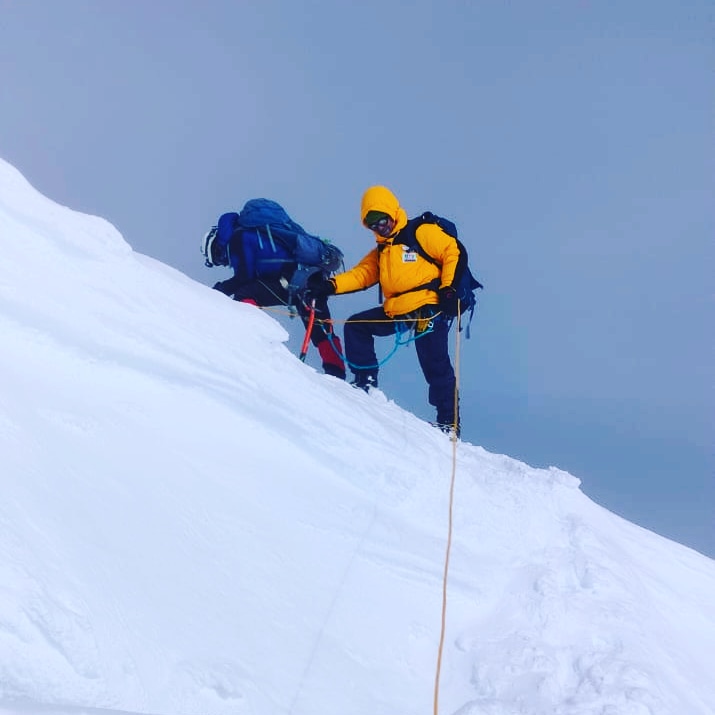
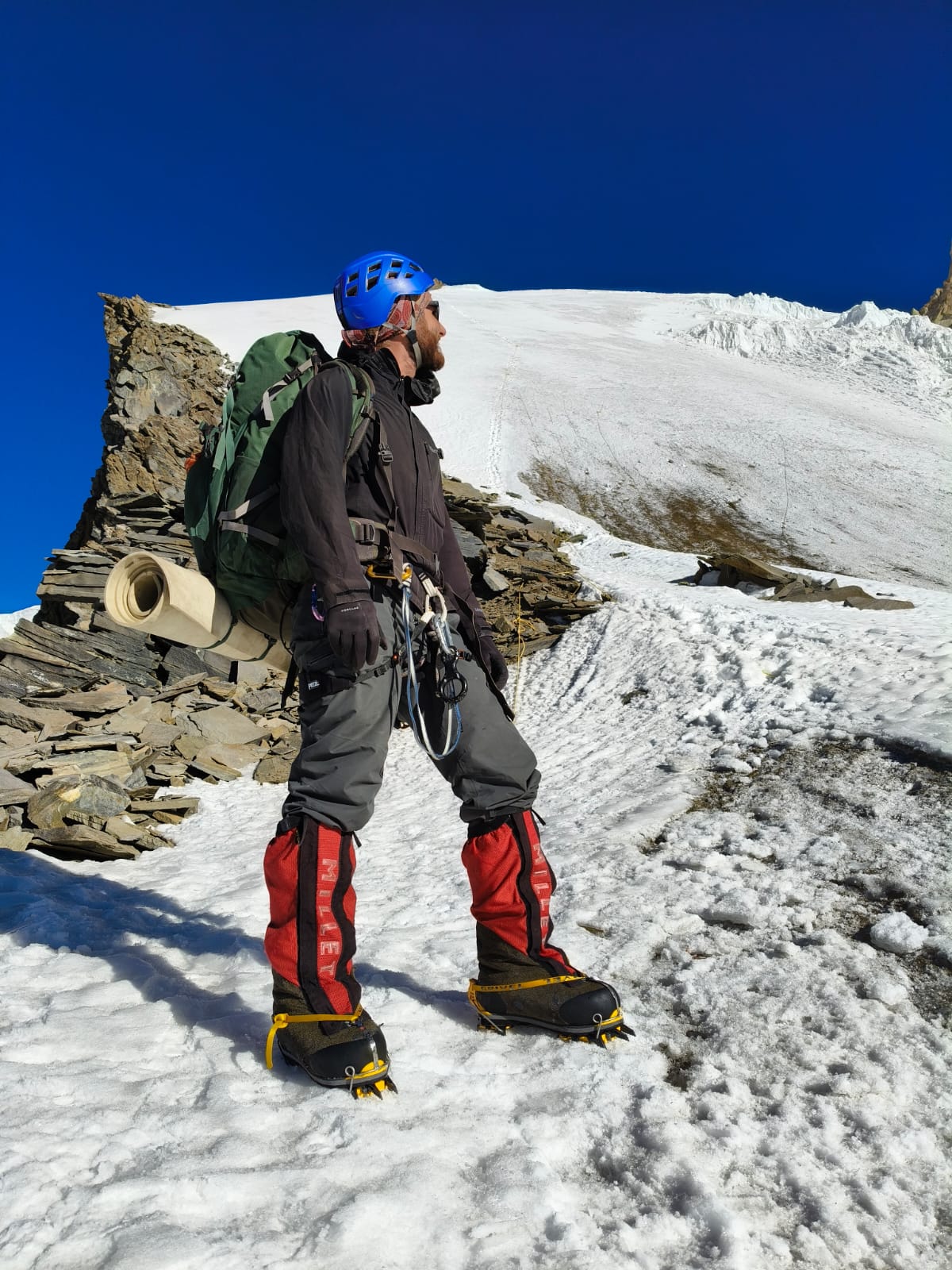
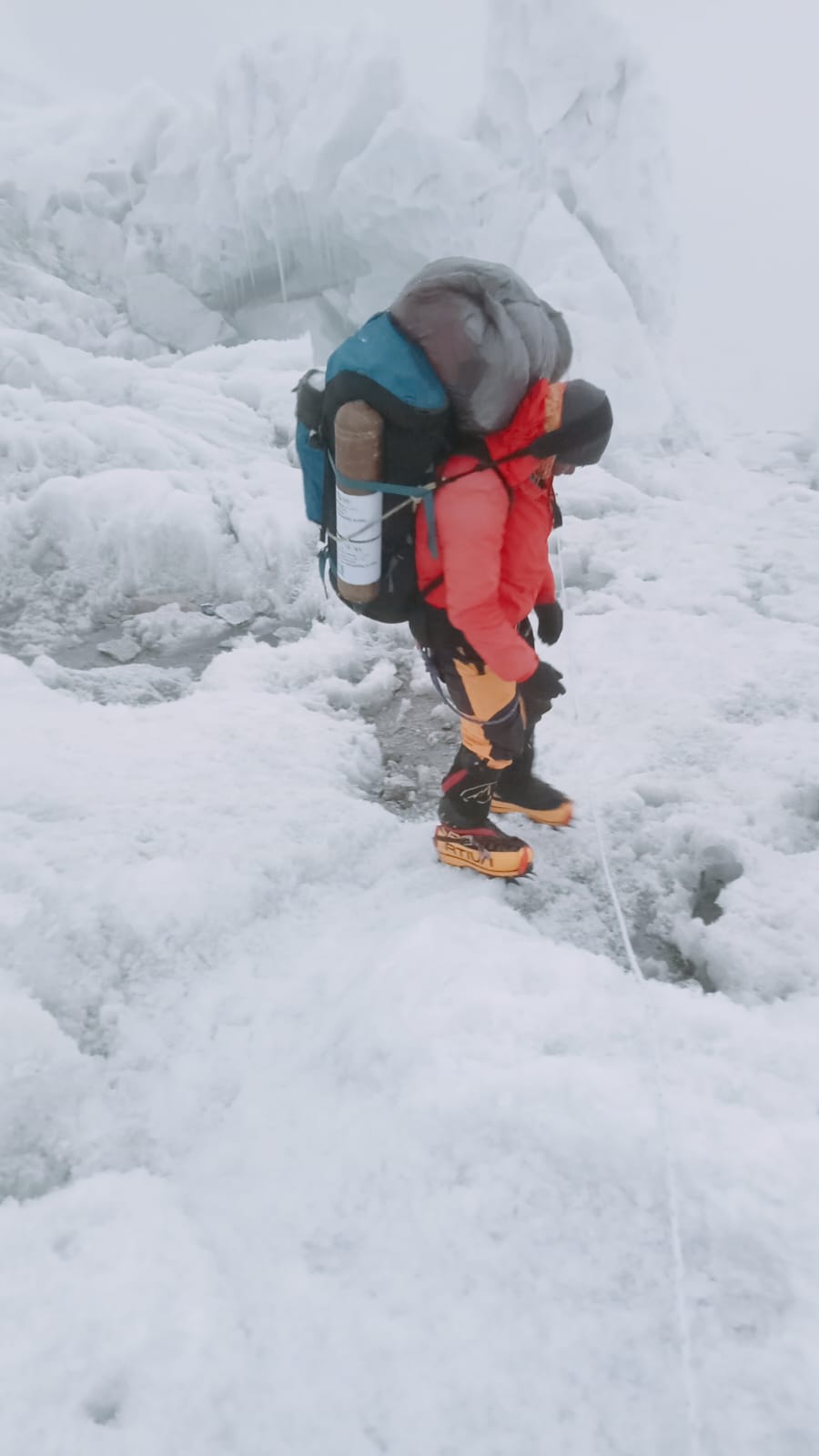
Today begins the load-ferry phase. Carry supplies (food, fuel, tents, ropes) partway toward Camp 2 while gaining further altitude exposure. The route involves navigating crevassed glacier sections and moderate snow slopes. After depositing loads at a cache point or reaching a suitable elevation, return to camp1 for recovery. Guides assess snow conditions, weather, and team fitness. Evening team meeting reviews progress and plans next moves.
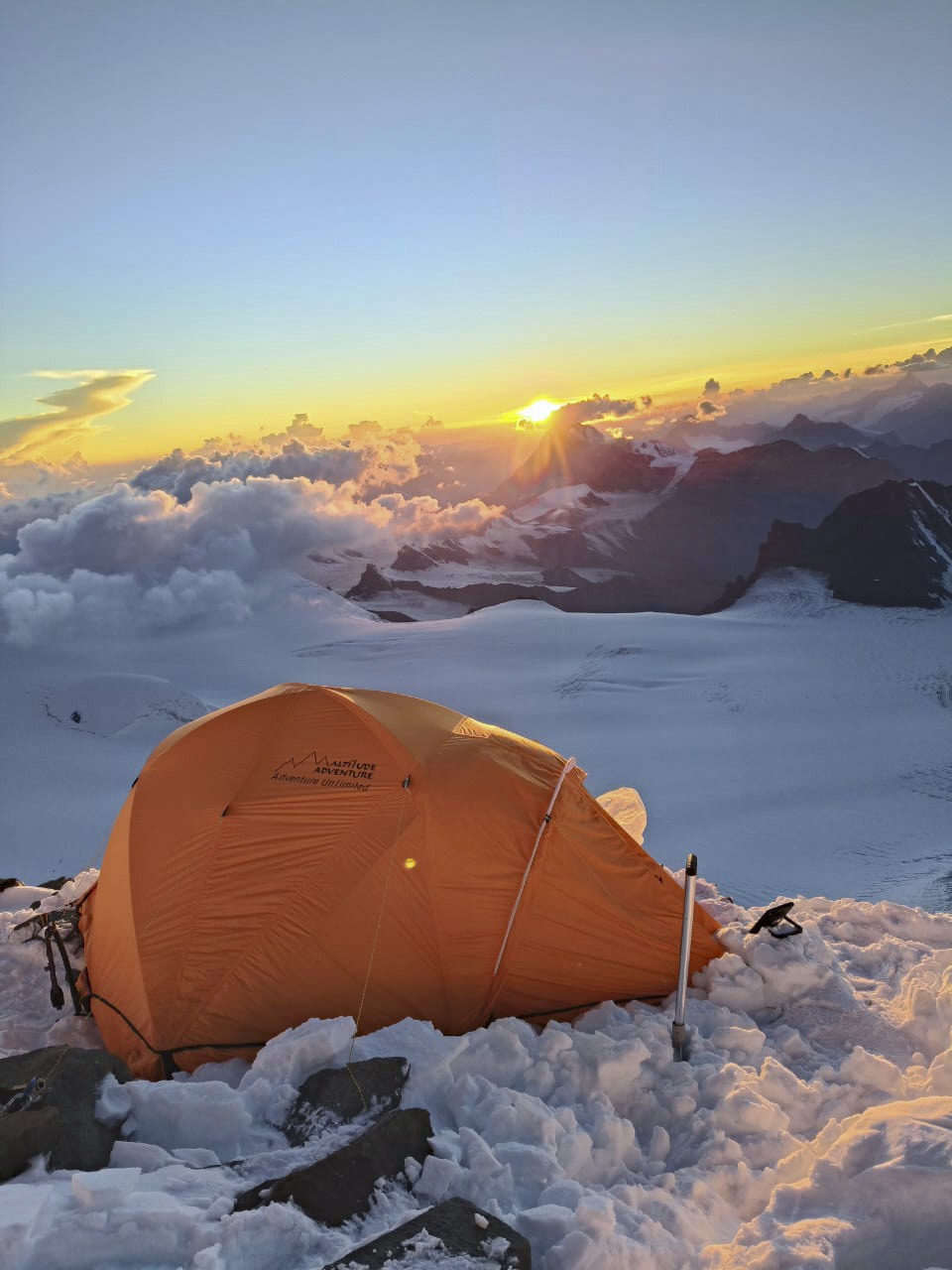
Depart camp 1 carrying essential personal and group gear. The climb steepens with sections of glacier travel, snow bridges, and slopes up to 40°. Fixed ropes may be installed on steeper sections. Reach Camp 2 on a protected shoulder or snow plateau. Establish tents, melt snow for water, and rest. This camp offers stunning close-up views of the Nun Kun summits.
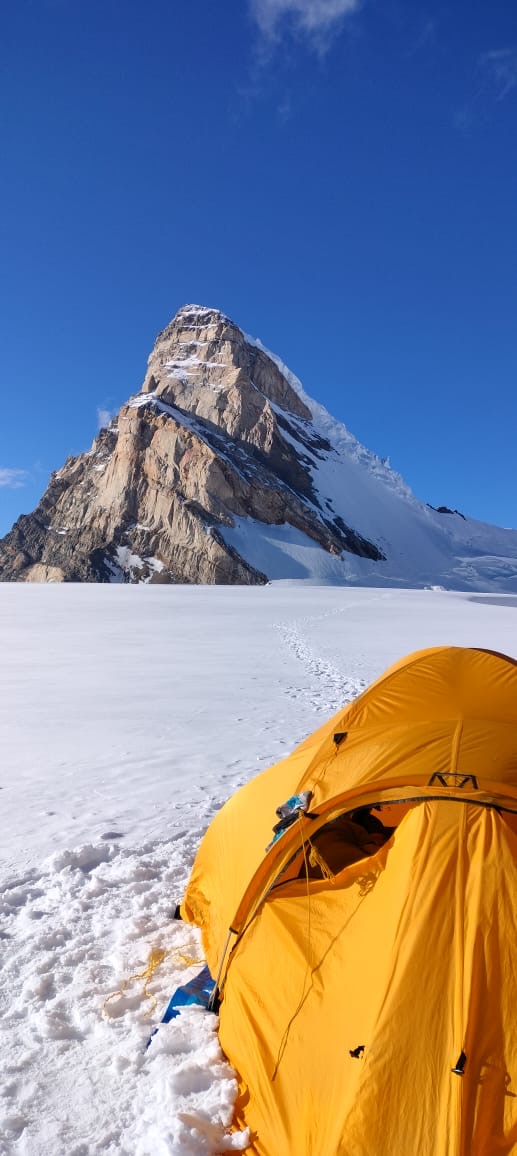
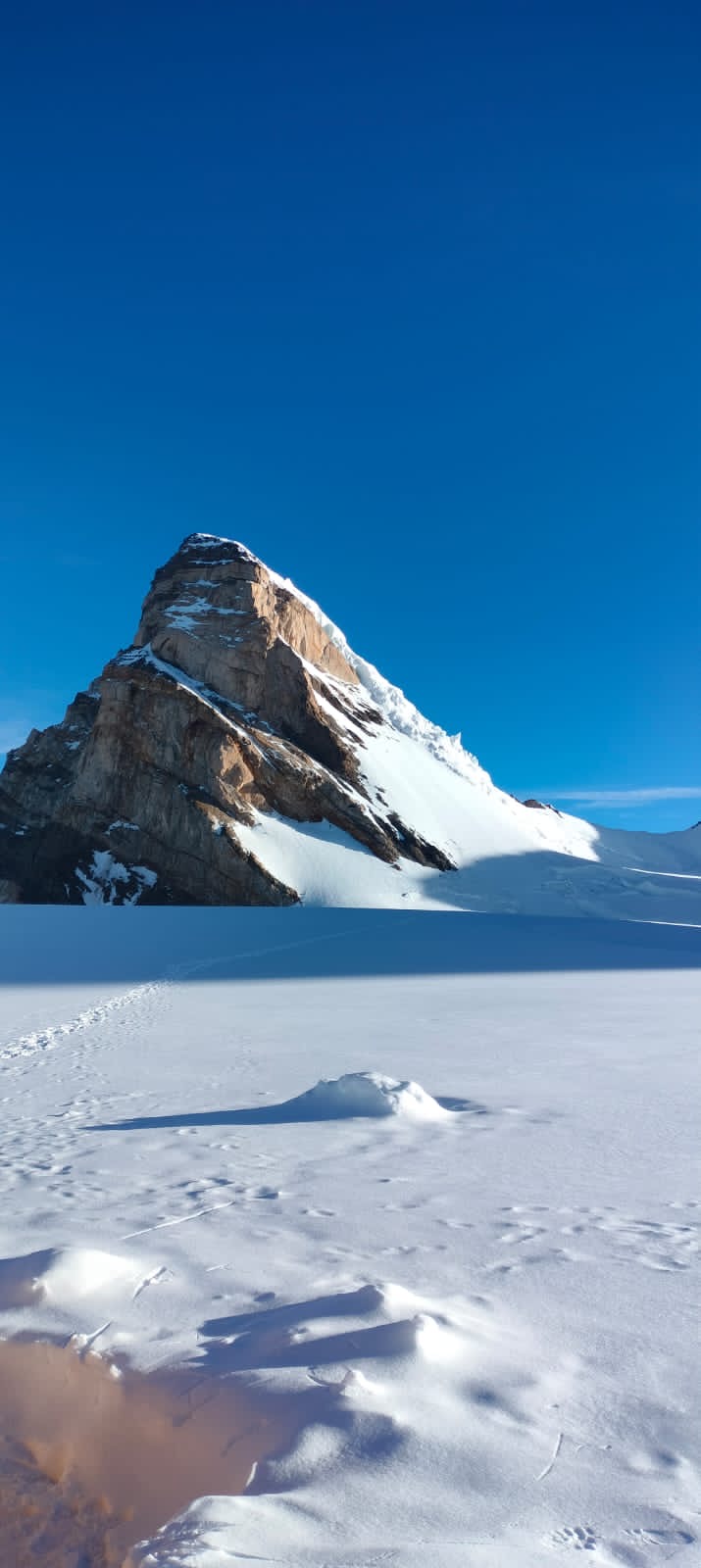
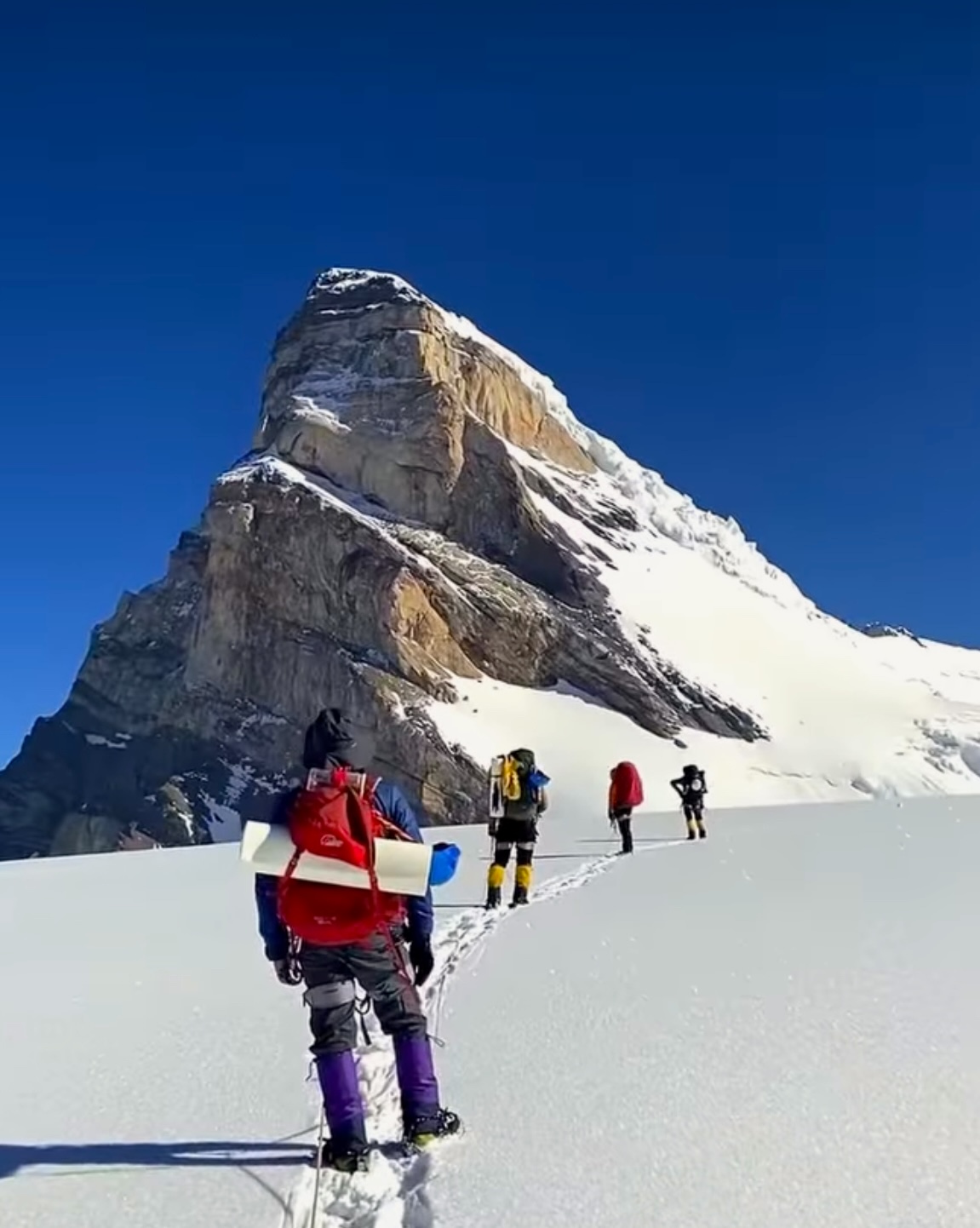
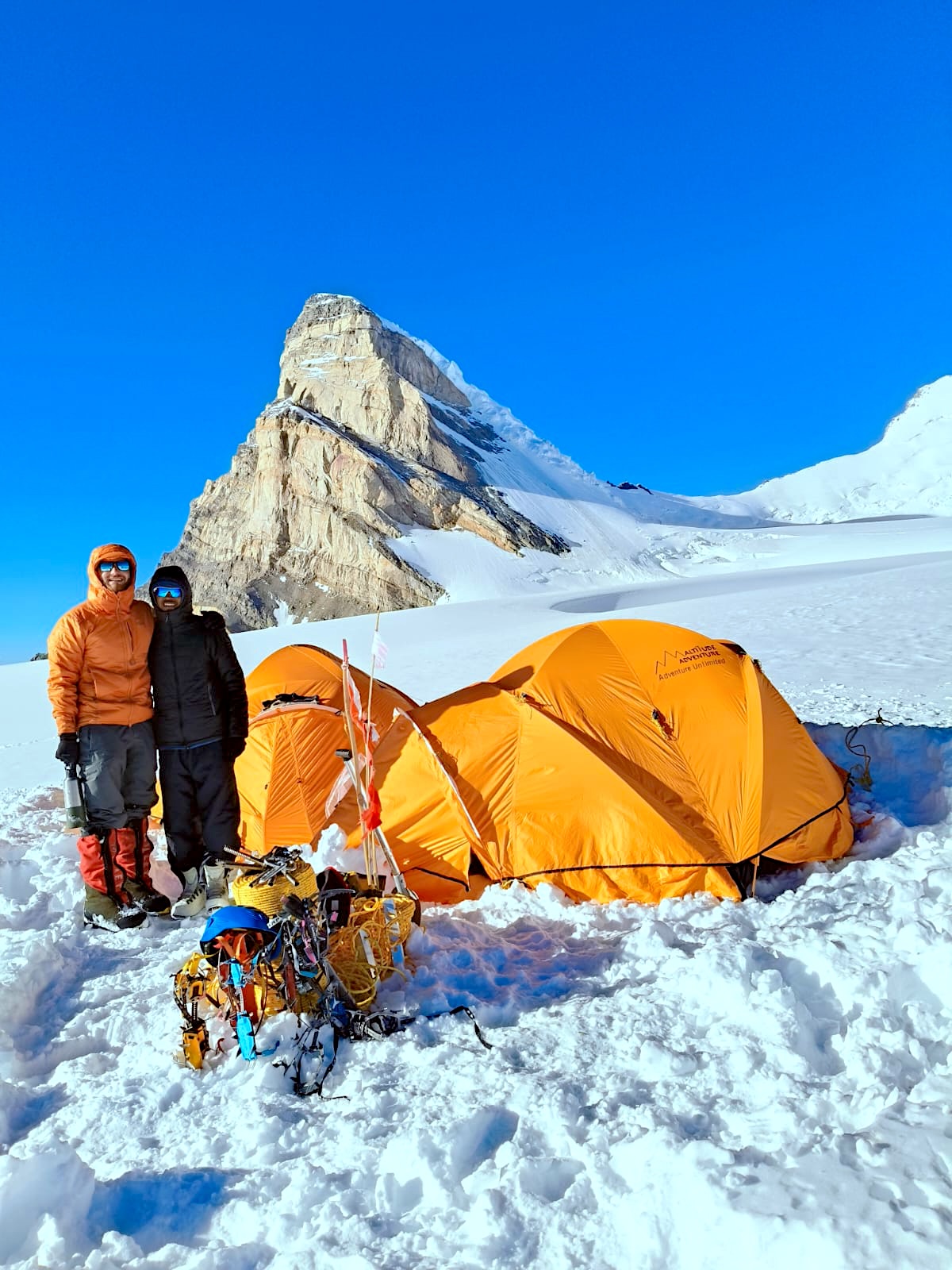
Depending on team strategy and weather, either ferry additional loads back down or rest and acclimatise at Camp 2. Some members may descend to camp 1 to bring up remaining supplies while others consolidate at Camp 2. Focus remains on hydration, nutrition, and monitoring for altitude-related symptoms. Guides conduct route reconnaissance for the next stage.
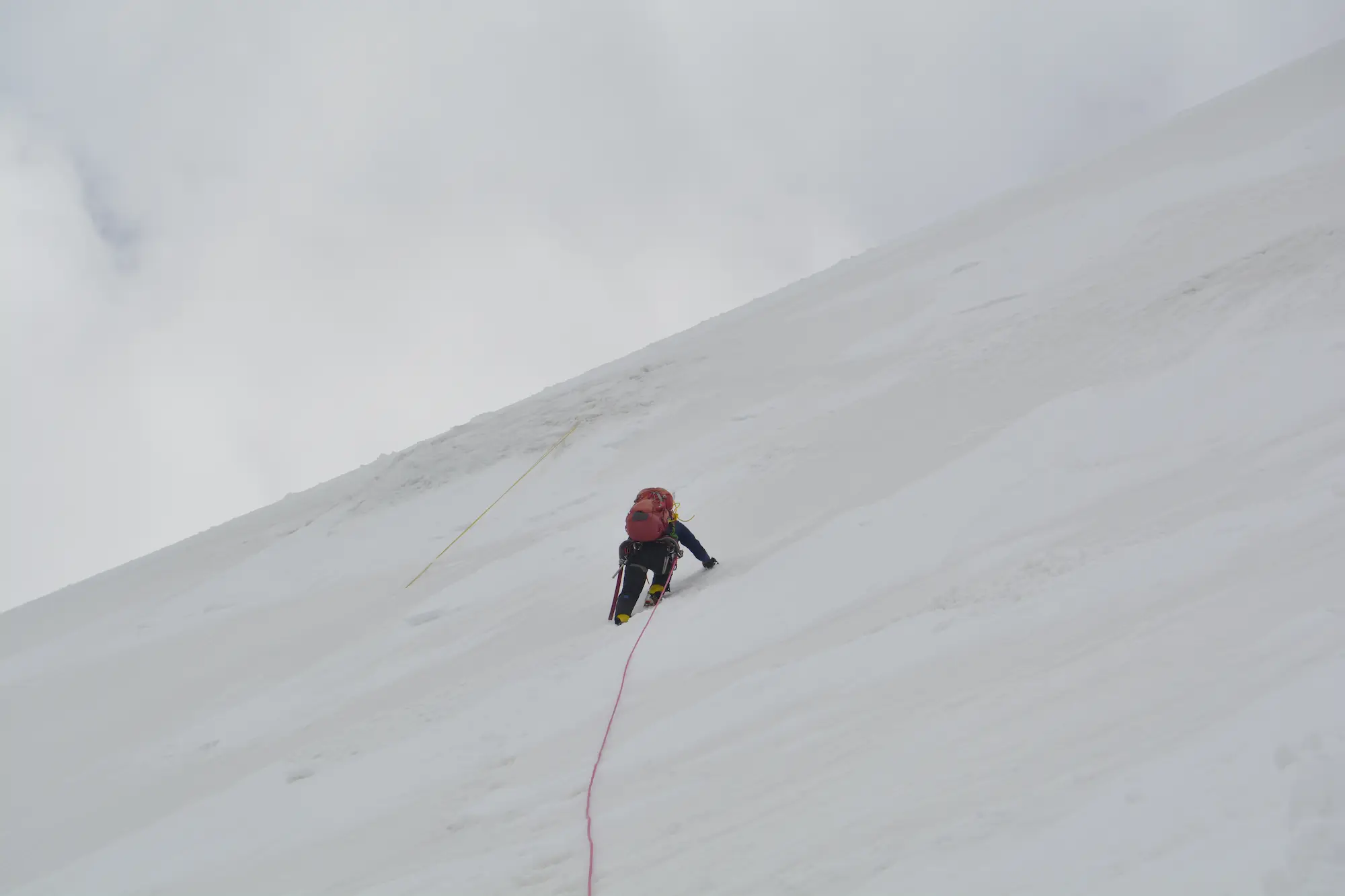
.webp)
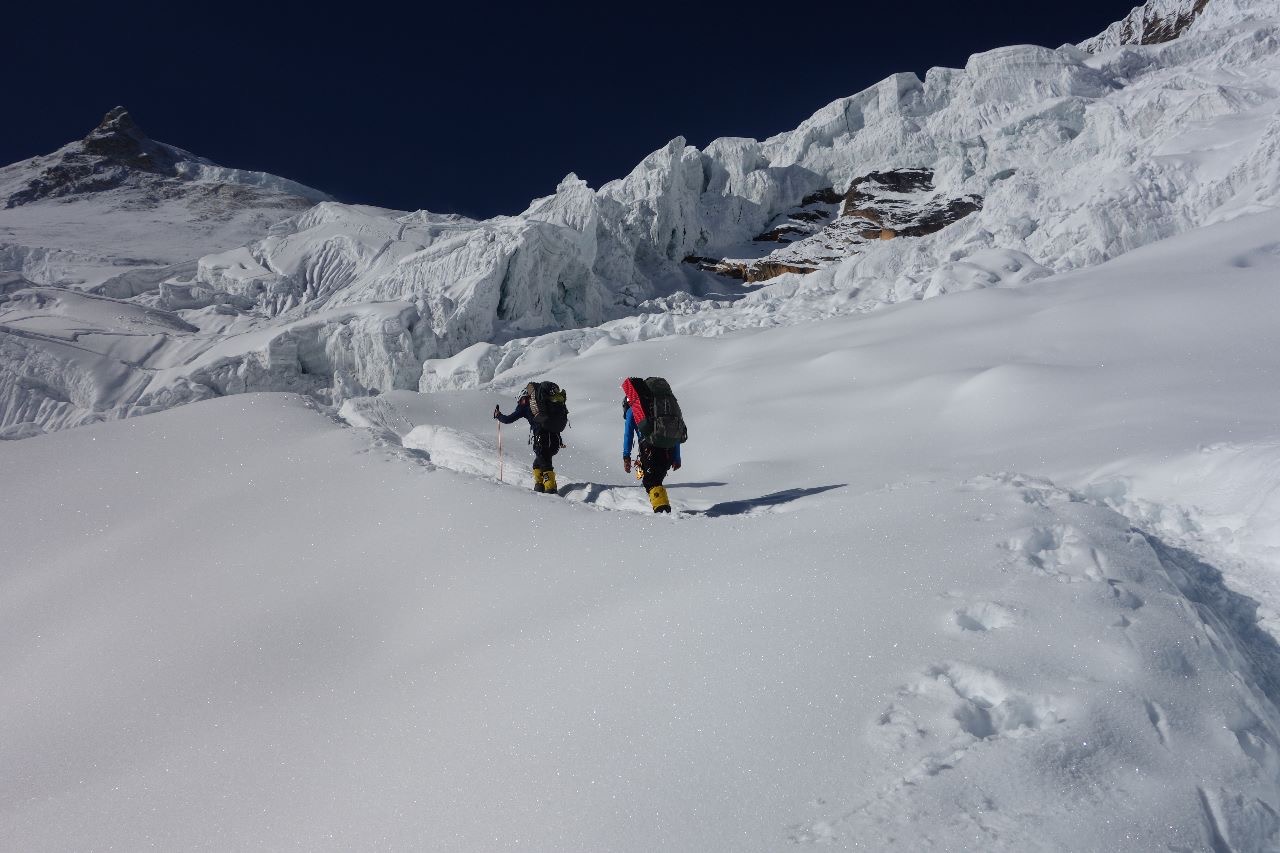
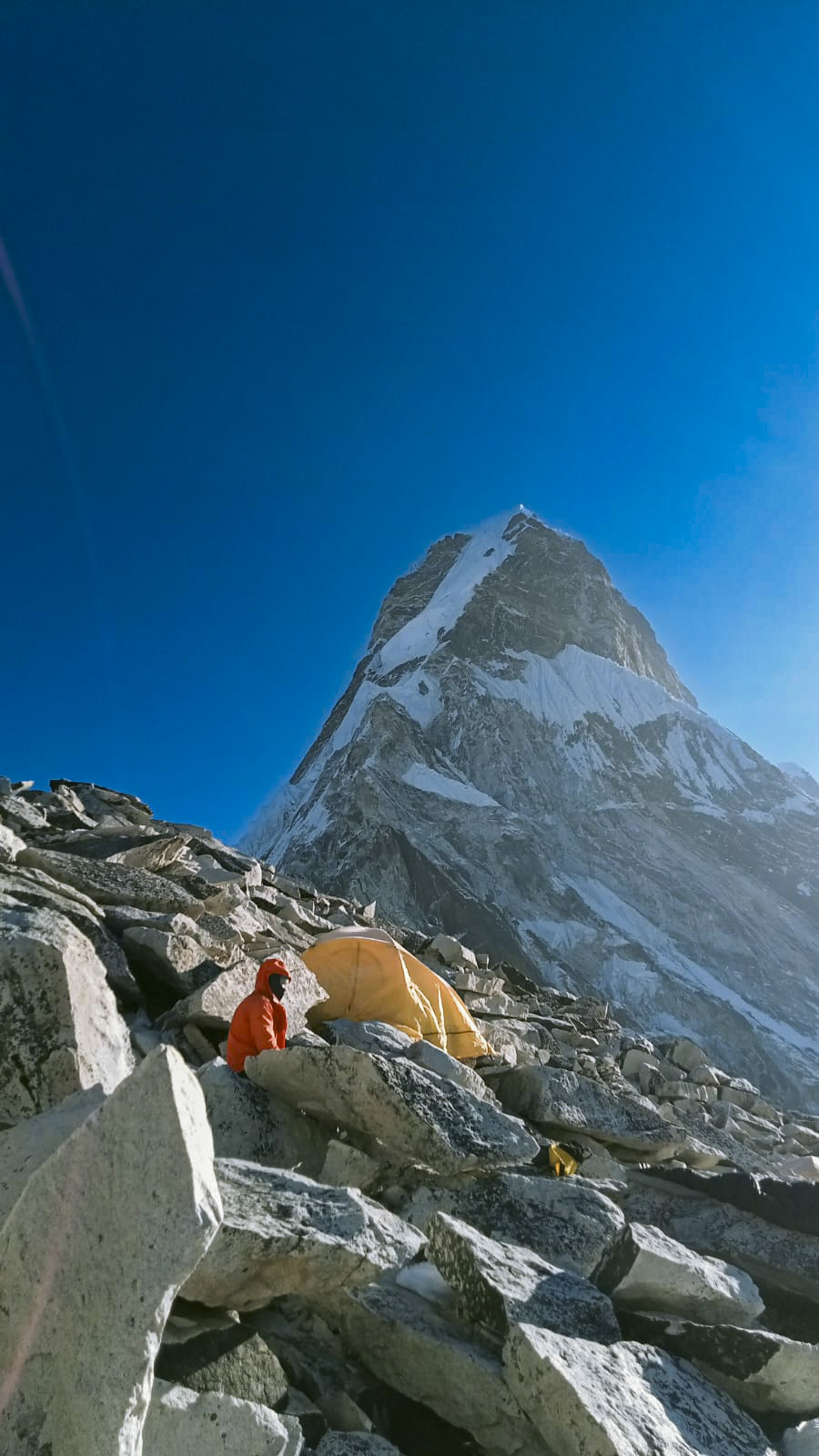
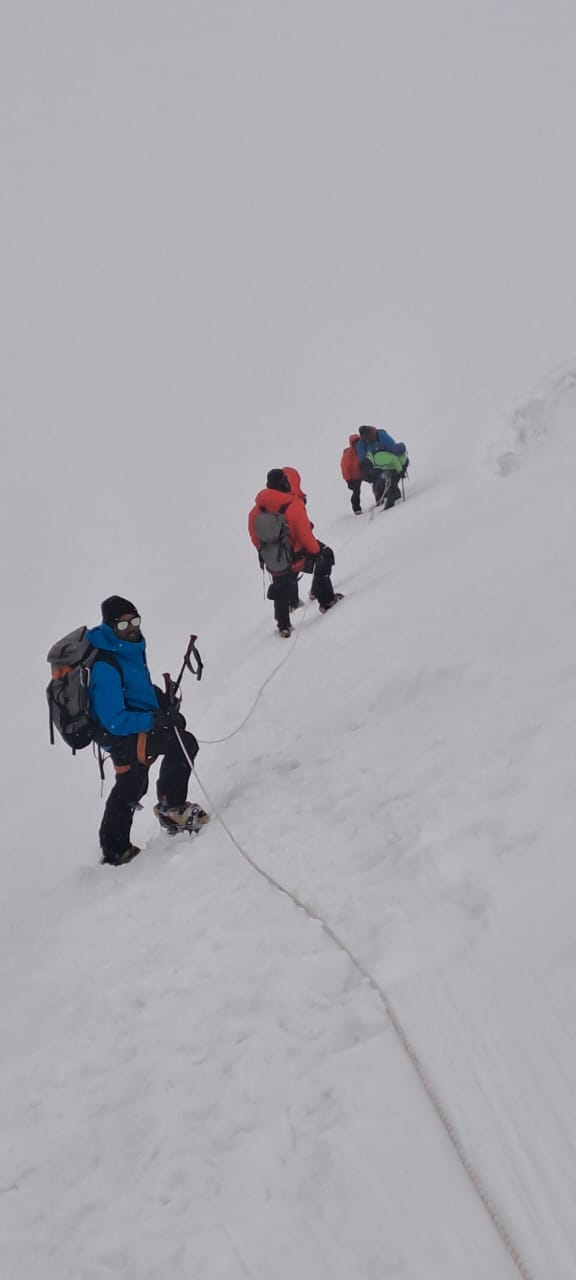
With improved acclimatisation, climb from Camp 2 to Camp 3. This section includes steeper snow slopes (40°–55°), possible mixed rock/ice terrain, and exposed ridgeline travel. Fixed ropes are used extensively for safety. Reach Camp 3, set up camp, and prepare for the summit push phase. The views across the Zanskar and Greater Himalaya become even more dramatic.
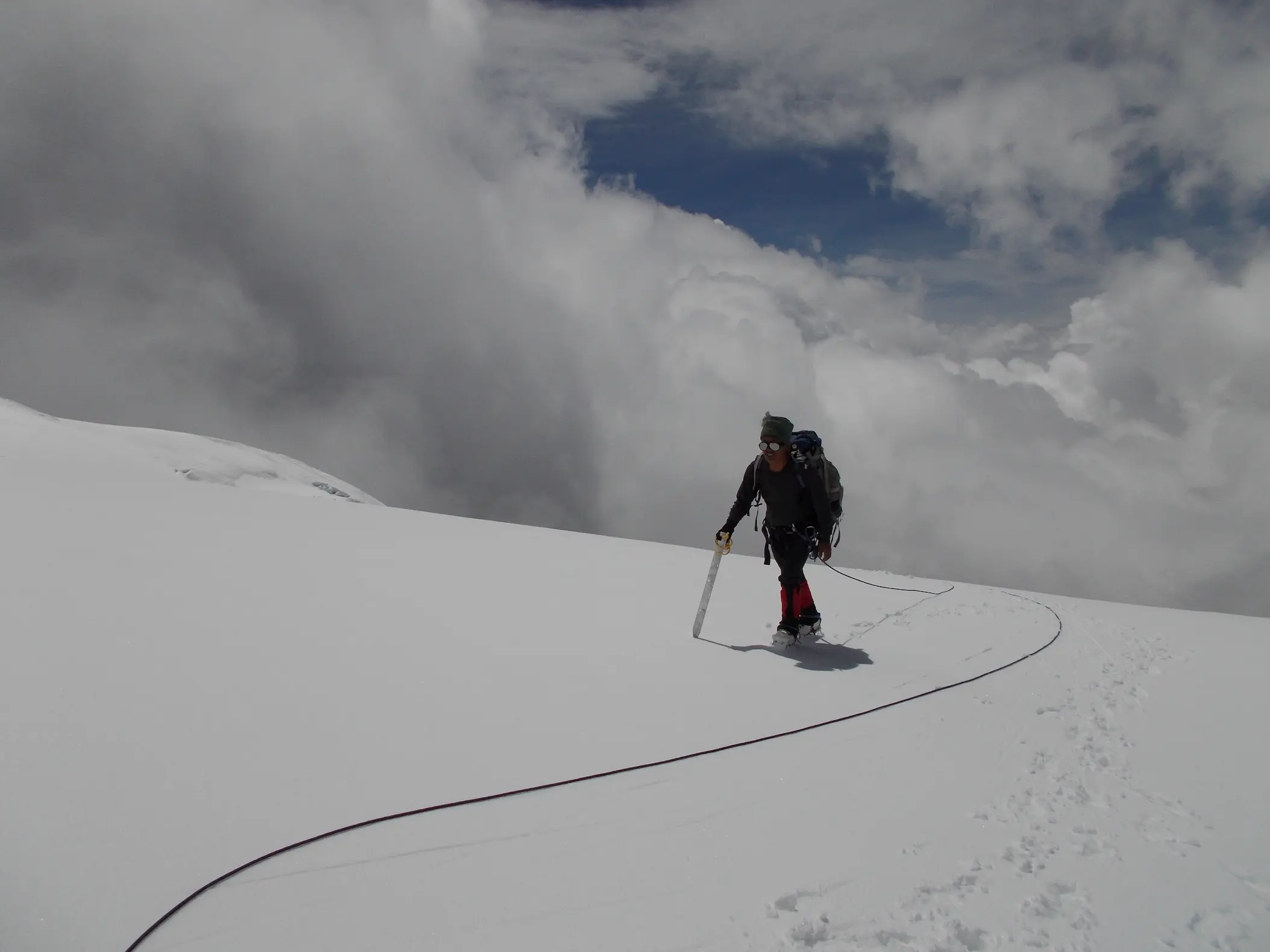
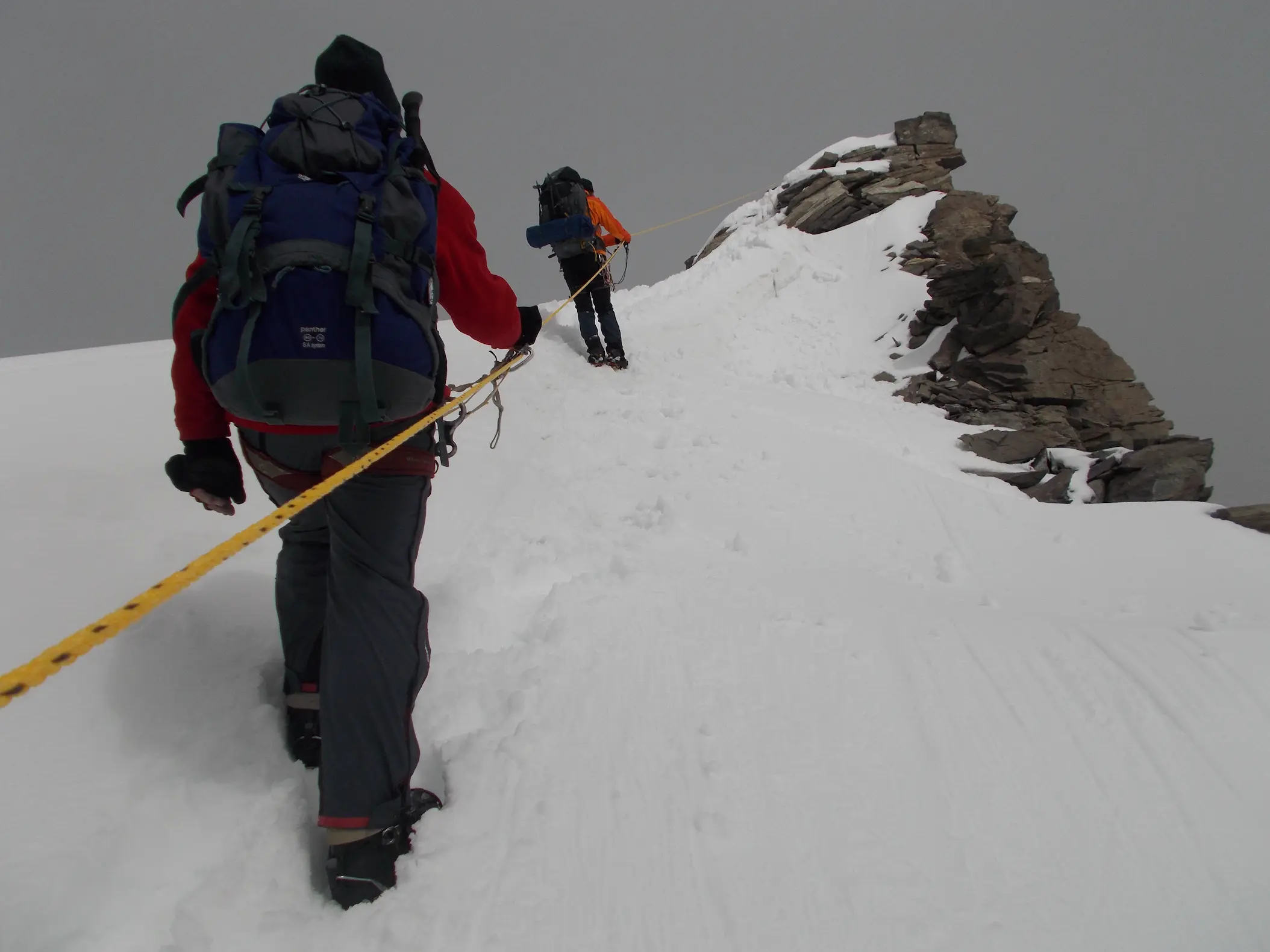
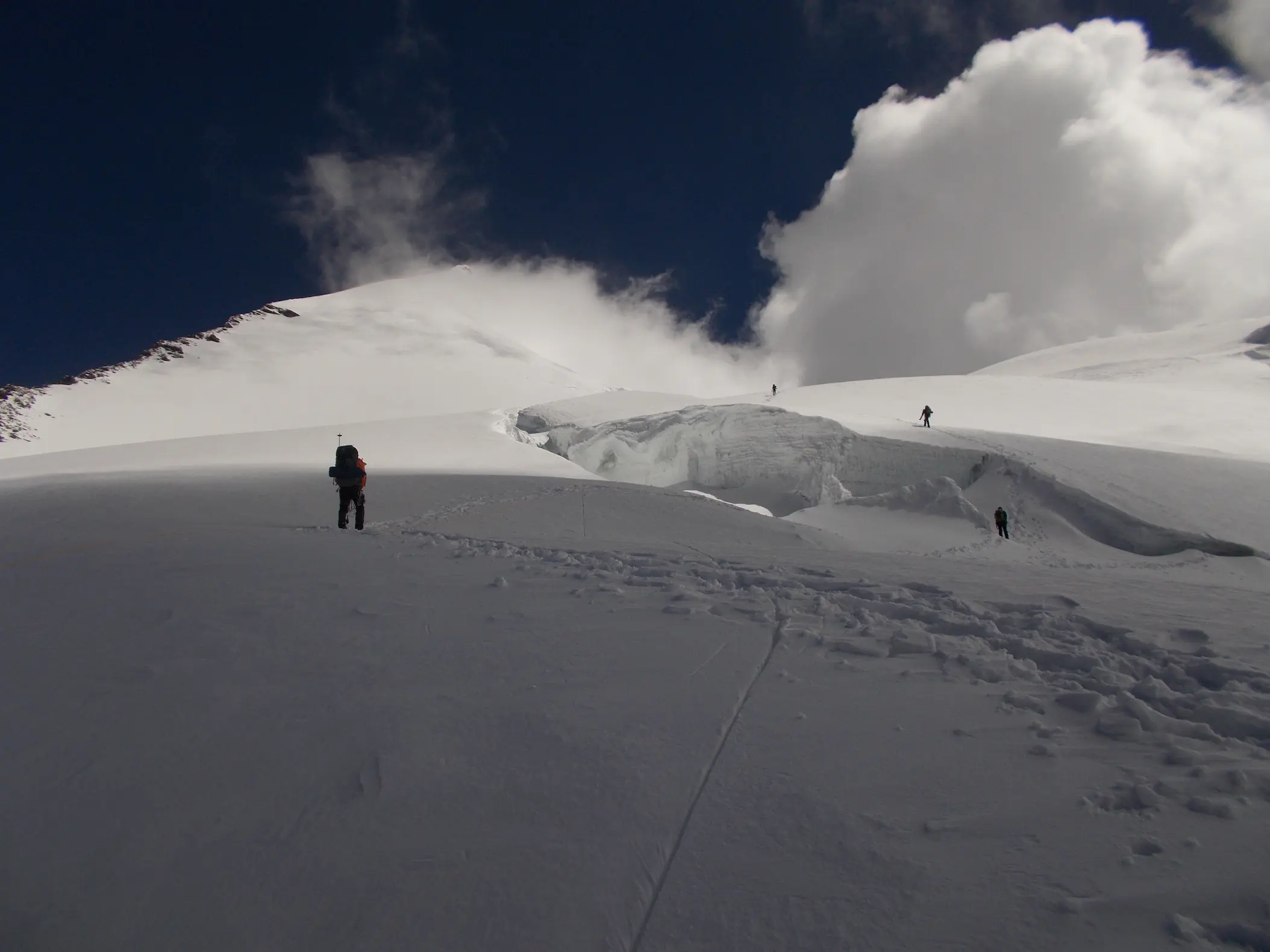
A crucial rest and acclimatisation day at high altitude. Light walks or equipment sorting help maintain fitness without overexertion. Focus on hydration, eating high-calorie foods, and mental preparation. Guides brief the team on summit day logistics, emergency procedures, and turnaround times. Weather monitoring is continuous.
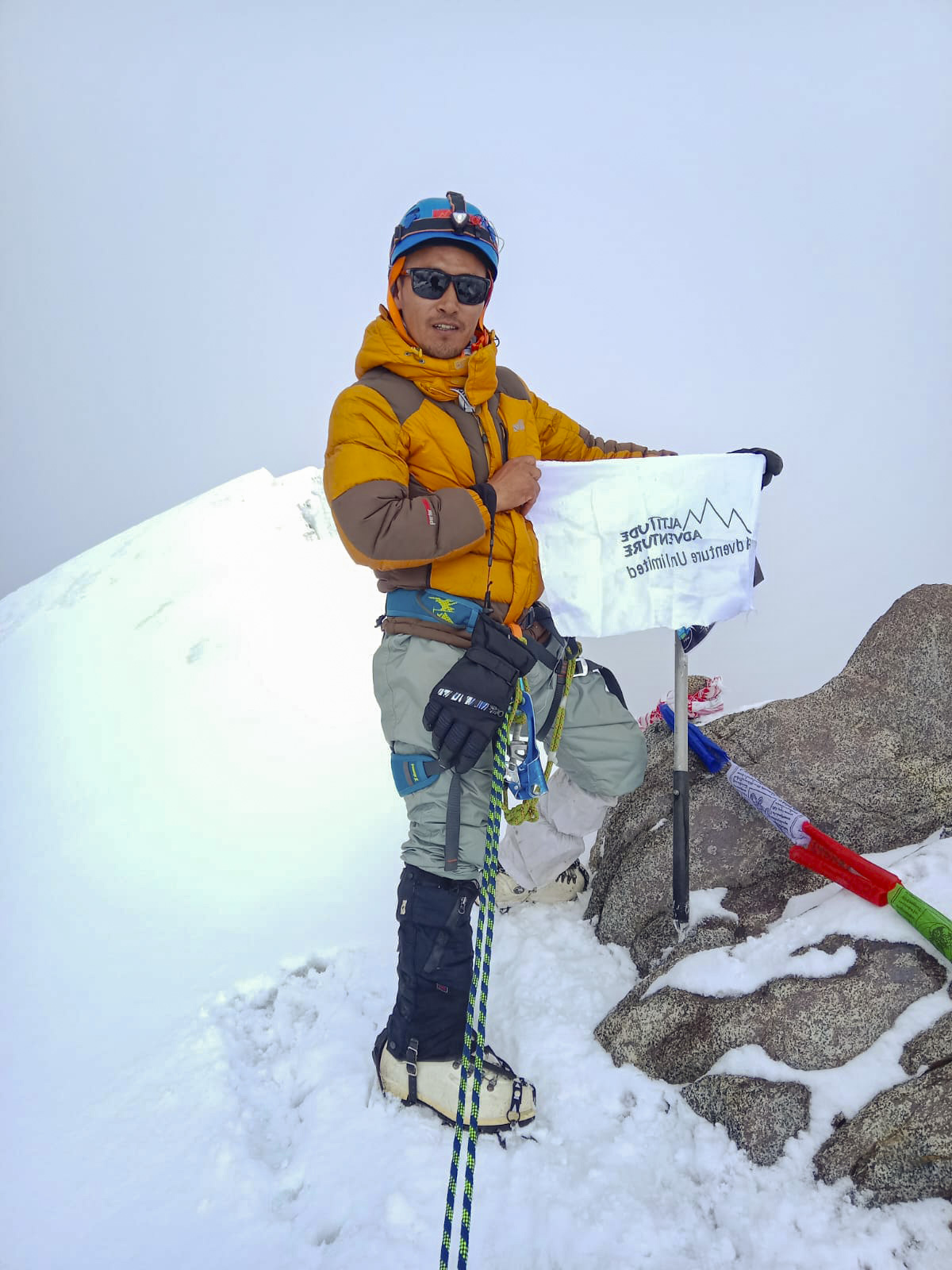
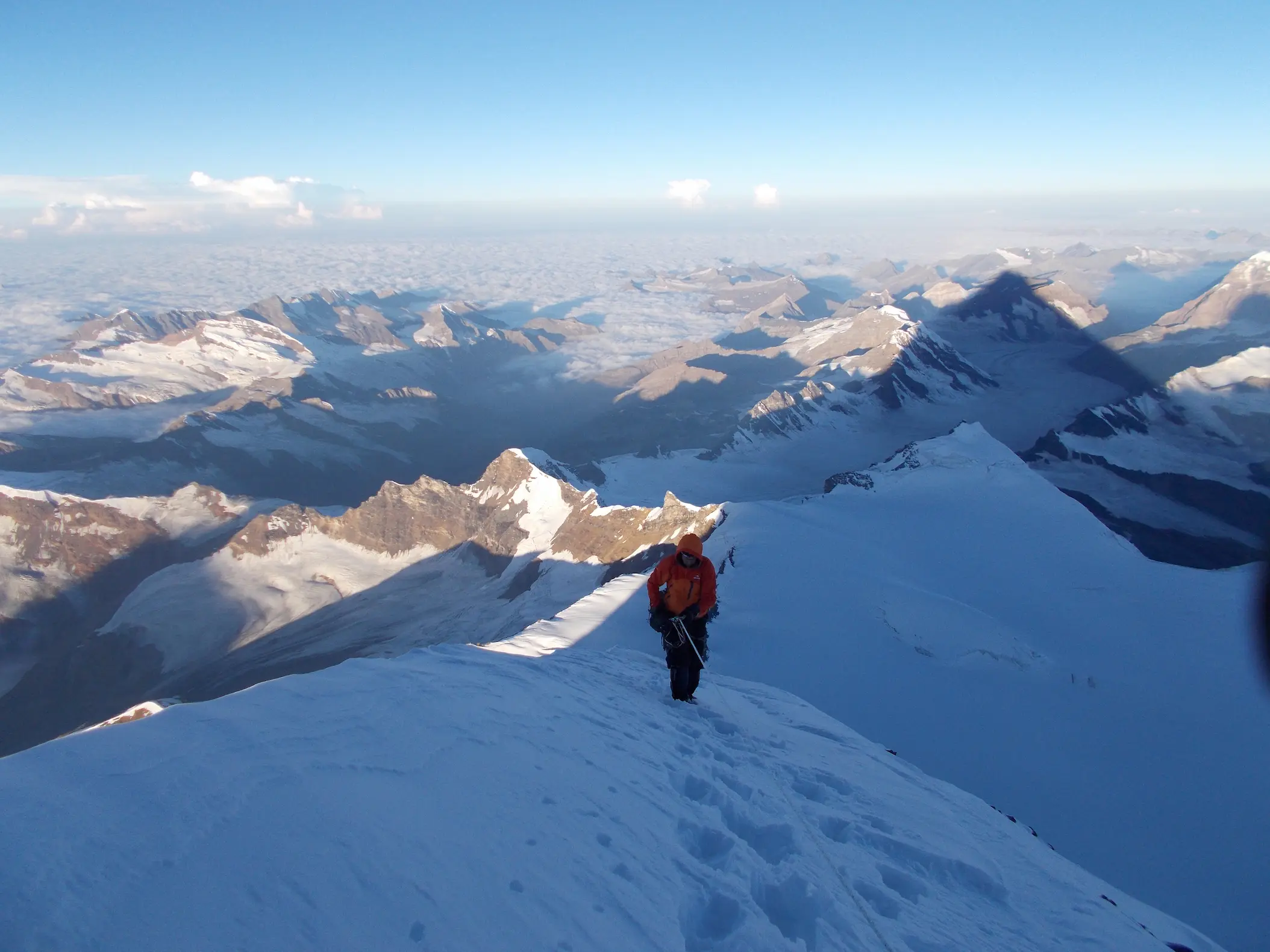
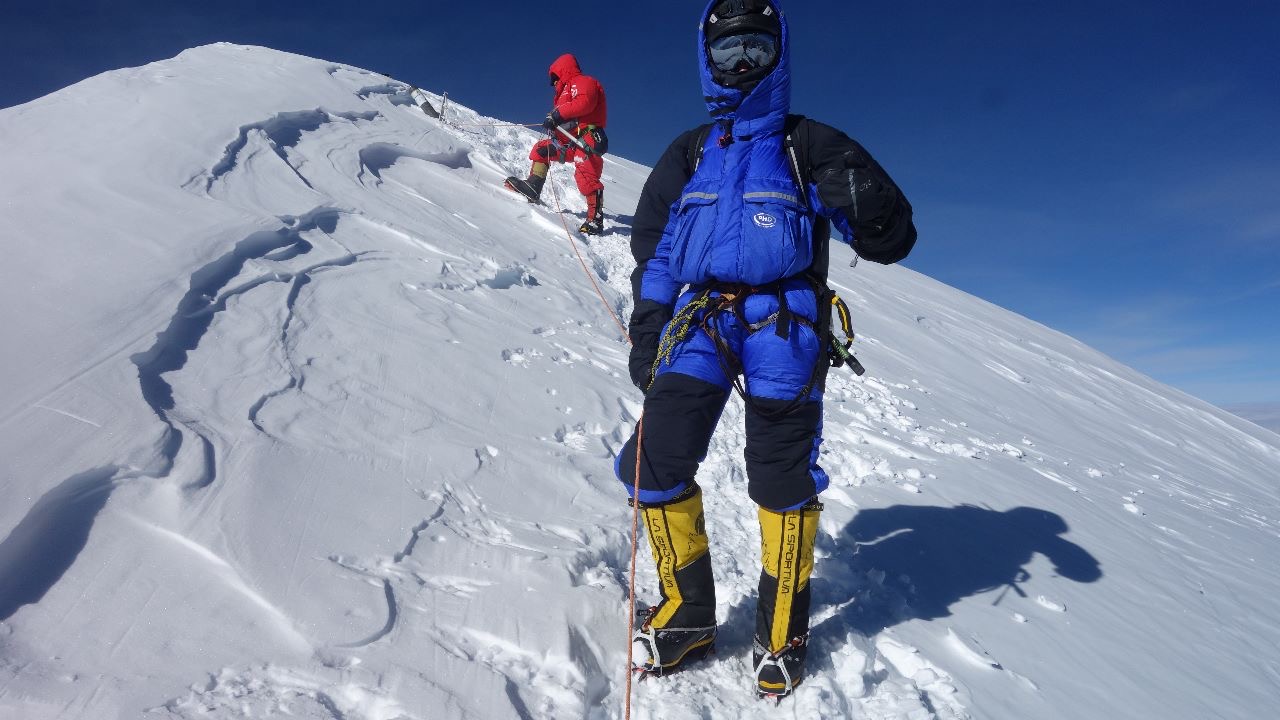
The big day begins around midnight or early morning under headlamps. Climb steep snow slopes, negotiate exposed ridges, and use fixed ropes on technical sections. The final summit ridge requires careful pacing and crampon work. Reach the summit of Kun Peak (7,077 m) for breathtaking 360° panoramas of the Nun Kun Massif, Zanskar Range, Great Himalaya, and distant Karakoram peaks. Celebrate briefly, take photos, then descend safely to Camp II. This is a long, physically demanding day (12–18 hours total) requiring excellent fitness and decision-making.
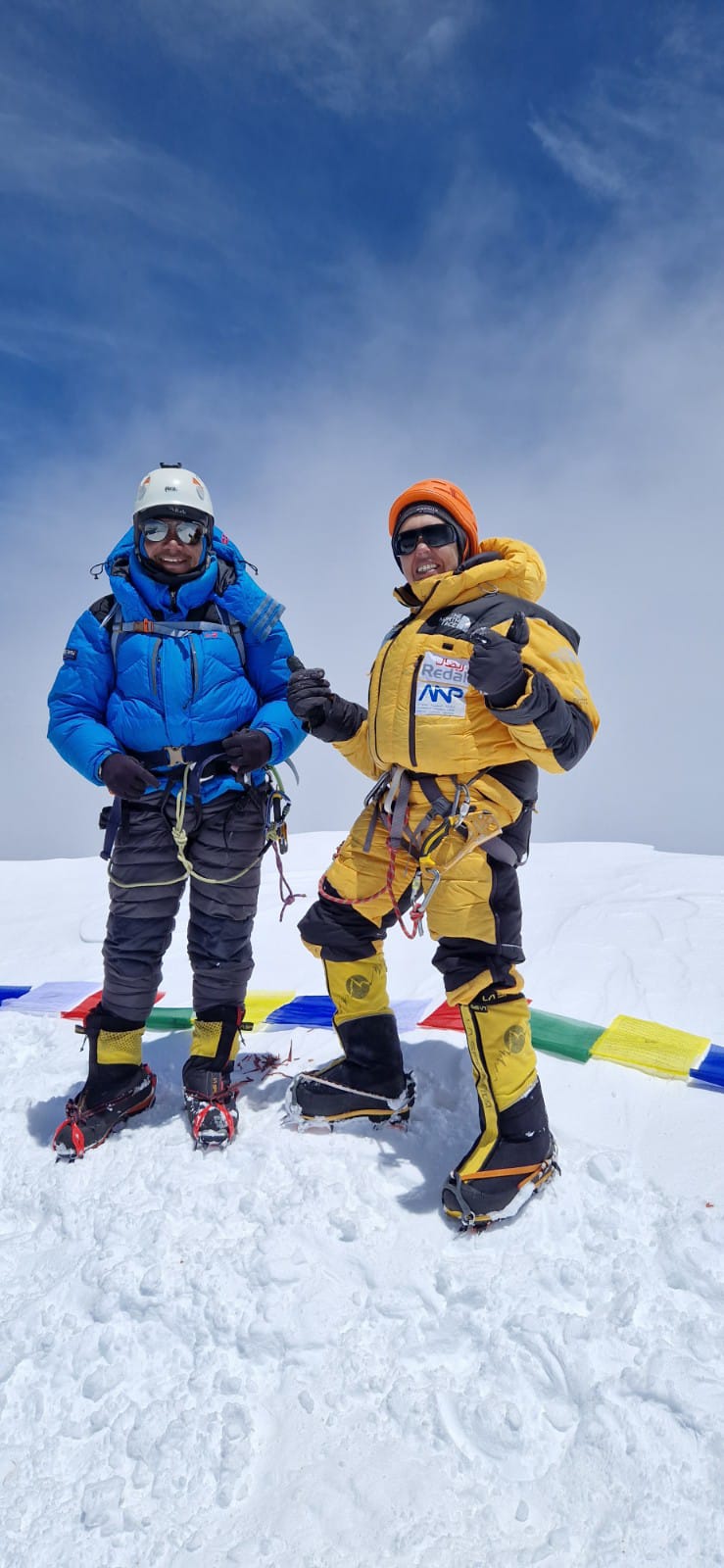
This spare day at Camp 3 (6,300 m) serves as a vital weather buffer before the summit push. The team will monitor mountain conditions and forecasts closely. If weather is favourable, climbers can rest, hydrate, and prepare gear for an early summit attempt the following day. If conditions are poor (high winds, snowfall, or poor visibility), the day allows safe rest, equipment checks, and recovery at altitude while waiting for a better window. Guides will assess team fitness and provide final briefing on the summit route, safety protocols, and turnaround times. This extra day significantly improves the chances of success by offering flexibility without compromising acclimatisation or safety.
After the summit success (or in case of a weather-forced turnaround), descend methodically from Camp 3 to camp 1, dismantling higher camps where possible. The team moves together for safety, sharing the experience and supporting each other. Arrive at camp 1 for a well-earned rest and hot meal.
A flexible buffer day for weather delays, additional rest, or completing any remaining descent tasks. Use it to consolidate gear, celebrate achievements, or wait for safe conditions before moving lower.
Dismantle higher camps completely and descend across the glacier back to Kun Base Camp. The route offers final reflective views of the massif. Celebrate at Base Camp with the full team while packing equipment for the return journey.
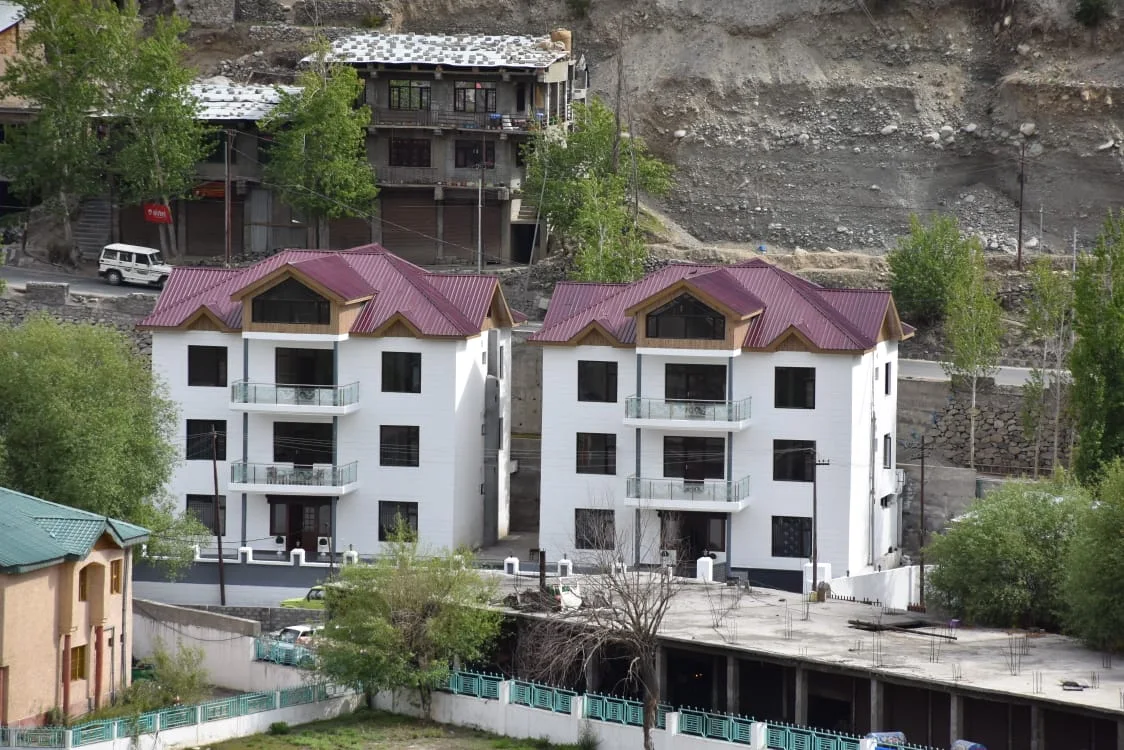
Trek back through alpine meadows to Shafat Nala where vehicles await. Drive through the beautiful Suru Valley to Kargil. Enjoy a hot shower, comfortable hotel bed, and a celebratory meal after days in the mountains.
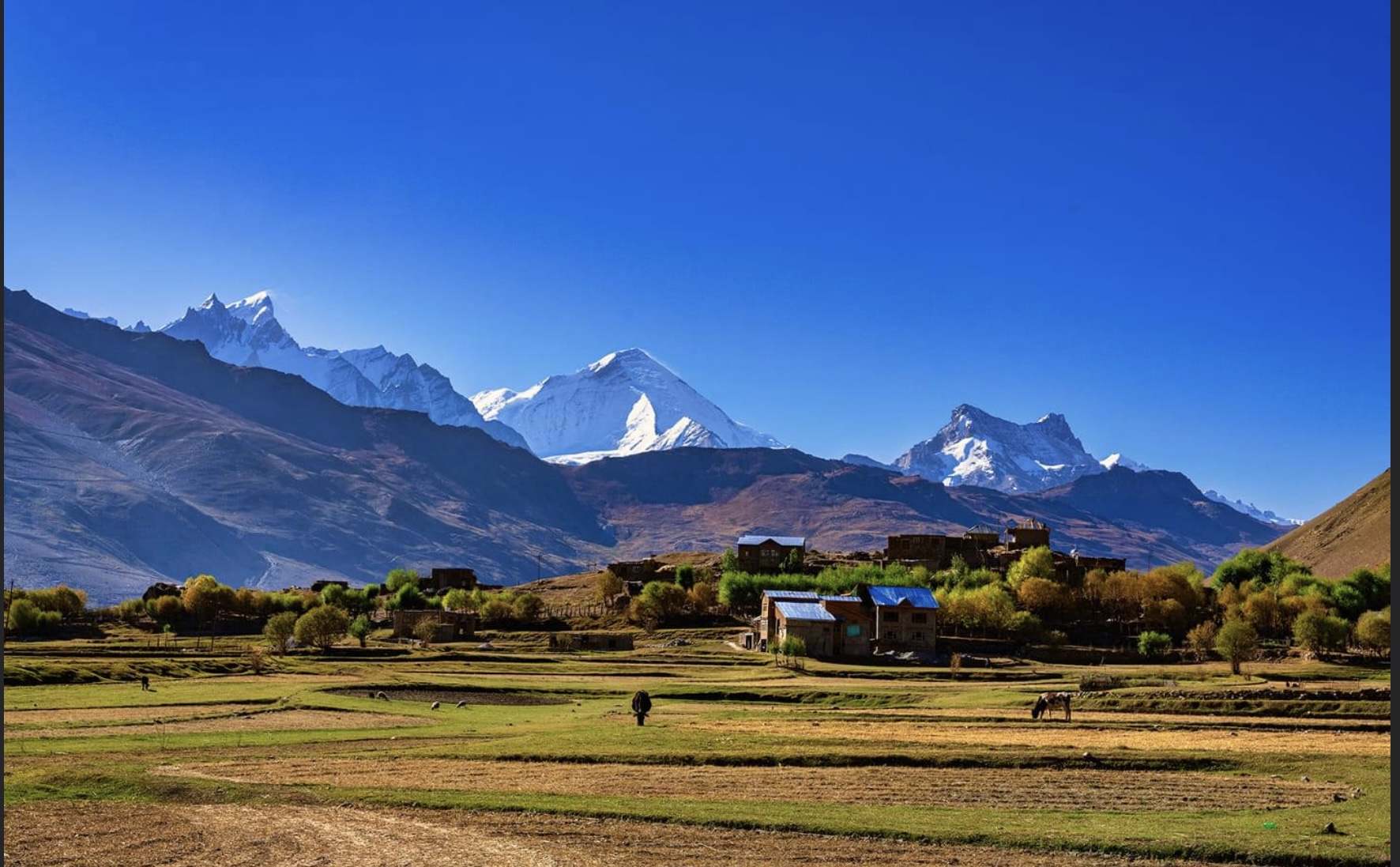
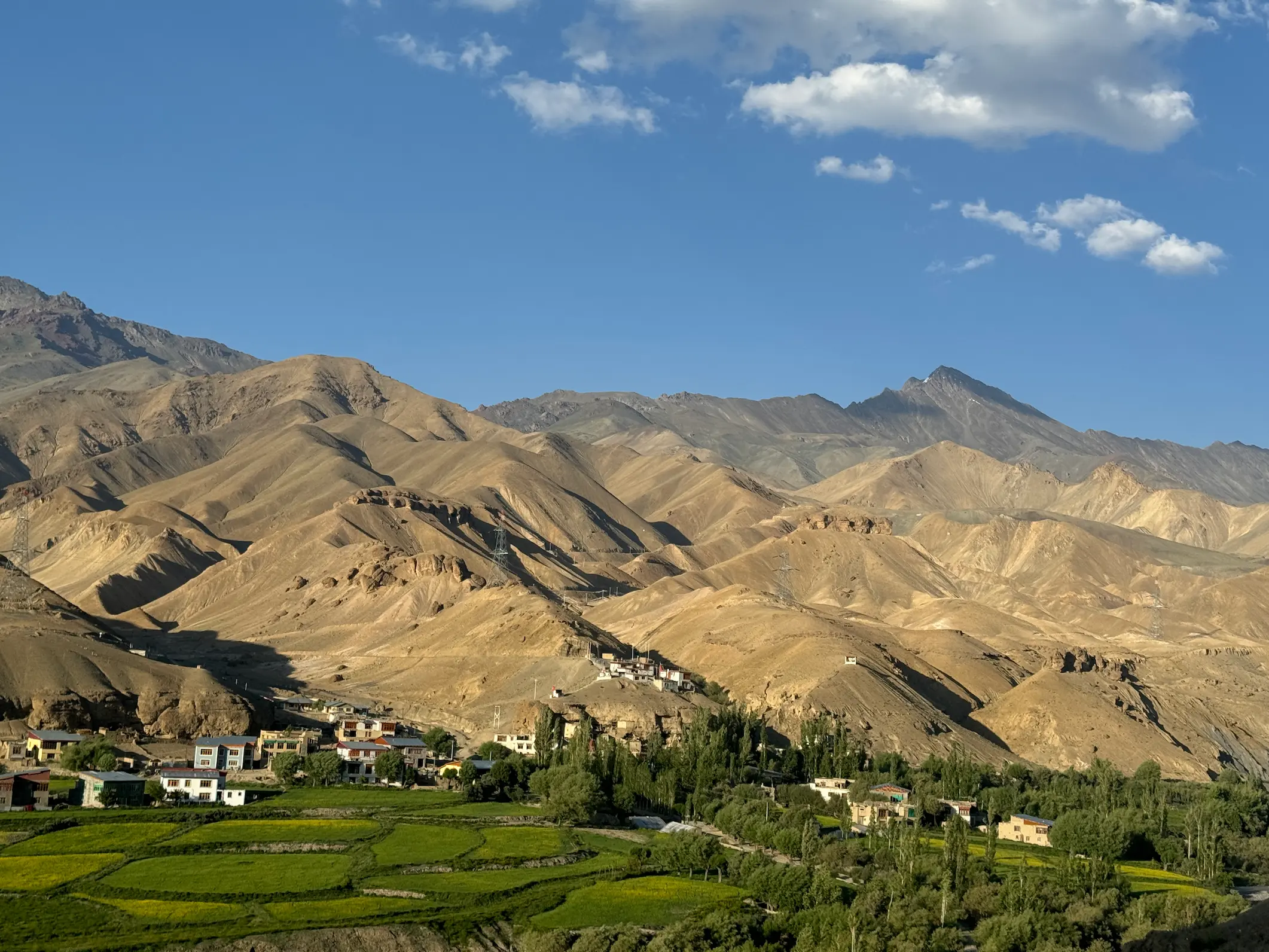
Drive back to Leh via the spectacular high passes (Namika La and Fotu La). Arrive in Leh by afternoon. The evening is free for shopping, relaxing, or a farewell dinner with the expedition team.
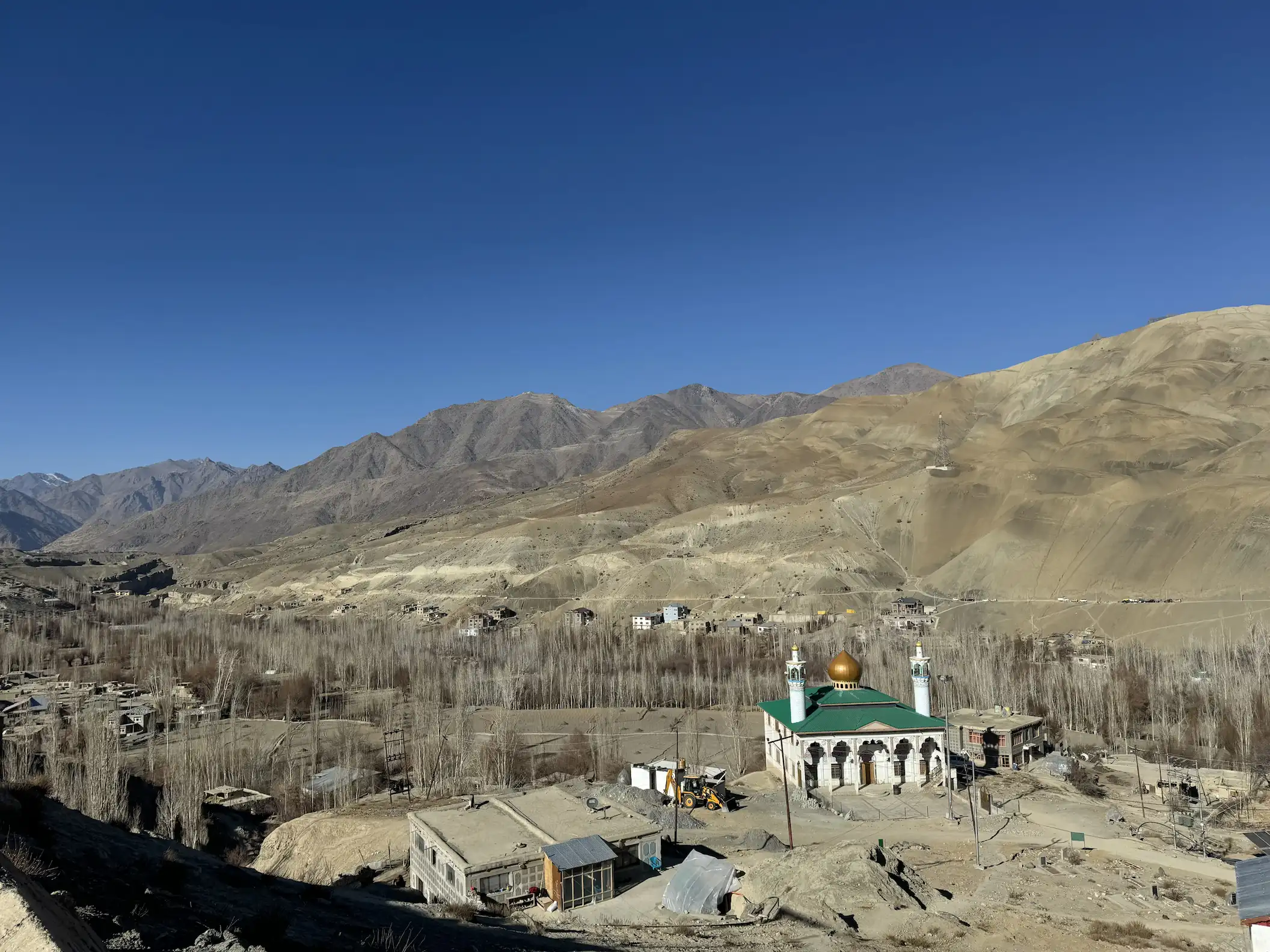
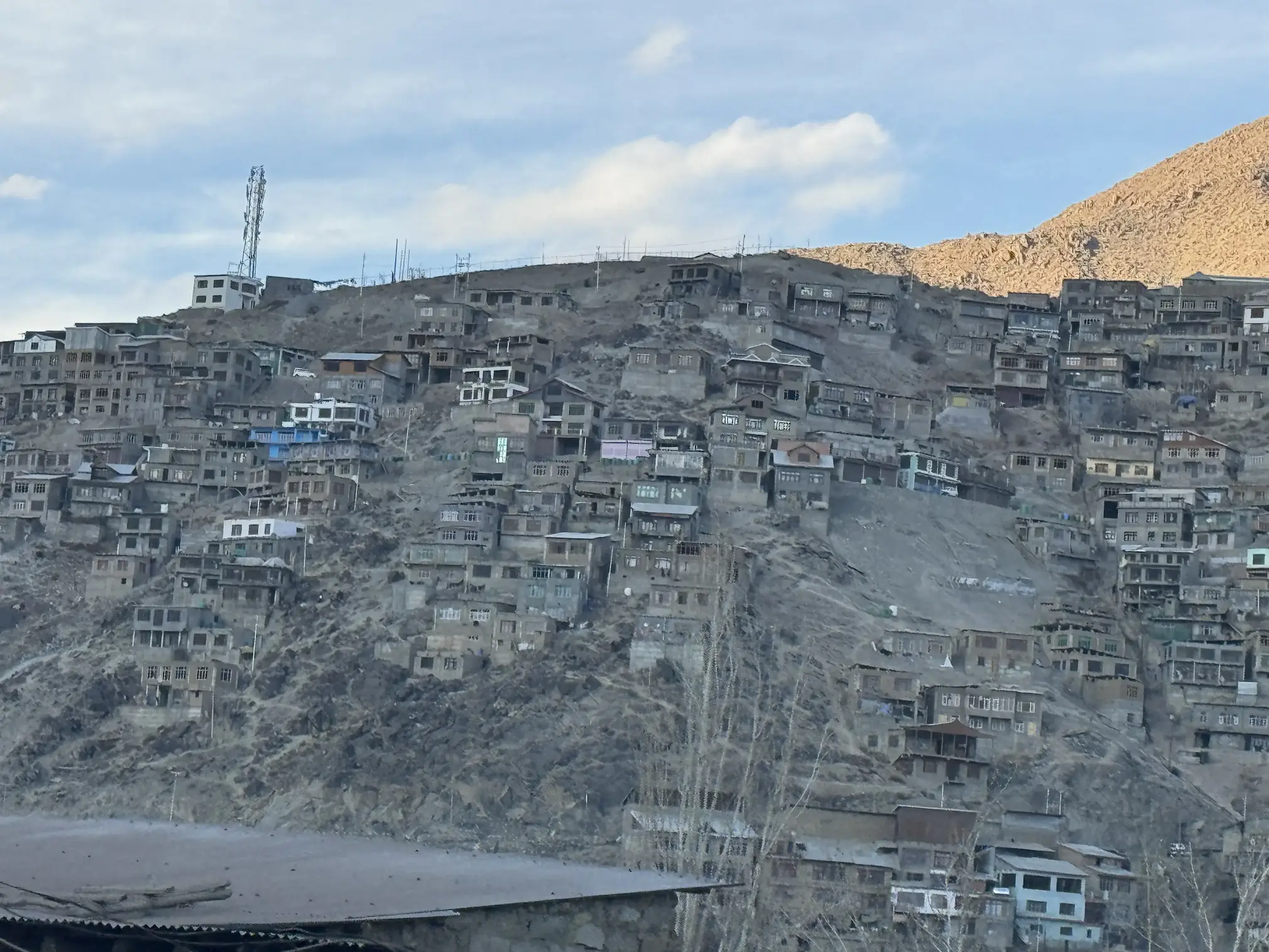
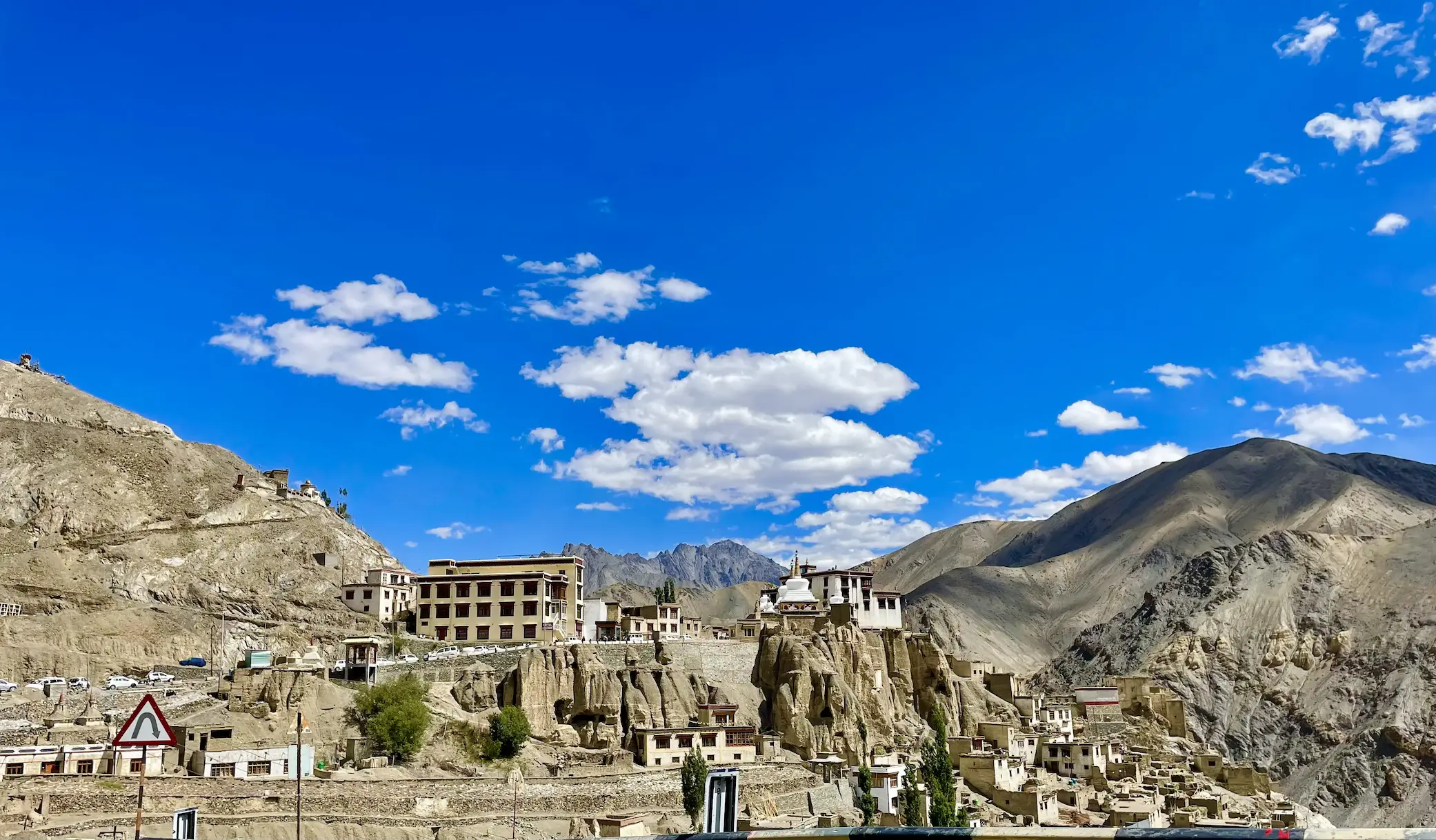
After breakfast, transfer to Leh Airport for your onward flight. We hope you depart with unforgettable memories of the Nun Kun Massif, new friendships, and invaluable high-altitude experience. Safe travels, and we look forward to welcoming you on your next Himalayan adventure!
Inclusions
Everything covered in your package
Exclusions
Not covered — arrange these separately
Showing 8 of 41 items
|
01
2 Trekking pants
|
02
Thermal inner wear (top and bottom)
|
|
03
Fleece Jacket
|
04
Down jacket for cold weather
|
|
05
Water proof and wind proof jacket
|
06
Warm cap or woollen beanie
|
|
07
Sun hat or cap
|
08
Neck gaiter or buff
|
|
09
Warm gloves
|
10
Waterproof outer gloves
|
|
11
3 - 4 pairs of trekking socks
|
12
Good quality trekking shoes with ankle support
|
|
13
Camp shoes or sandals
|
14
Trekking bag pack (50 - 65 liters)
|
|
15
Daypack (20 - 30 liters)
|
16
Rain cover for bagpack
|
|
17
Trekking poles
|
18
Head tourch with extra batteries
|
|
19
Sun glasses with UV protection
|
20
Water bottle or hidration bladder
|
|
21
Thermos flask
|
22
Personal medical kit
|
|
23
Toiletries
|
24
Dry fruit and energy bars
|
|
25
Passport and visa (For foreign national)
|
26
Government identity card for indian nationals.
|
|
27
Fleece trouser
|
28
Heavy down jacket suitable for -25 to -35 degrees
|
|
29
Down pants (recommended above base camp)
|
30
Light weight inner gloves
|
|
31
Fleece gloves.
|
32
Spare Gloves.
|
|
33
Spare sunglass.
|
34
Double mountaineering boots suitable for 7000 meter peak
|
|
35
Gaiters
|
36
Warm expedition socks (3 - 4 pairs)
|
|
37
Liner socks
|
38
Expedition sleeping bag rated to -25 degree or lower
|
|
39
Solar charger
|
40
Pee bottle for high camp.
|
|
41
Travel Insurance
|
Trip Note :
The Kun Peak Expedition (7,077 meters) takes place in a remote and high-altitude region of the Indian Himalayas within the Nun Kun Massif, where weather conditions, glacier dynamics, terrain, and local factors can change rapidly without prior notice. Although the expedition is planned during the most favorable climbing windows, travel to and from Leh remains highly weather-dependent, and flight delays or cancellations are common due to operational or environmental conditions.
In case of any unforeseen disruptions such as flight delays, road blockages, or itinerary changes beyond our control, any additional expenses—including accommodation, meals, transportation, or personal costs—will be borne by the participant. Our team will provide full on-ground support and assistance to help manage such situations and make alternate arrangements wherever possible.
Mountain environments are inherently unpredictable. Factors such as changing weather patterns, glacier conditions, crevasse zones, snow stability, and altitude-related challenges may require necessary modifications to the planned itinerary. This may include changes in acclimatisation schedules, load ferry rotations, camp placements, summit attempts, or climbing routes. All decisions taken by the expedition leader and guides regarding safety, route planning, and expedition management are final and must be strictly followed by all participants.
Although Kun Peak is considered one of the more accessible 7,000-meter peaks, it still presents serious high-altitude mountaineering challenges. The expedition involves steep snow slopes, glacier travel, fixed rope sections, and exposure to extreme altitude. Reaching elevations above 7,000 meters significantly increases physical and mental demands, and therefore, summit success cannot be guaranteed. Weather conditions, team fitness, and safety considerations will always take priority over summit attempts.
Participants must be physically fit, technically prepared, and mentally resilient to undertake this expedition. Prior high-altitude trekking or climbing experience is strongly recommended. Proper acclimatisation protocols are strictly followed throughout the expedition to minimize risks associated with altitude sickness; however, individual responses to altitude can vary.
We strongly recommend that all participants maintain flexible travel plans, including buffer days before and after the expedition. It is mandatory to have comprehensive travel insurance that covers high-altitude mountaineering (above 7,000 meters), emergency evacuation (including helicopter rescue), medical treatment, and trip interruptions.
Altitude Adventure is committed to delivering a safe, well-organised, and professionally guided mountaineering experience. Our experienced guides, structured acclimatisation plan, and strong logistical support ensure that every participant has the best possible opportunity for a safe and rewarding climb of Kun Peak.
The Complete Guide
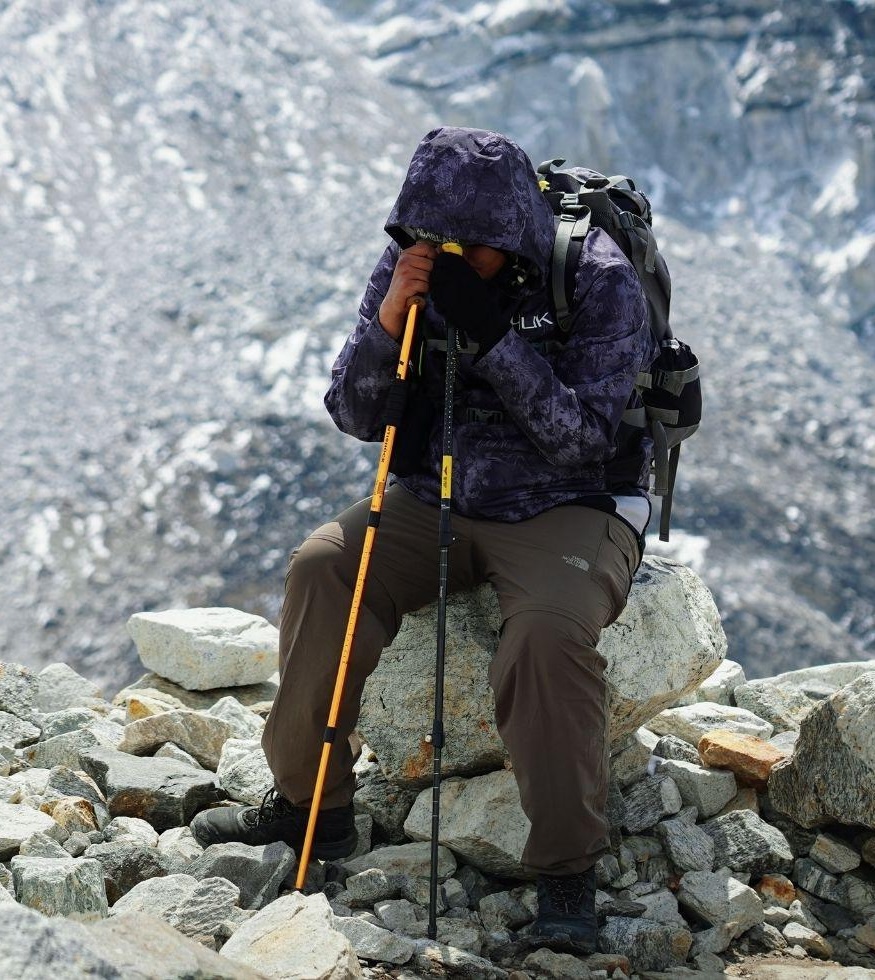
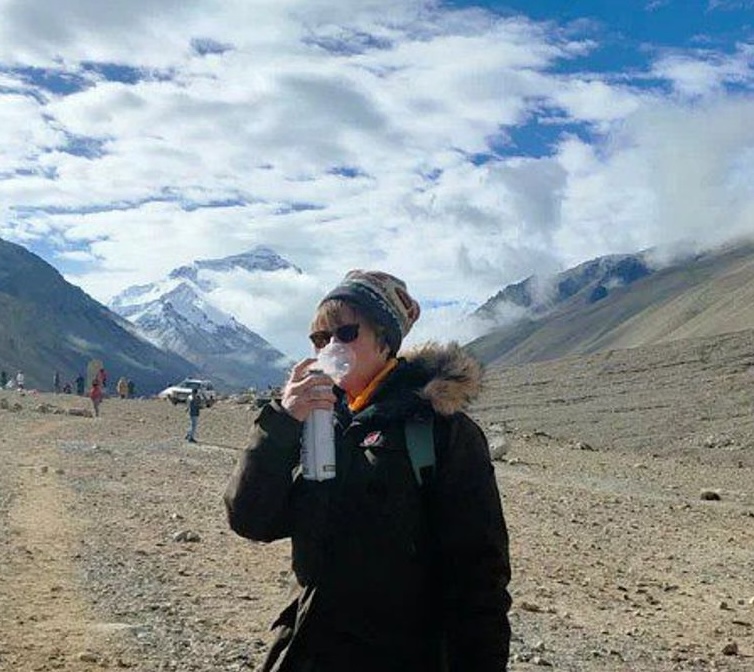
The Nun Peak Expedition is a 20-day mountaineering journey that starts and ends in Leh, Ladakh. The itinerary includes acclimatisation, the drive through Suru Valley, trekking to Base Camp, climbing rotations, summit attempt, reserve days, and the return to Leh.
Nun Peak is suitable for experienced mountaineers who have previously climbed 6,000-metre or higher peaks. Participants should be confident in glacier travel and experienced in using crampons, an ice axe, harness, ascenders, descenders, and fixed ropes.
Nun Peak is one of the most demanding 7,000-metre expeditions in India. The climb involves glaciers, crevasses, steep snow and ice slopes, fixed rope sections, and climbing in extreme high-altitude conditions. Strong technical climbing skills and excellent physical fitness are essential.
The best time for the Nun Peak Expedition is from early July to early September, when weather conditions are generally stable, glaciers are safer to travel on, and summit opportunities are at their best.
Climbers usually spend 10 to 12 days above Base Camp, including acclimatisation rotations through Advanced Base Camp (ABC), Camp I, Camp II, and the final summit push.
Yes. Before ascending to higher camps, our guides conduct practical glacier training at Base Camp. Training includes crampon walking, ice axe techniques, fixed rope climbing, self-arrest, rope handling, and glacier safety.
Supplemental oxygen is not normally required for climbing Nun Peak. However, it can be arranged on request at an additional cost for climbers who prefer extra support.
Summit success depends on weather, snow conditions, acclimatisation, fitness, and team performance. Our carefully planned itinerary, experienced climbing guides, and reserve days help maximise the chances of a safe and successful summit.
On a clear day, the summit offers magnificent panoramic views of Kun Peak, the Nun Kun Massif, the Zanskar Range, the Suru Valley, the Parkachik Glacier, and countless snow-covered Himalayan peaks across Ladakh and Kashmir.
Altitude Adventure provides experienced expedition leaders, certified climbing guides, high-altitude support staff, cooks, porters, and complete logistical support. We also provide quality camping equipment, meals, communication devices, fixed ropes, and technical climbing hardware throughout the expedition.
Our itinerary includes dedicated reserve days to allow flexibility in case of bad weather or poor mountain conditions. If conditions improve, climbers can make another summit attempt.
Yes. Every participant must have comprehensive travel insurance that covers high-altitude mountaineering above 7,000 metres, emergency helicopter evacuation, medical treatment, and repatriation.
Most expeditions establish Base Camp, Advanced Base Camp (ABC), Camp I, and Camp II. The final summit climb is generally made from Camp II.
Excellent physical fitness is essential. Climbers should have strong cardiovascular endurance, leg strength, and previous high-altitude experience. Summit day can involve 10 to 15 hours of continuous climbing in demanding conditions.
The expedition requires an Indian Mountaineering Foundation (IMF) climbing permit, local administration permits, and other permissions required by the authorities. Altitude Adventure manages all necessary expedition permits for our clients.
Altitude Adventure has extensive experience organising high-altitude expeditions in Ladakh and the Indian Himalayas. Our expeditions are led by experienced mountaineering professionals and supported by a skilled local team. We focus on safe acclimatisation, reliable logistics, quality equipment, nutritious meals, and personalised support to give climbers the best possible chance of successfully and safely summiting Nun Peak (7,135 m).
Climbers should bring personal technical mountaineering equipment, including double or triple-layer mountaineering boots, crampons, an ice axe, climbing harness, helmet, ascenders, descenders, carabiners, trekking poles, glacier sunglasses, a high-altitude sleeping bag, down clothing, and other personal gear suitable for climbing above 7,000 metres. A detailed equipment checklist will be provided after booking.
Like any high-altitude expedition, Nun Peak involves risks such as Acute Mountain Sickness (AMS), HAPE, HACE, extreme cold, strong winds, snowfall, crevasses, avalanches, and rapidly changing weather. Our experienced guides follow strict safety protocols, monitor acclimatisation closely, and make conservative decisions to ensure the safety of all team members.
Preparation should begin at least 3–6 months before the expedition. Climbers should focus on endurance training, strength exercises, hiking with a loaded backpack, cardiovascular fitness, and technical mountaineering practice. Previous experience on 6,000-metre peaks is strongly recommended before attempting Nun Peak.
Nun Peak is considered one of the best preparation climbs for aspiring 8,000-metre expeditions. Its high altitude, glacier travel, multiple high camps, technical snow and ice climbing, and expedition-style approach provide valuable experience for climbers planning future ascents of peaks such as Everest, Manaslu, Cho Oyu, or other Himalayan giants.