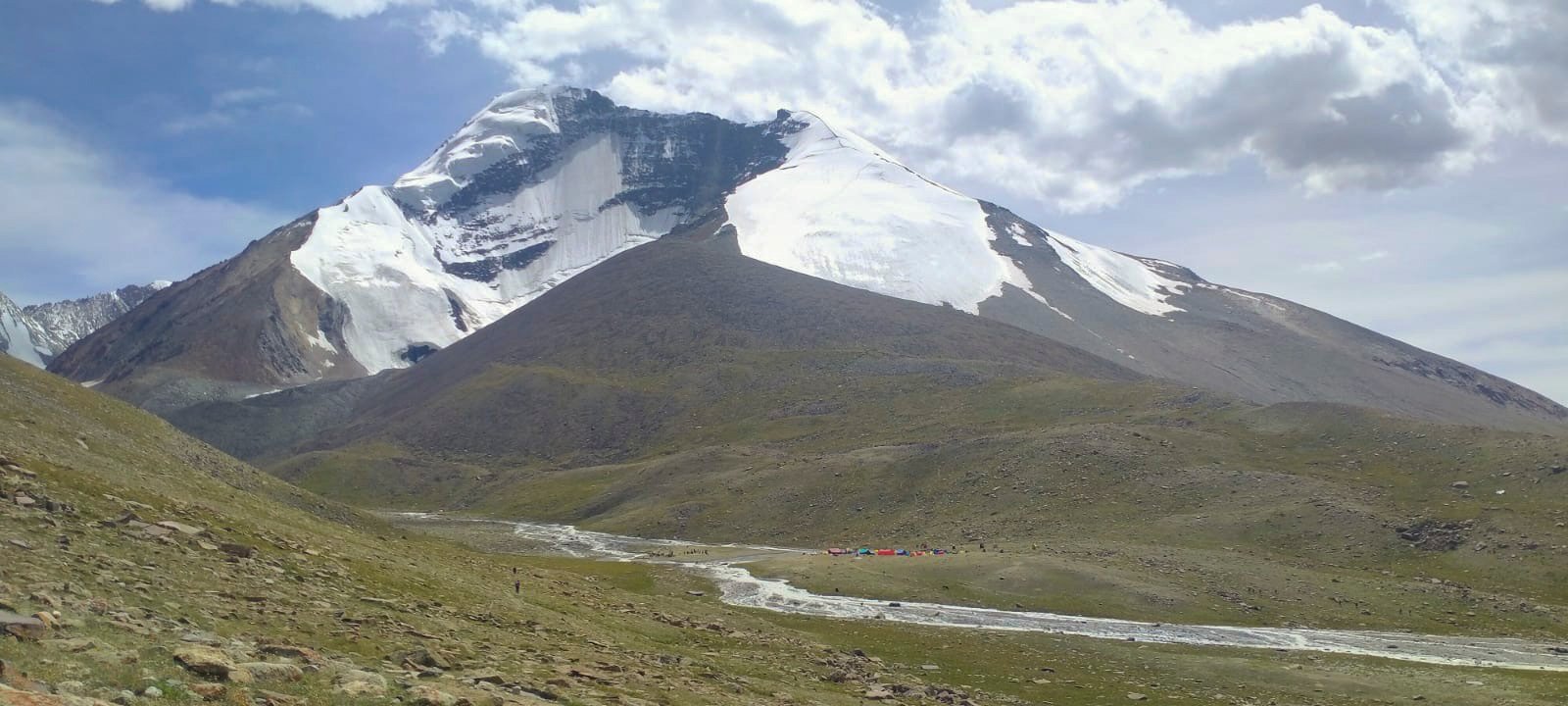
Kang Yatse I (6,400 m / 20,997 ft) stands as one of the finest technical mountaineering objectives in Ladakh and an outstanding introduction to serious Himalayan climbing above 6,000 metres. Located deep within the spectacular Markha Valley inside Hemis National Park, the mountain forms the higher and more demanding of the twin summits of the Kang Yatse massif. While Kang Yatse II is a popular non-technical trekking peak, Kang Yatse I requires solid prior high-altitude experience, confident glacier travel, and the ability to climb steep snow and ice slopes (typically 45–55°), mixed rock sections, and exposed ridges using fixed ropes, crampons, ice axe, harness, and ascenders.
The expedition is far more than a summit climb. It begins with careful acclimatization in the historic town of Leh before entering one of the most beautiful trekking corridors in the Indian Trans-Himalaya. The approach follows the classic Markha Valley route through ancient Buddhist villages, colourful monasteries, willow-lined streams, traditional stone houses, barley fields, and vast alpine meadows, all set against the dramatic, arid landscapes of Hemis National Park. Wildlife sightings may include blue sheep (bharal), ibex, marmots, golden eagles, and occasionally more elusive species.
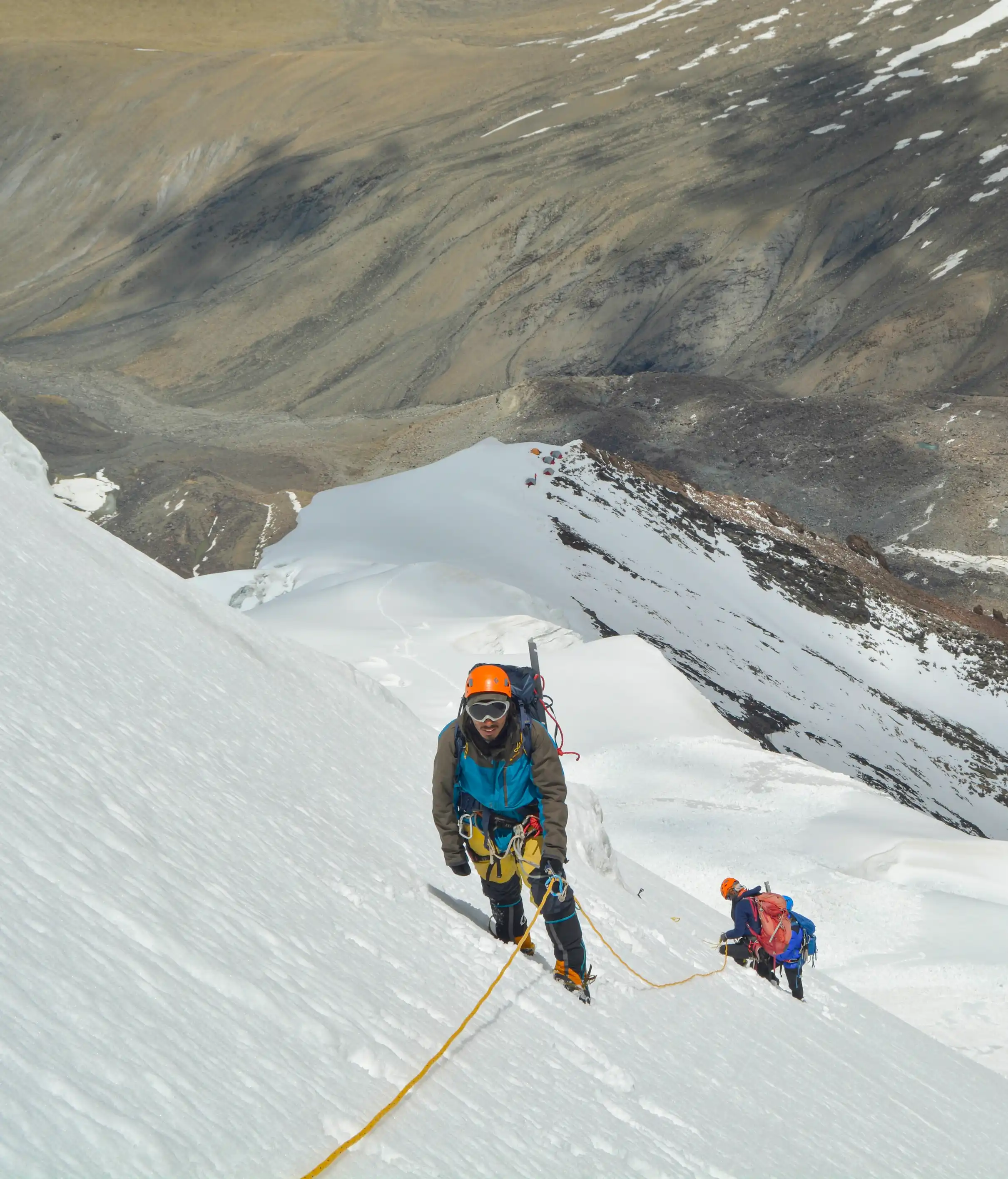
From the last permanent settlement at Hankar, the itinerary now includes an additional high-altitude acclimatization stop at the famous Nimaling plateau before reaching Kang Yatse Base Camp. This progressive approach significantly improves acclimatization and safety. At Base Camp, climbers undergo route-opening and load-ferrying work to Advanced Base Camp, followed by the technical summit push. The climb itself involves glacier travel, steep snow slopes, fixed-rope sections, mixed terrain, and a final narrow summit crest.
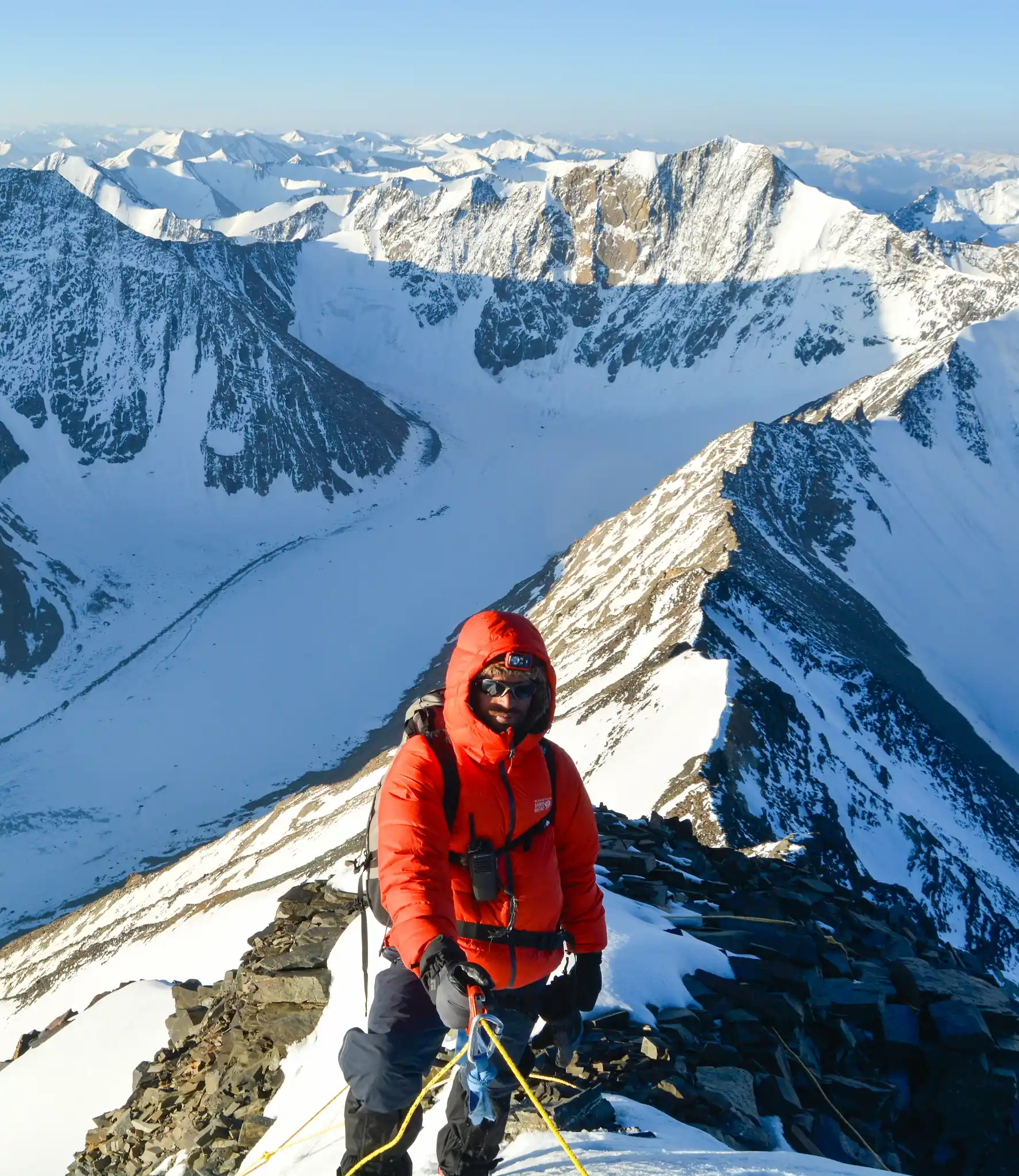
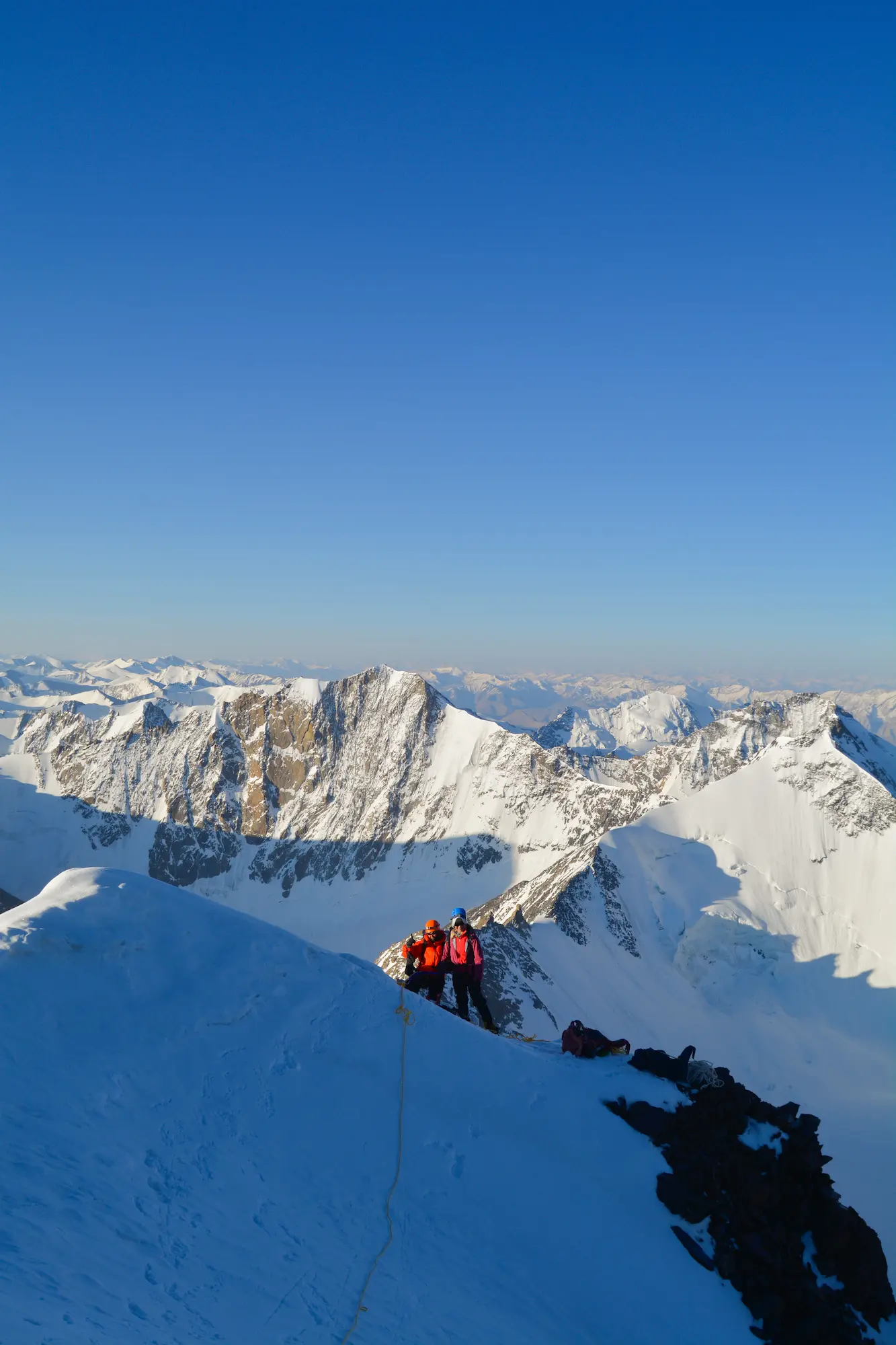
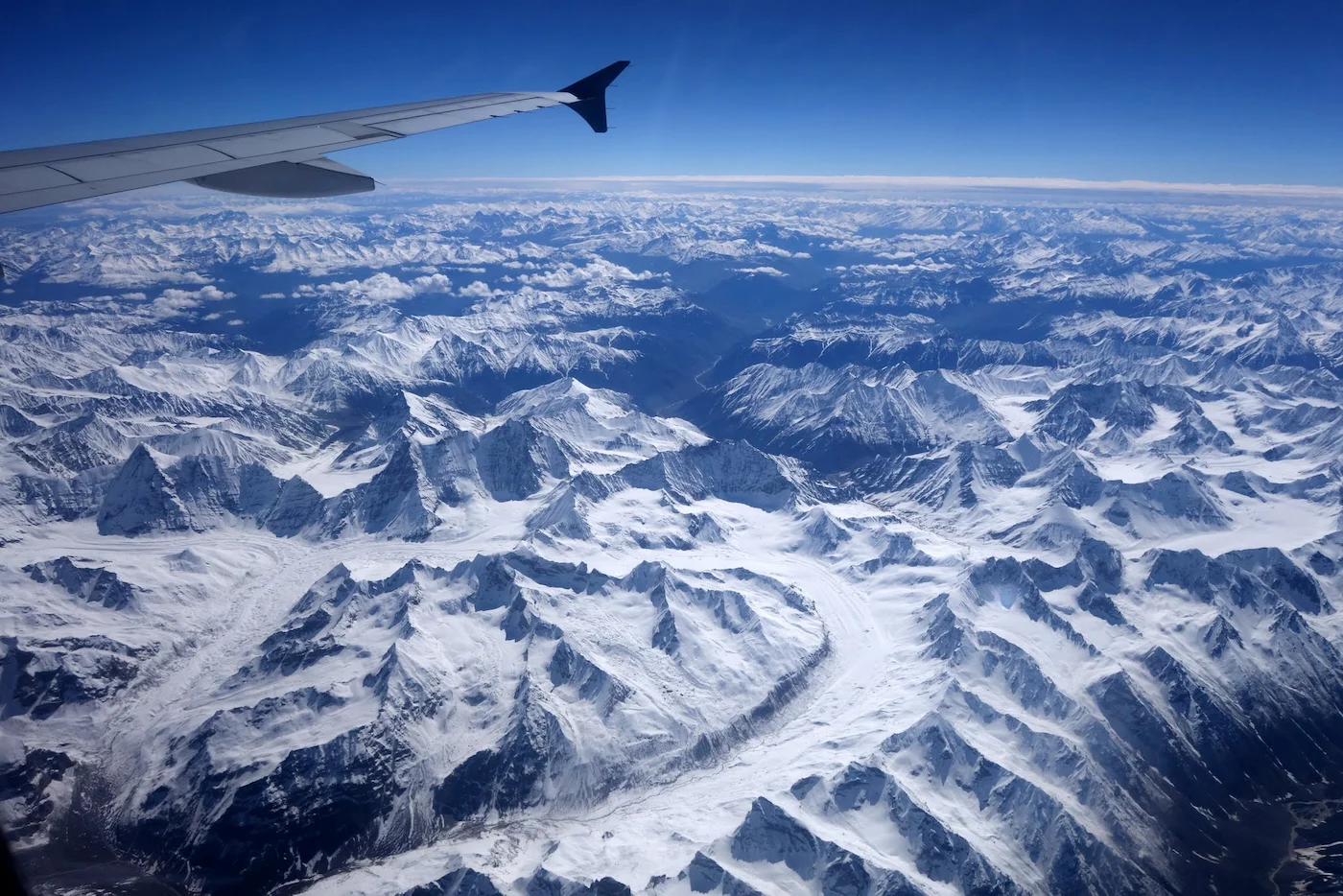
From the summit, climbers are rewarded with one of the most spectacular panoramic views in Ladakh: the Zanskar Range, Karakoram peaks, Stok Range, Gia Kangri, Dzo Jongo, Chamser & Lungser Kangri, Kakstet Peak, Kangju Kangri, and countless other Himalayan giants stretching across the Trans-Himalaya and Eastern Karakoram.
This expedition is recommended for experienced high-altitude trekkers and climbers who have previously completed trekking peaks or basic mountaineering courses and are ready to progress to their first technical 6,000-metre Himalayan climb.
Key Facts
Peak Name: Kang Yatse I
Elevation: 6,400 m (20,997 ft)
Latitude: 33.138° N | Longitude: 77.661° E
Region: Markha Valley, Hemis National Park, Ladakh, India
Mountain Range: Ladakh Range, Trans-Himalaya
Nearest Village: Hankar
Nearest Town: Leh (approx. 70 km by road to trek start)
Approach: Skiu (Hamurja) – Markha – Hankar – Nimaling – Kang Yatse Base Camp
Duration: 12 days
Trip at a Glance
Key details for this adventure
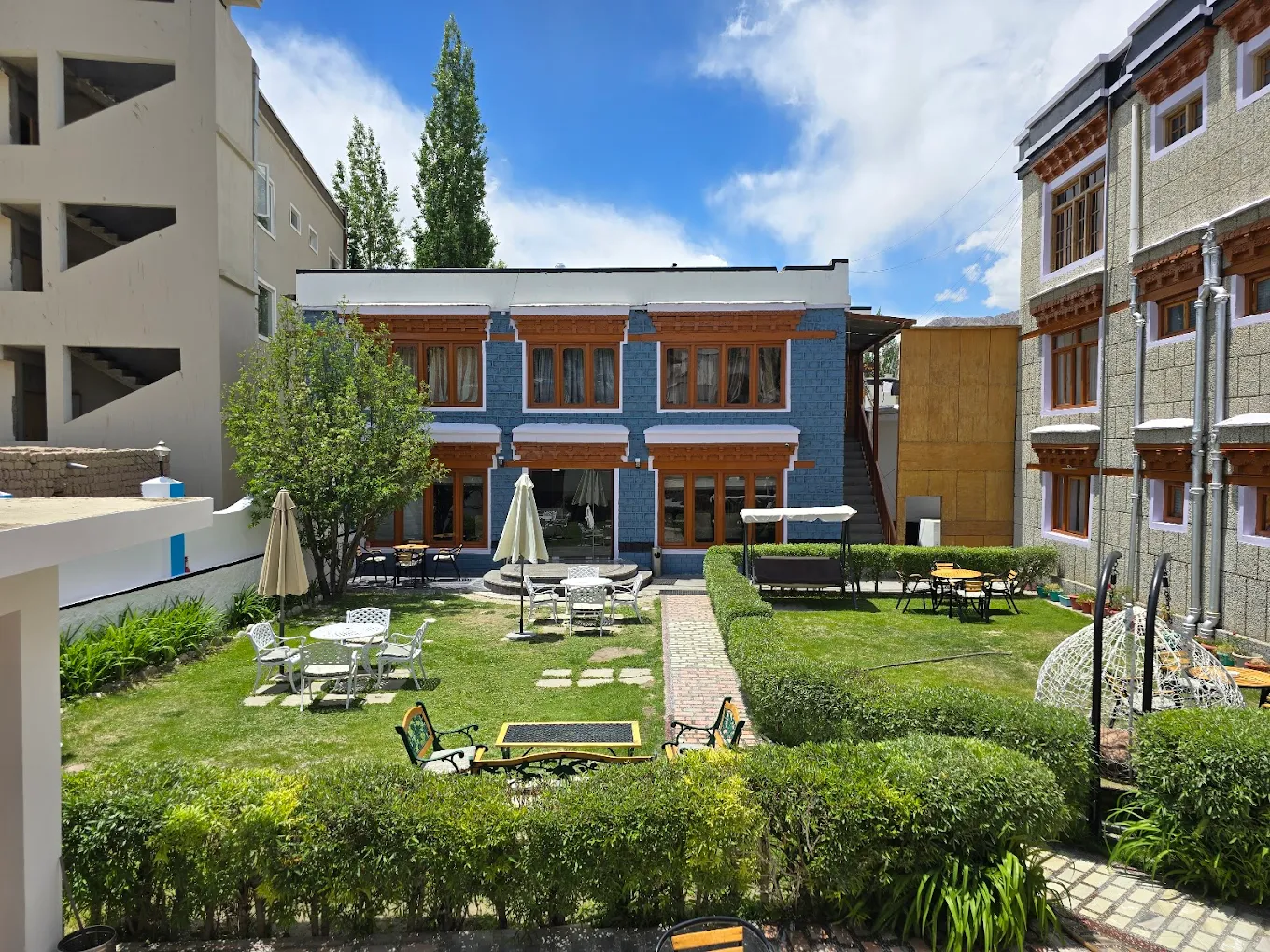
Upon arrival at Kushok Bakula Rimpochee Airport, the Altitude Adventure expedition team welcomes you and transfers you to your hotel in Leh (15–20 minutes). Having arrived directly at approximately 3,500 m, the entire day is dedicated to rest and initial acclimatization. Avoid unnecessary walking, drink plenty of fluids, refrain from alcohol and smoking, and eat light meals.
In the evening the expedition leader conducts a detailed briefing covering the full programme, route, weather, altitude sickness awareness, emergency procedures, communication systems, environmental practices, and team responsibilities. A thorough equipment check of all technical climbing gear is also carried out.
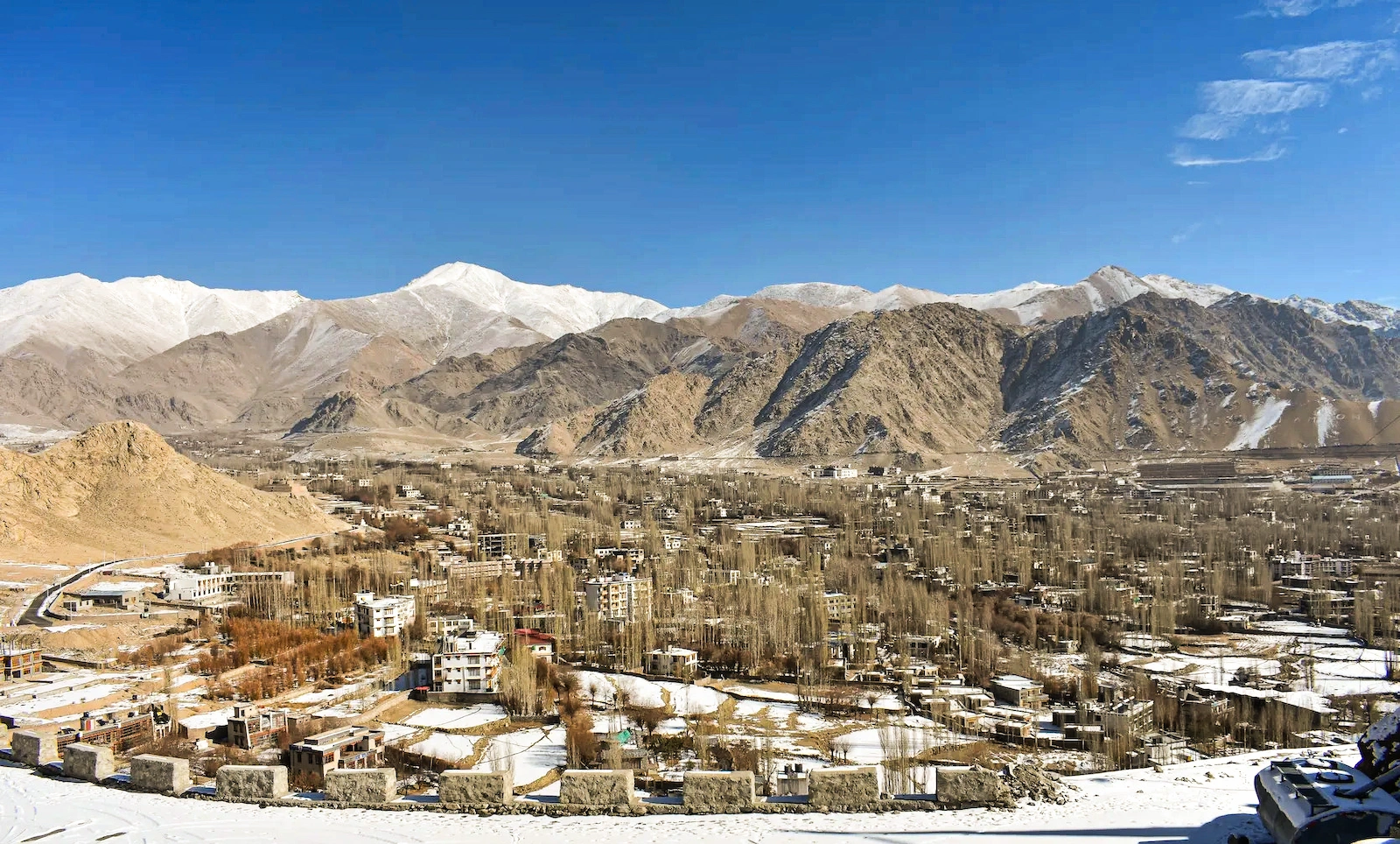
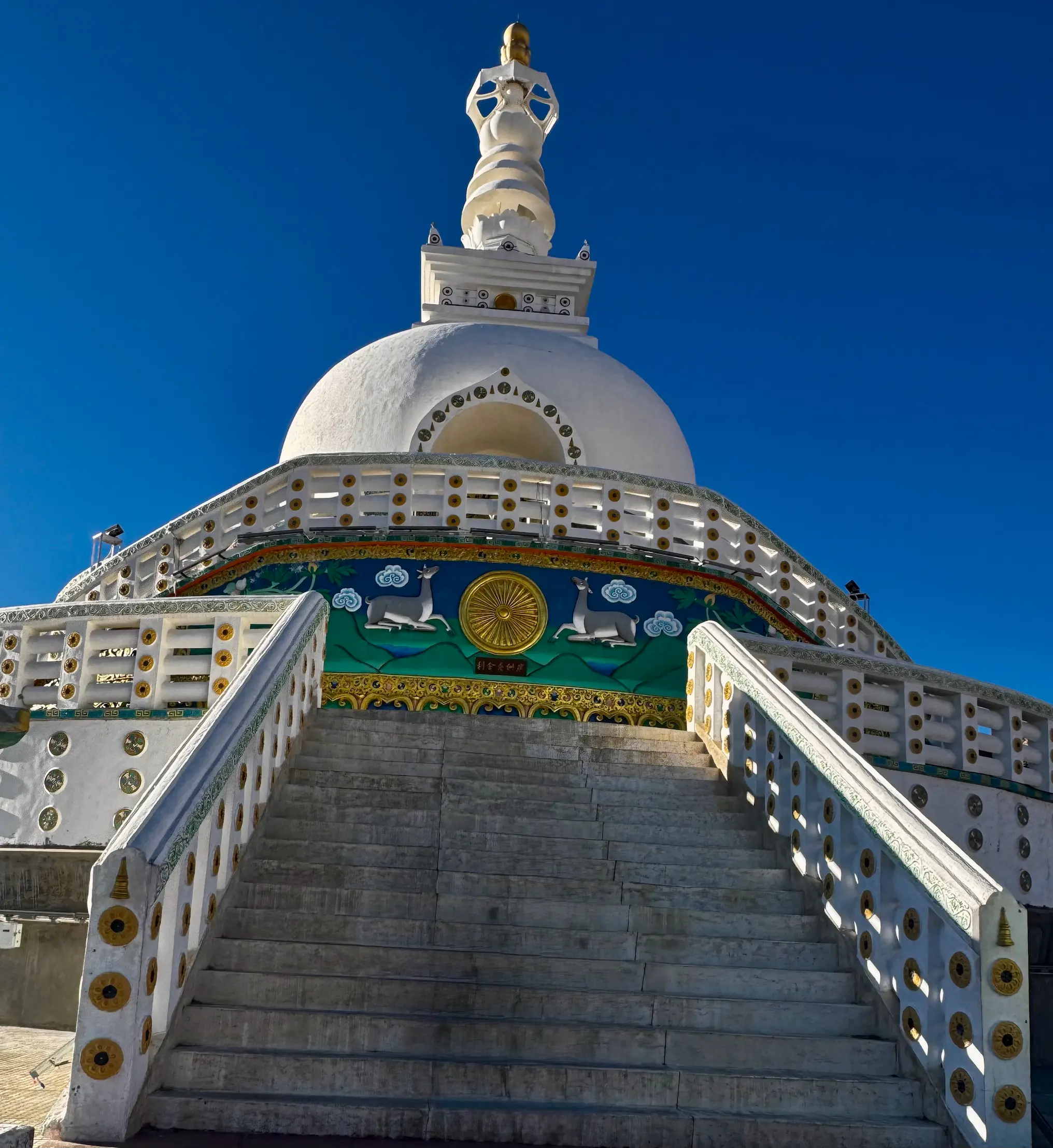
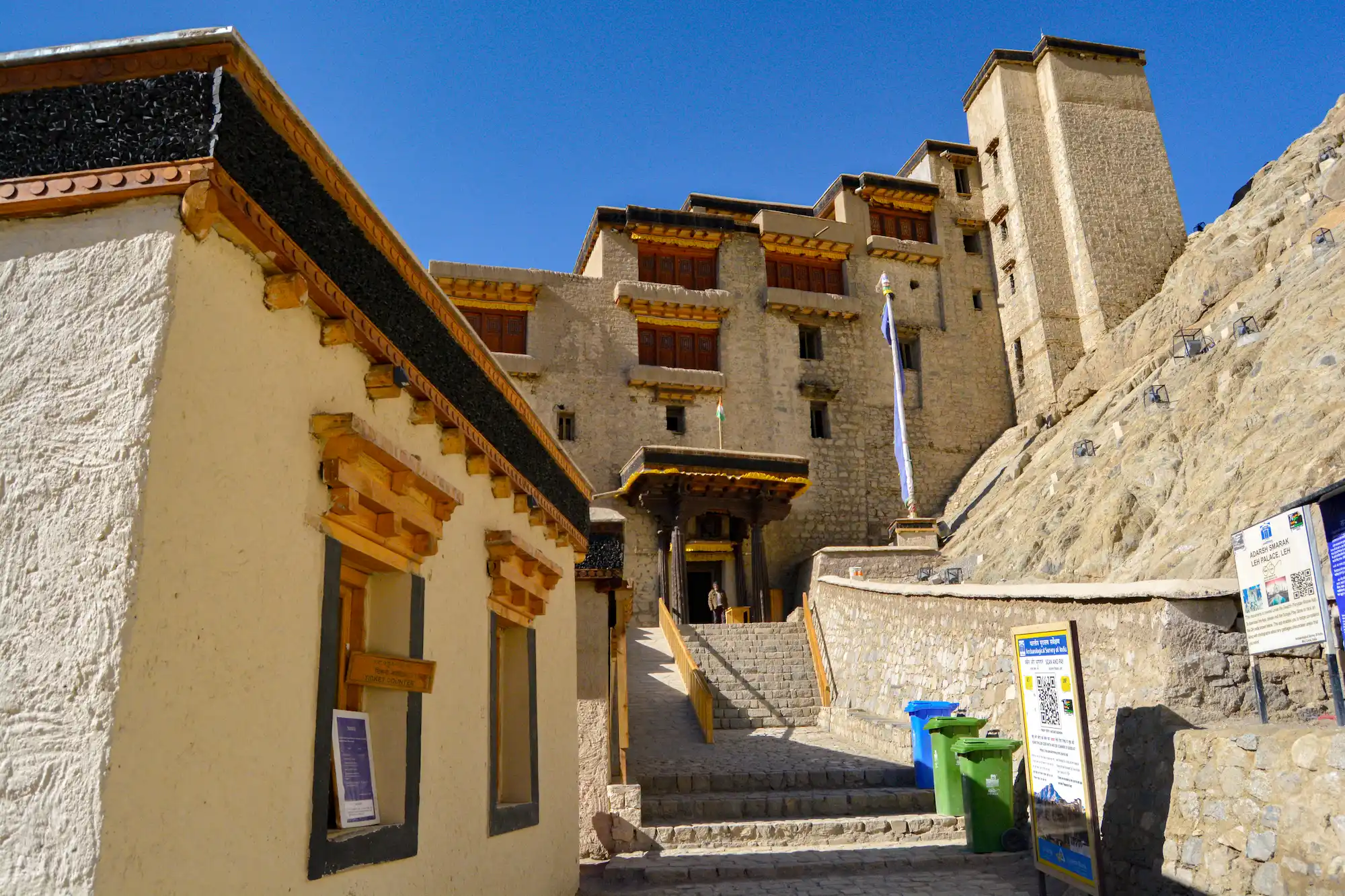
After breakfast an easy acclimatization hike is undertaken to Shanti Stupa or Leh Palace, offering panoramic views over Leh, the Indus Valley, Stok Kangri, and the surrounding Ladakh Range.
The afternoon is devoted to a complete equipment inspection. Guides carefully check boots, crampons, harnesses, helmets, ice axes, ascenders, descenders, ropes, sleeping bags, down clothing, and other essential gear. Missing or unsuitable items can be rented or purchased in Leh. A practical demonstration on the correct use of technical equipment is also provided.
Early breakfast is followed by a scenic drive west along the Indus River to Skiu (Hamurja), the gateway to the Markha Valley (65–70 km, 2.5–3 hours). The drive passes traditional Ladakhi villages, ancient monasteries, and colourful prayer flags.
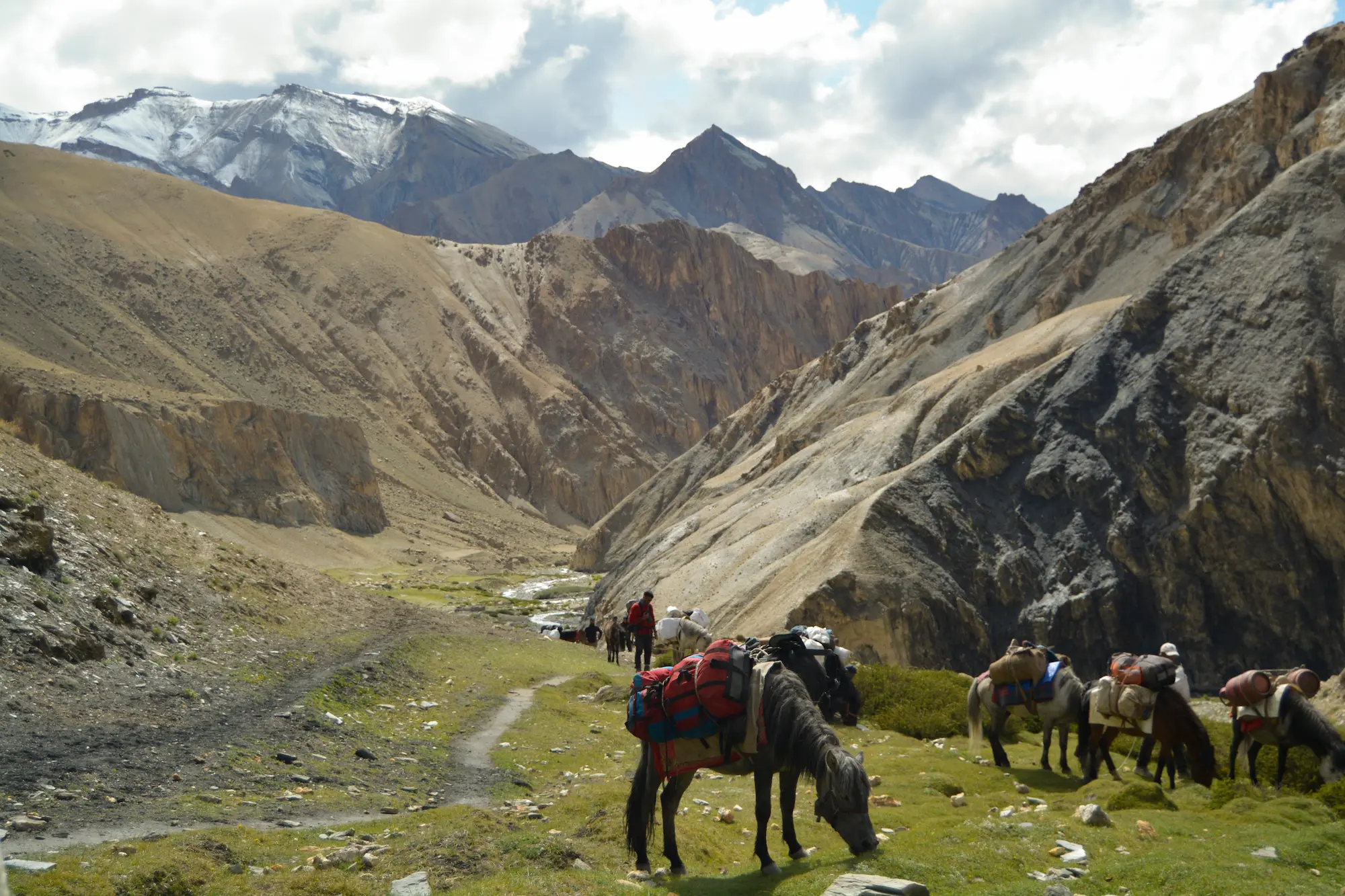
Trekking begins immediately. The well-defined trail follows the Markha River through willow groves, barley fields, wooden bridges, mani walls, prayer wheels, and small settlements, gradually entering Hemis National Park. Excellent opportunities exist to observe blue sheep, marmots, and golden eagles.
By late afternoon the team reaches Markha, one of the largest villages in the valley. Time is available to explore the old monastery and interact with local families.
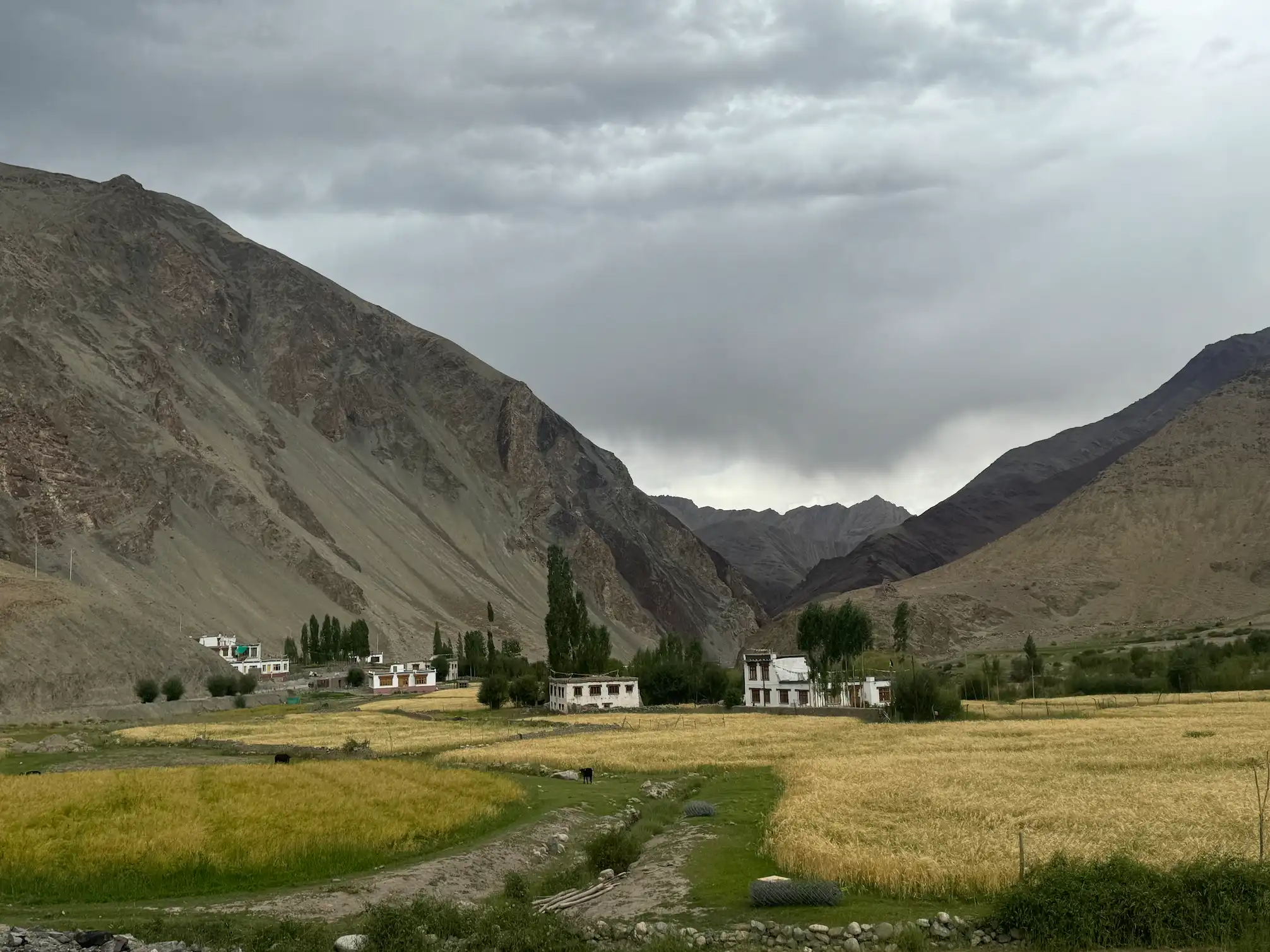
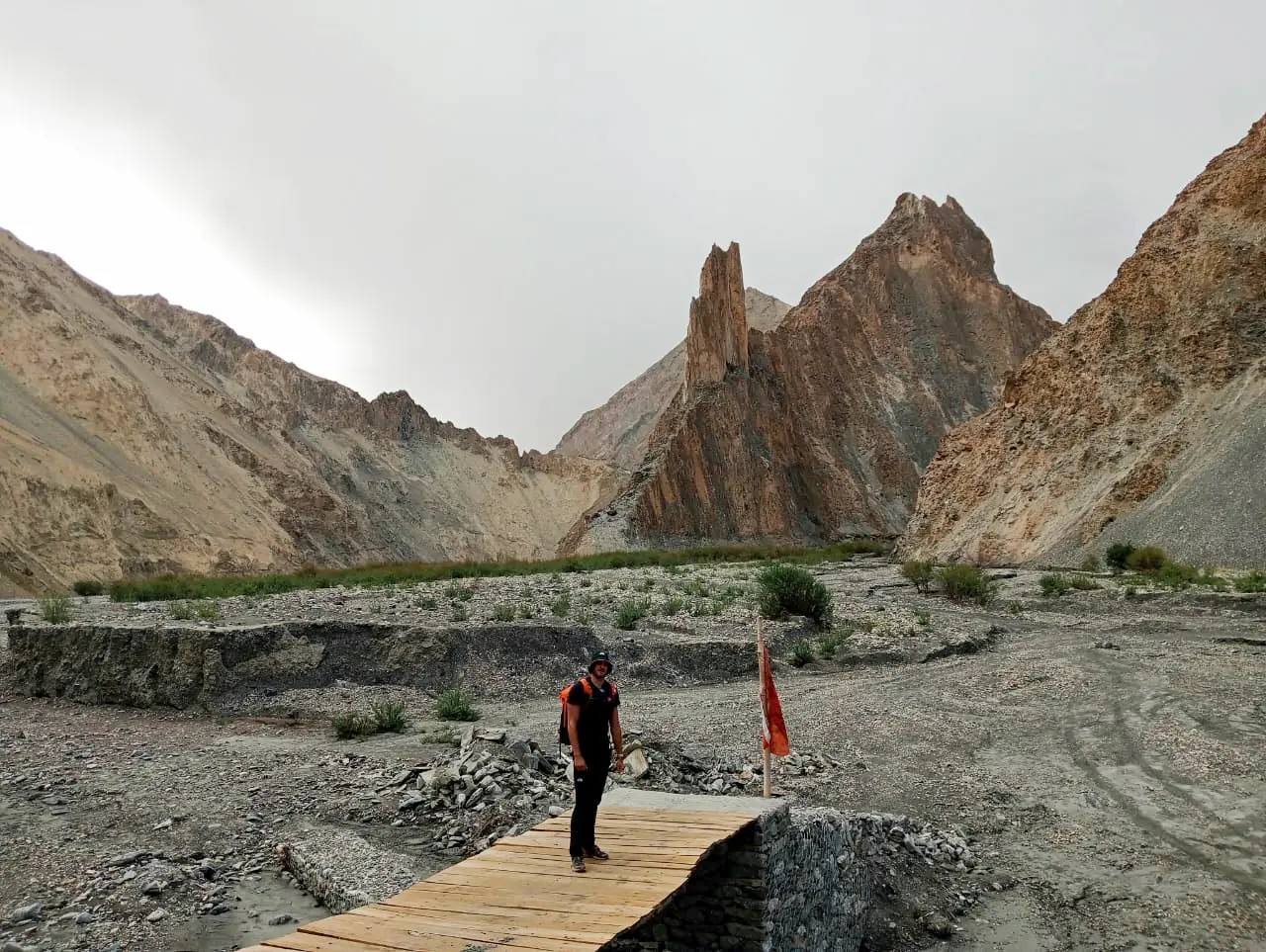
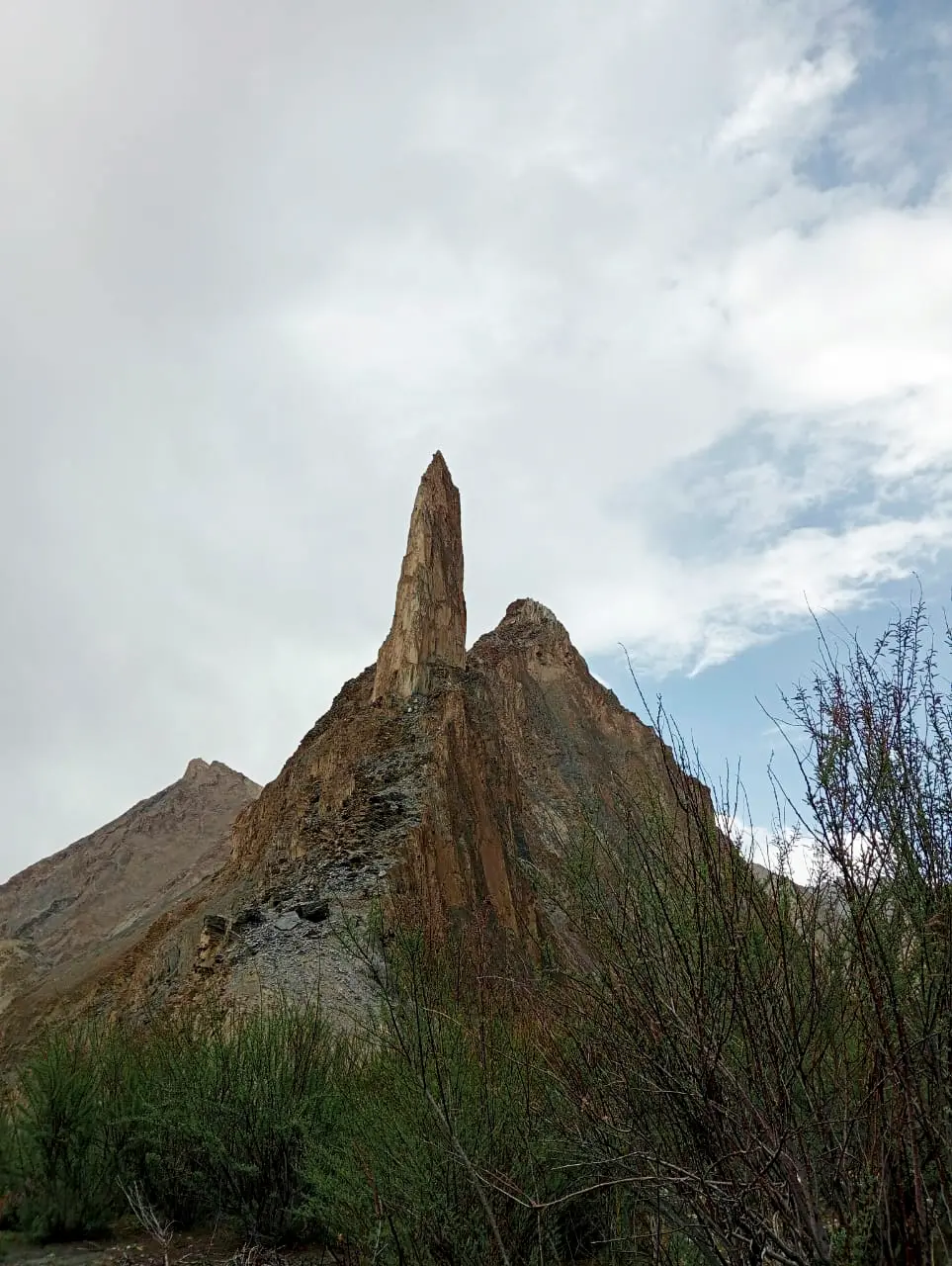
The trail continues upstream along the Markha River through one of the most scenic sections of the valley, crossing wooden bridges, passing ancient chortens, mani walls, grazing yaks, and small farming settlements.
Magnificent views of the twin summits of Kang Yatse appear for the first time, dominating the skyline. After 5–6 hours the team arrives at Hankar, the last permanent settlement before the high alpine zone. The afternoon is spent resting and enjoying sunset views of the mountain.
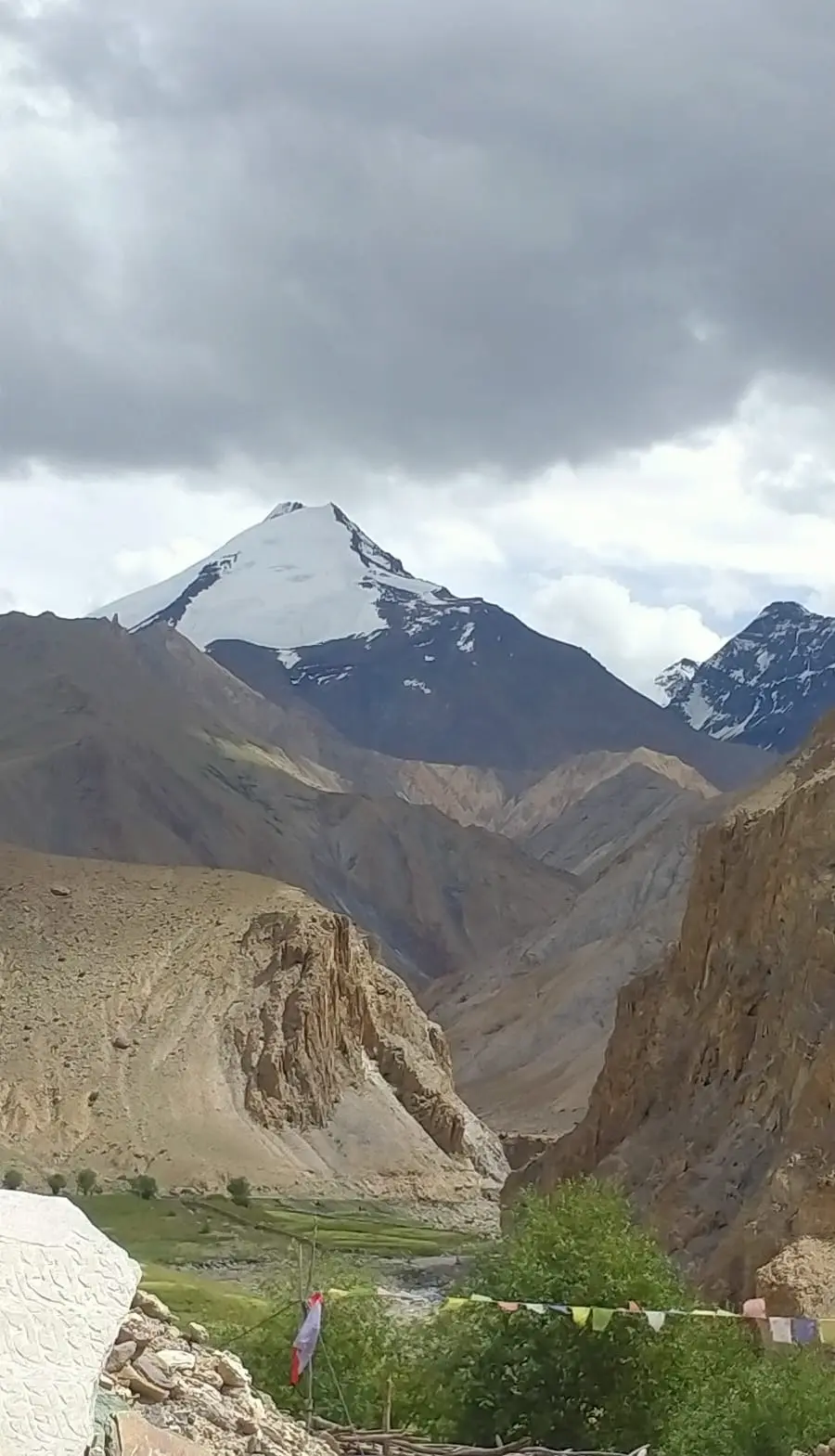
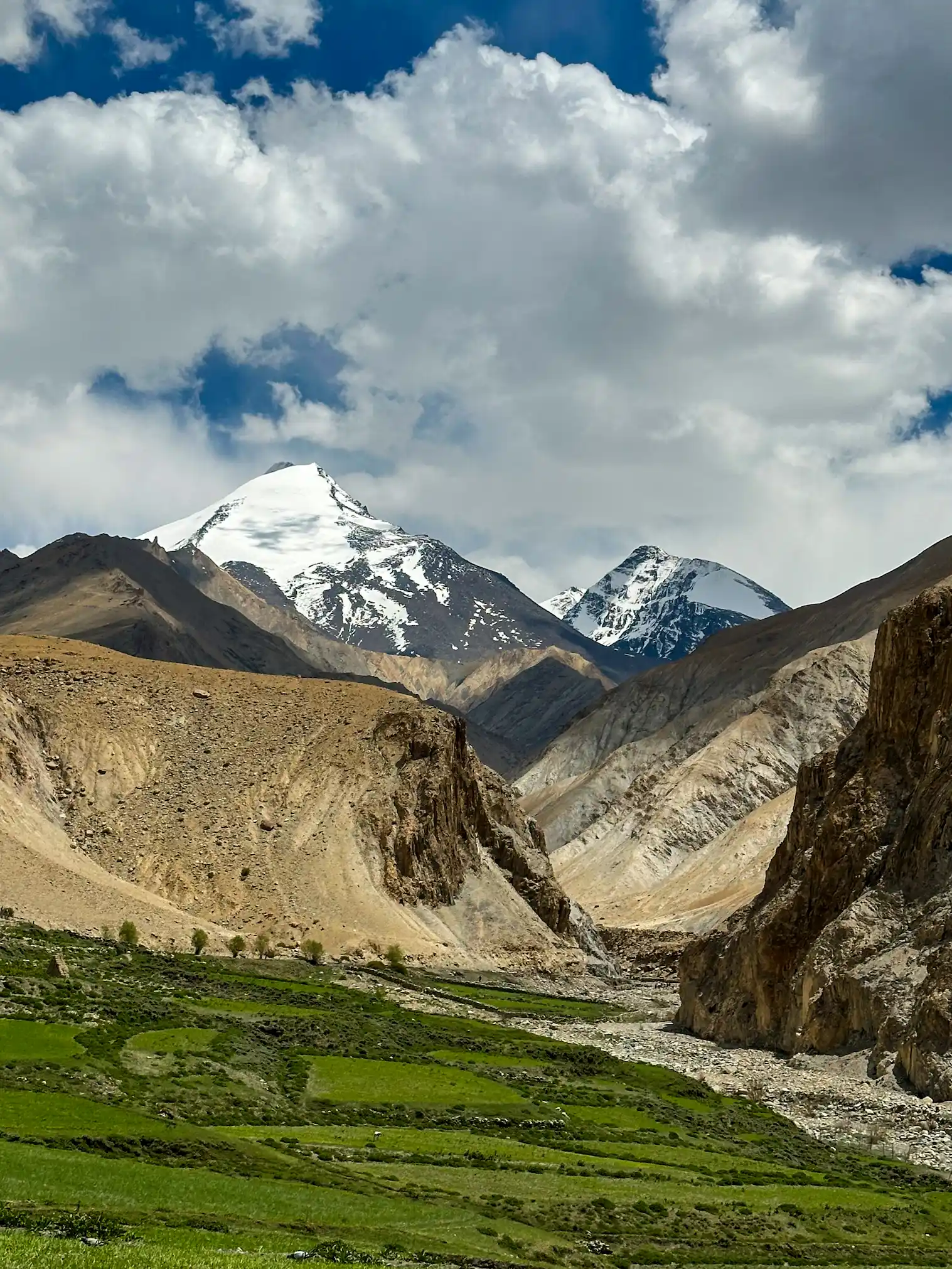
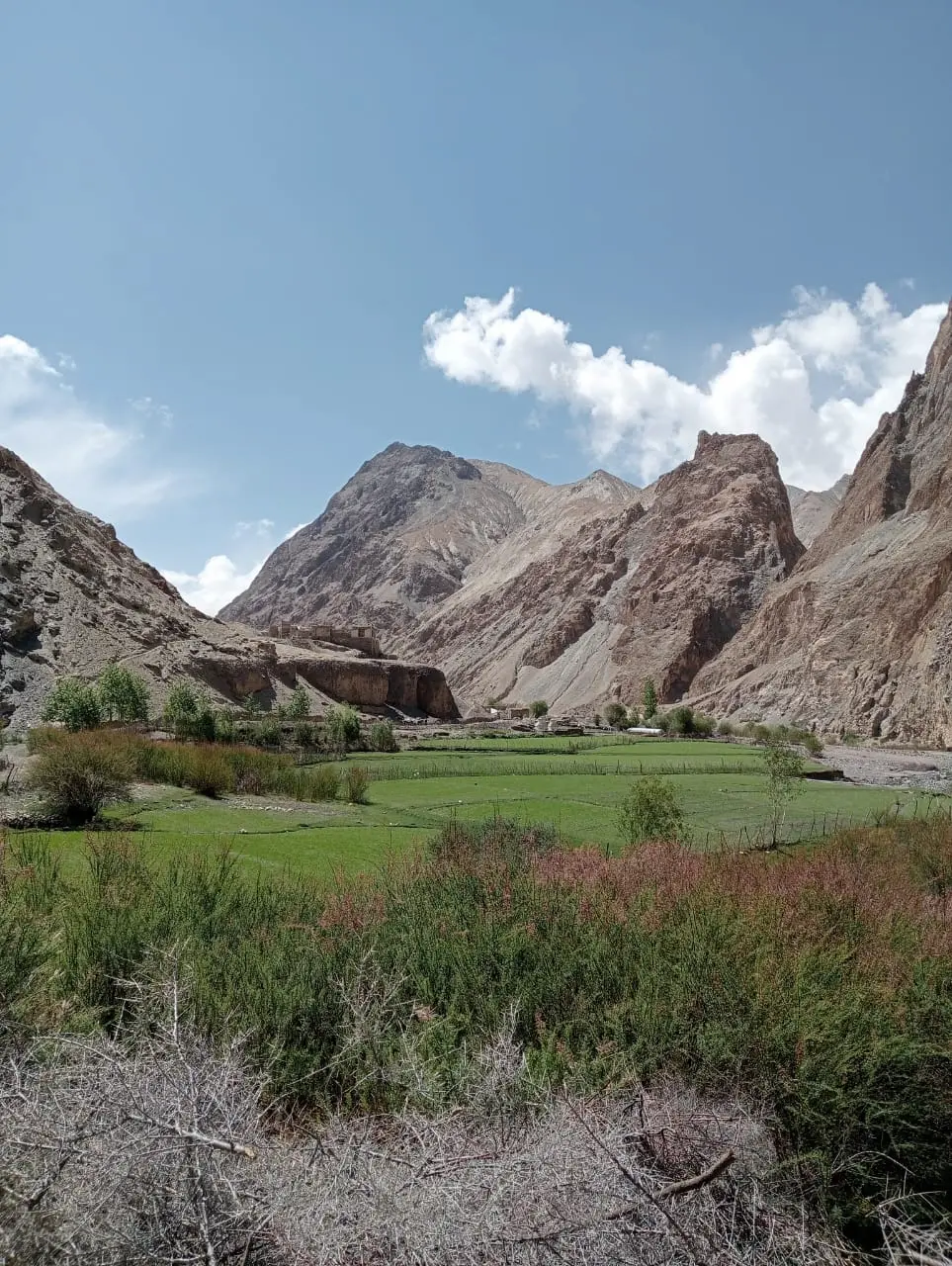
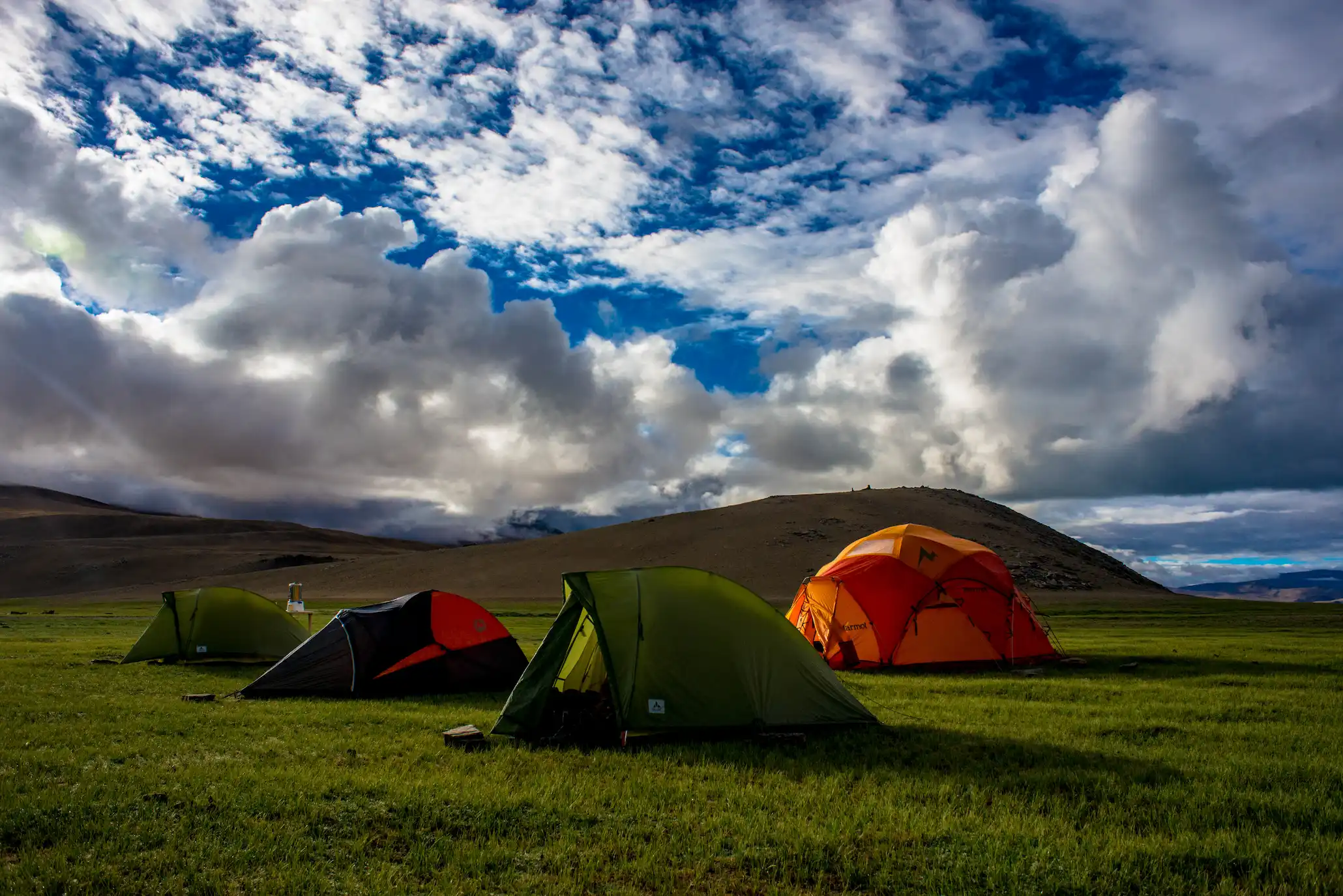
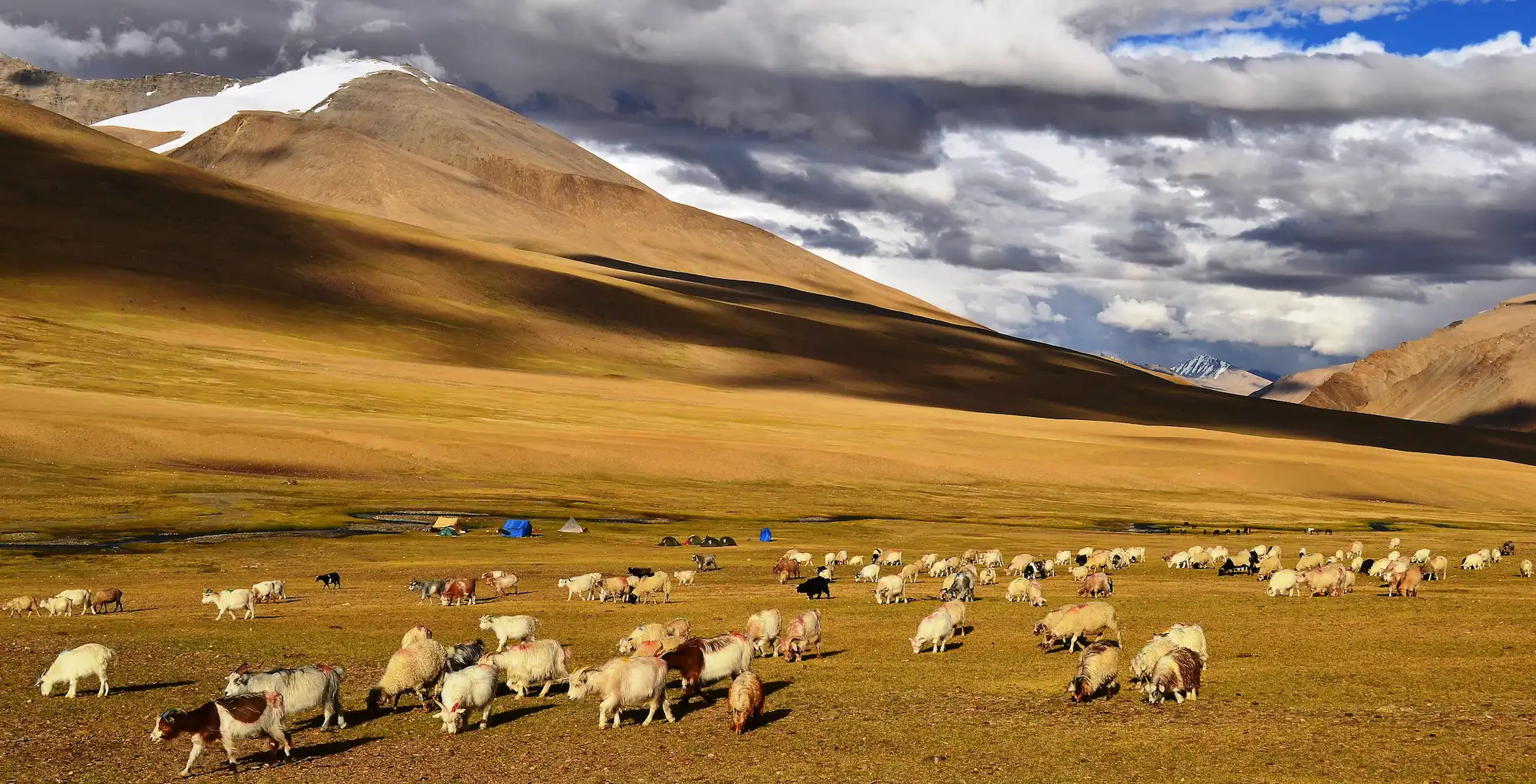
Leaving the inhabited valley, the trail climbs steadily through vast grazing grounds and open alpine meadows toward the famous Nimaling plateau. The landscape becomes increasingly dramatic, with the massive Kang Yatse massif filling the southern horizon.
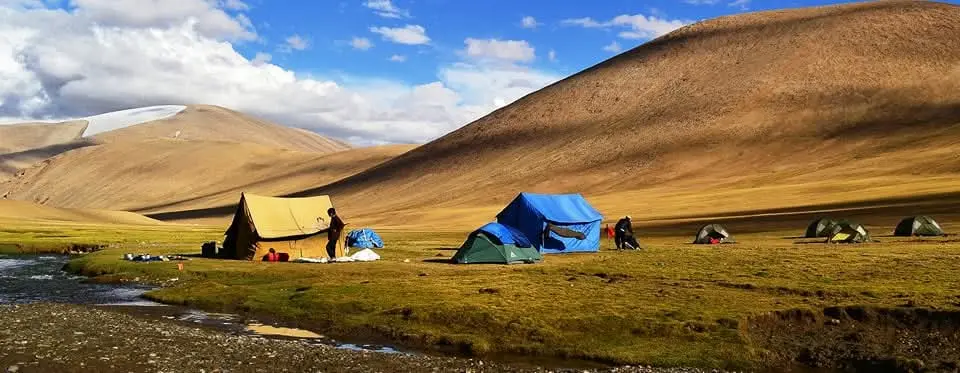
Nimaling is a broad, high-altitude pasture traditionally used by Changpa herders for yaks and pashmina goats. The campsite offers superb views of Kang Yatse I and II, Tigu Lakes, and the surrounding peaks. This additional night at intermediate altitude significantly improves acclimatization before the final push to Base Camp.
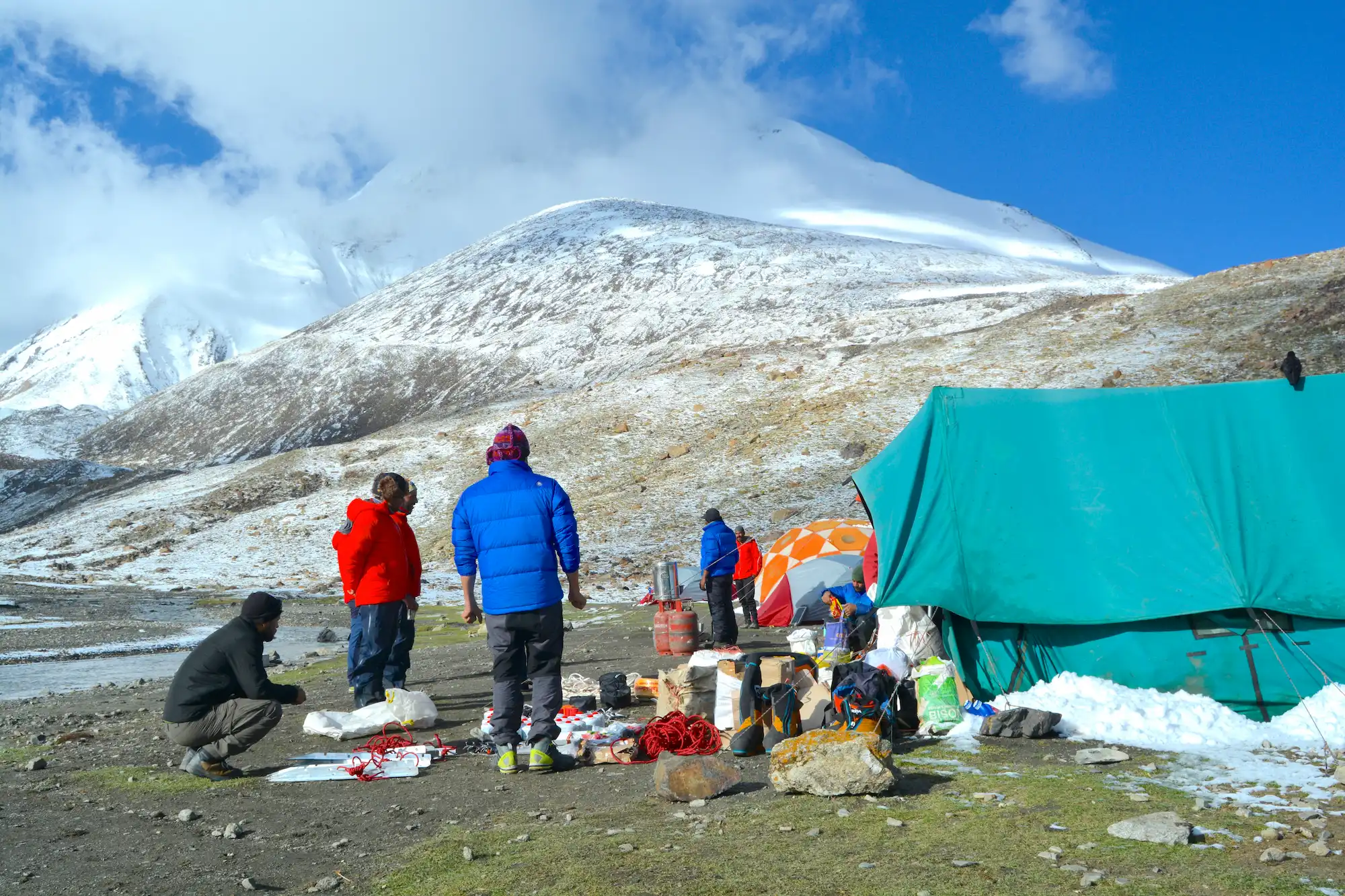
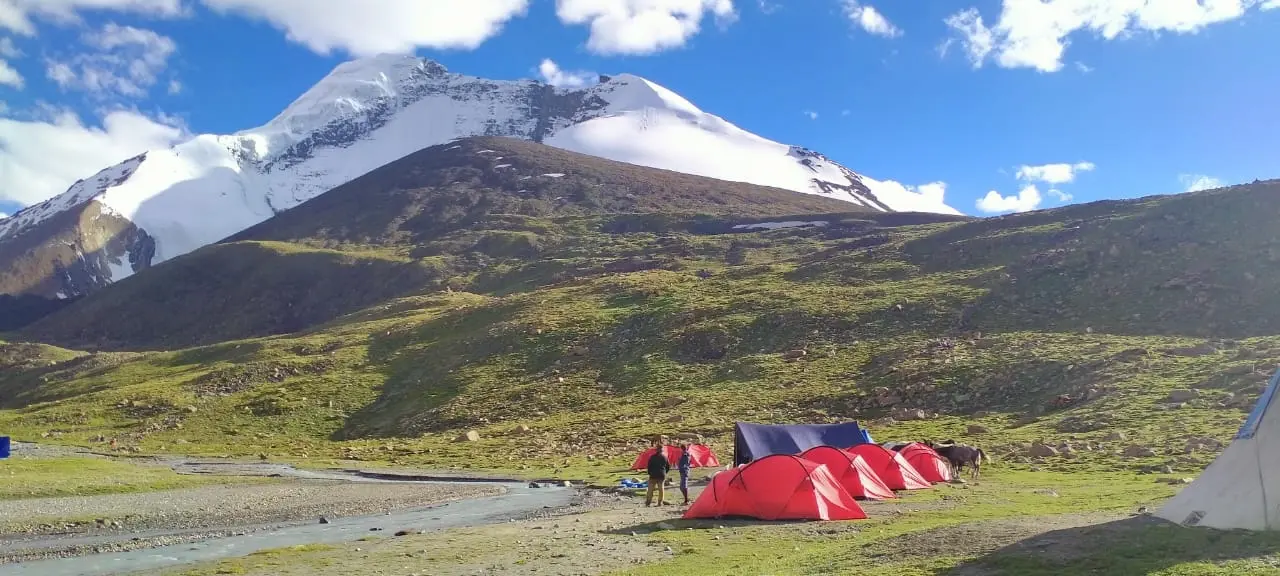
A relatively short but important day. The trail leaves the grassy Nimaling plateau and ascends through loose rocky moraine and glacial terrain toward Kang Yatse Base Camp. The mountain grows dramatically closer, and the environment becomes truly alpine.
Upon arrival the expedition team establishes Base Camp while participants rest, hydrate and begin organizing climbing equipment. The afternoon is used for sorting summit clothing, checking ropes and technical gear, and reviewing the climbing plan.
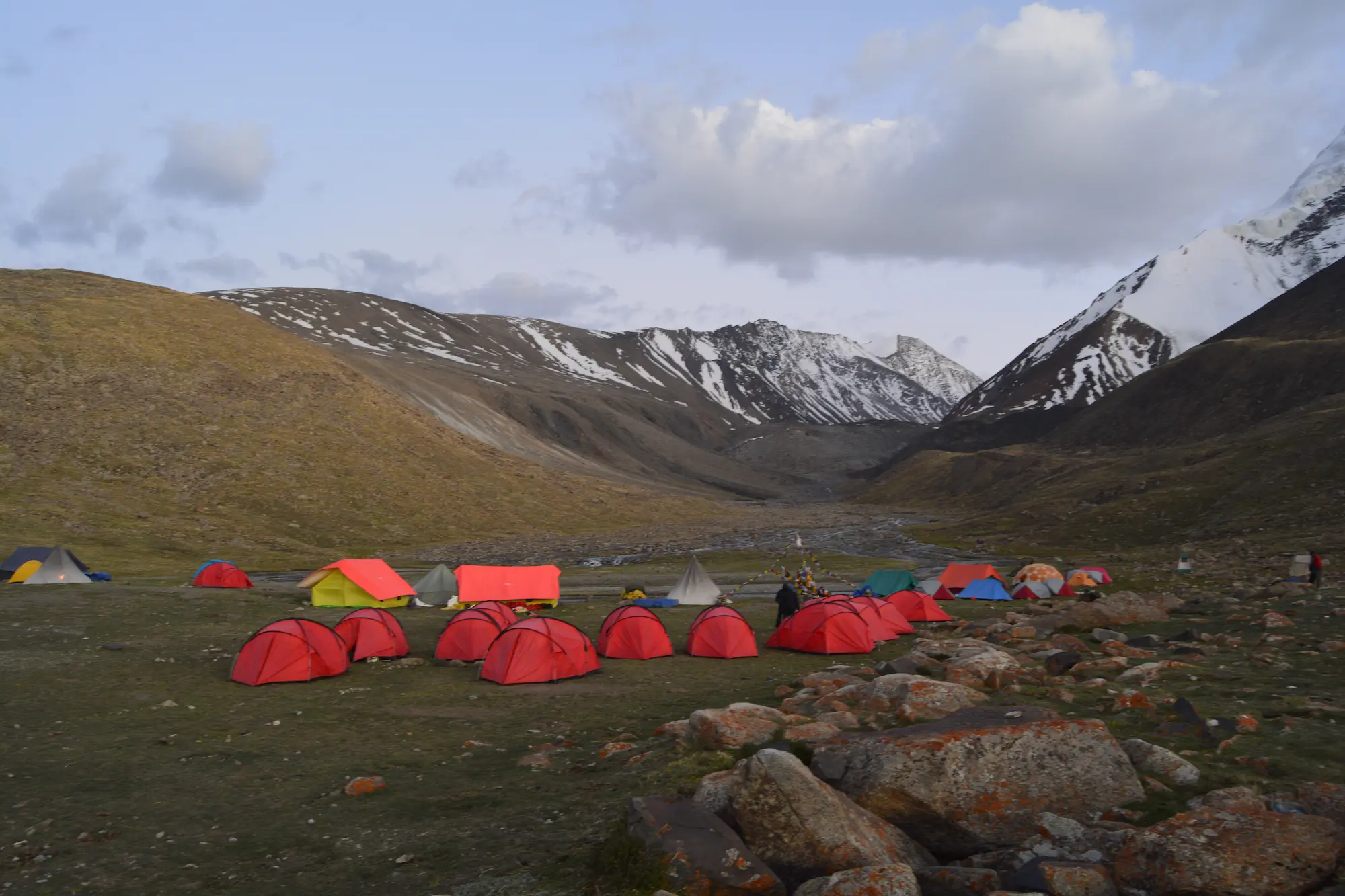
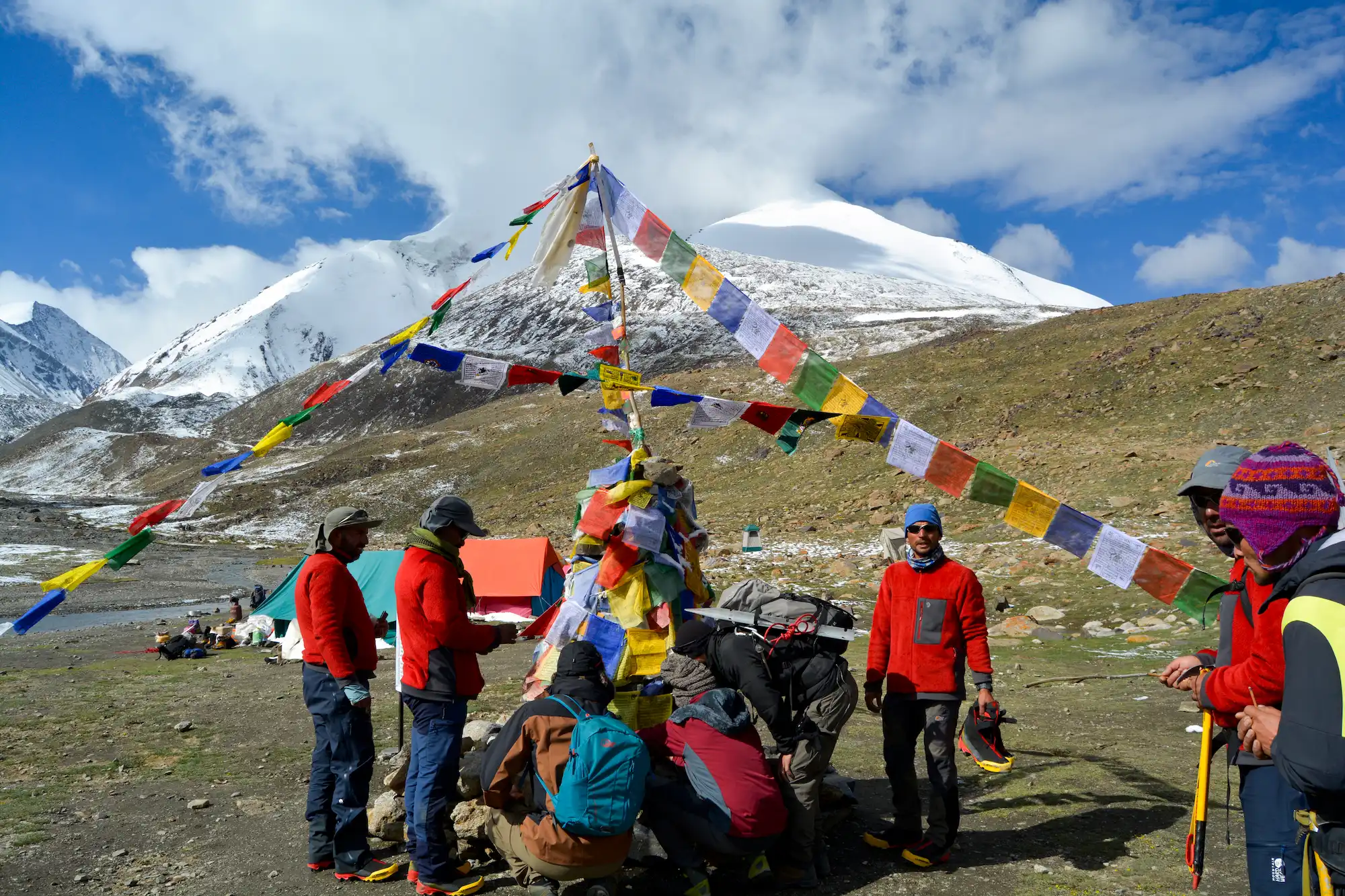
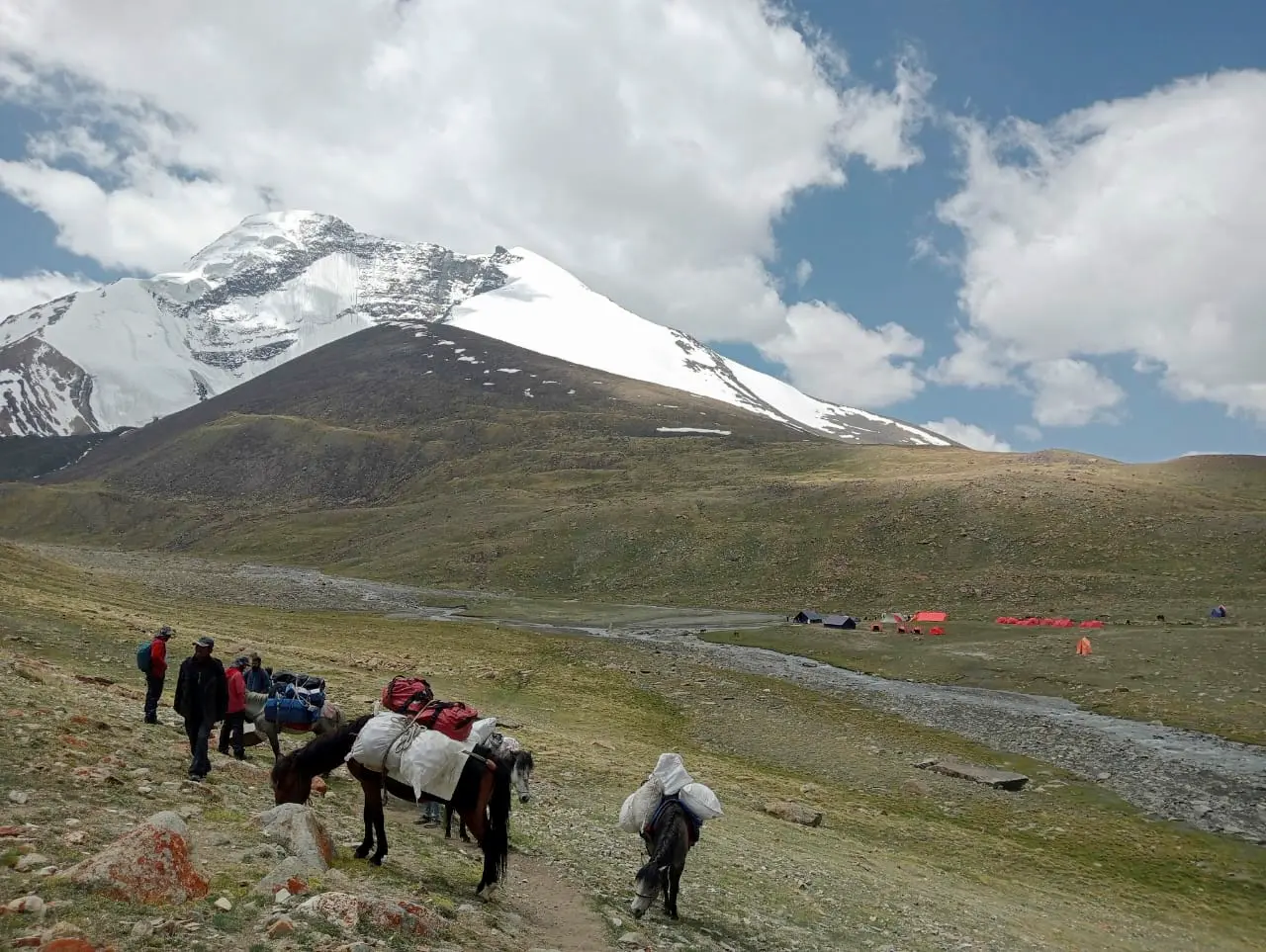
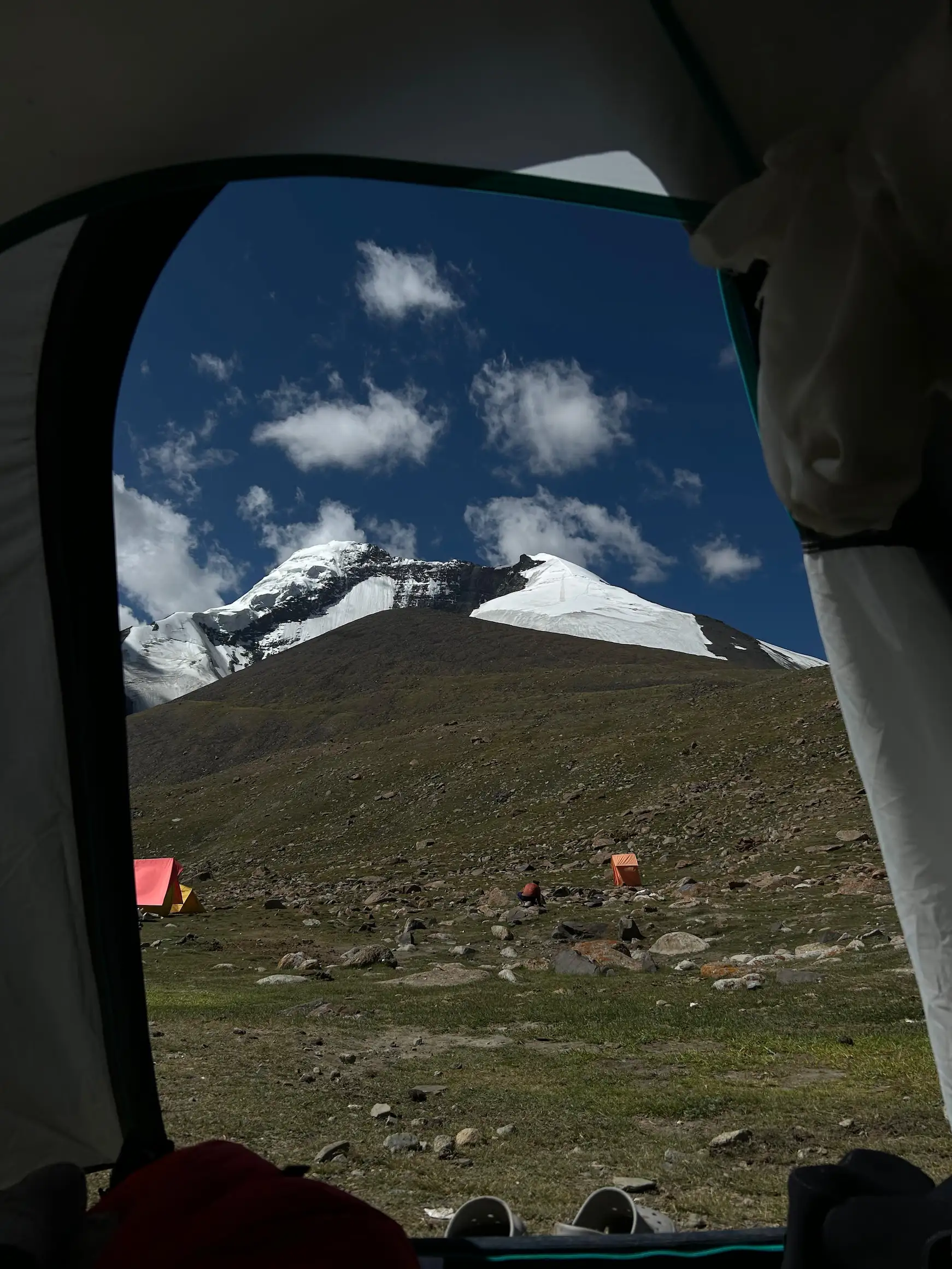
One of the most important operational days of the expedition. After breakfast the team carries out a load ferry toward Advanced Base Camp (approximately 5,700–5,800 m). Participants and guides open the route across glacial moraine and initial snow slopes, establishing the line, fixing necessary sections if required, and caching food, fuel, and equipment at the future high-camp site.
After depositing loads, the team returns to Base Camp for the night (climb high, sleep low). This day provides excellent acclimatization, allows the body to adapt to higher altitudes, and ensures that Advanced Base Camp is properly stocked for the summit push. Technical skills are practised throughout the day under guide supervision.
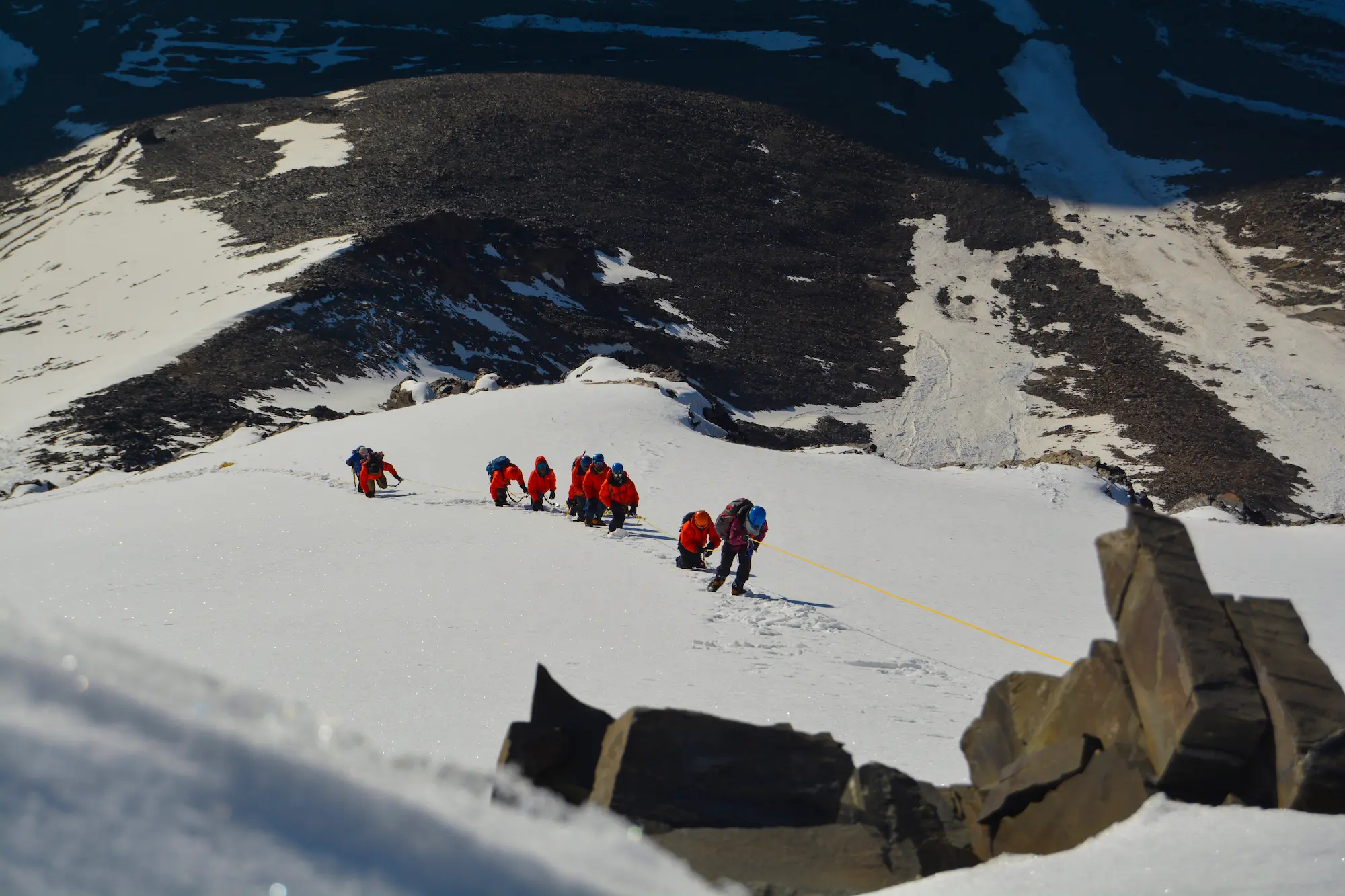
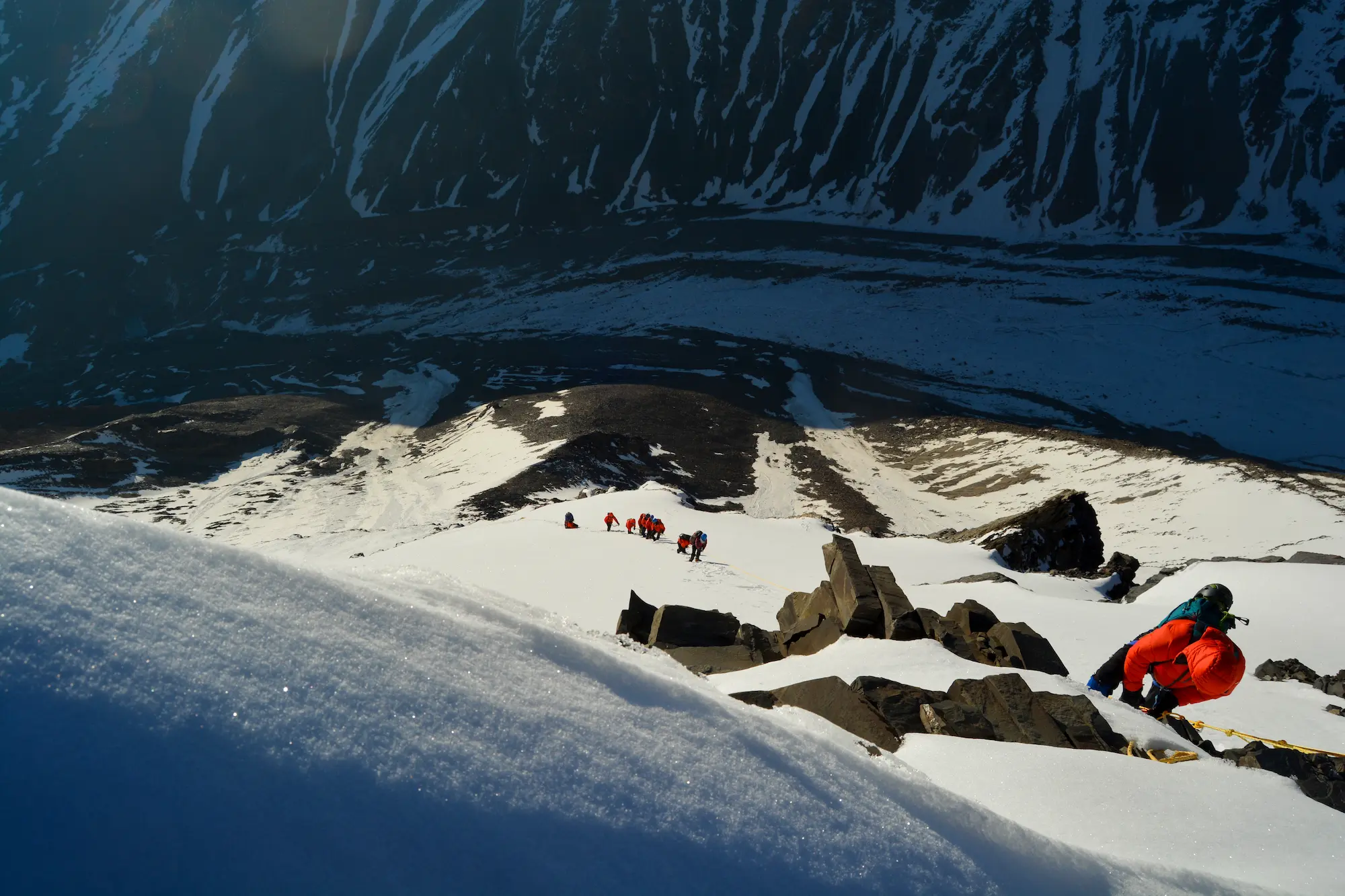
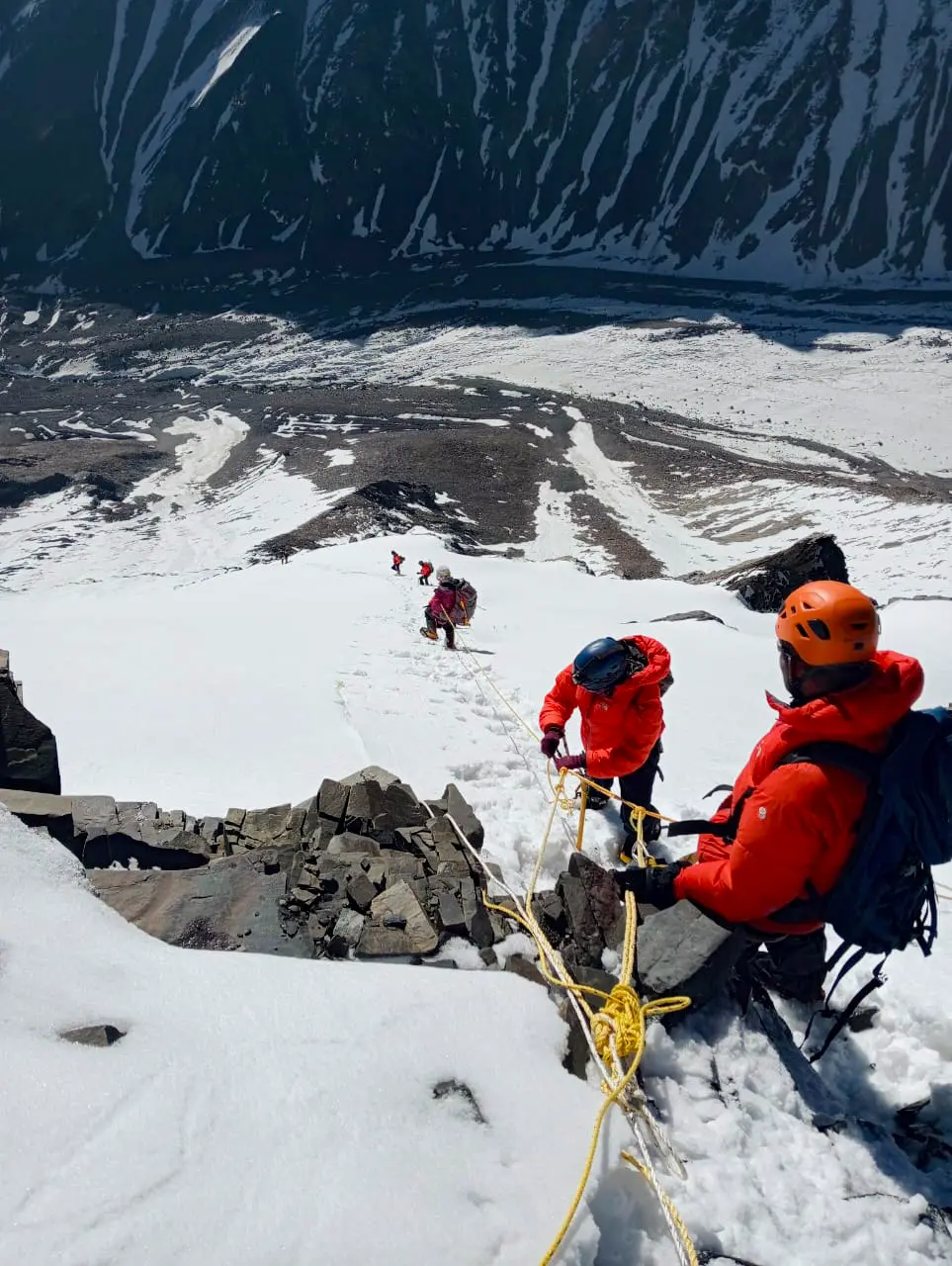
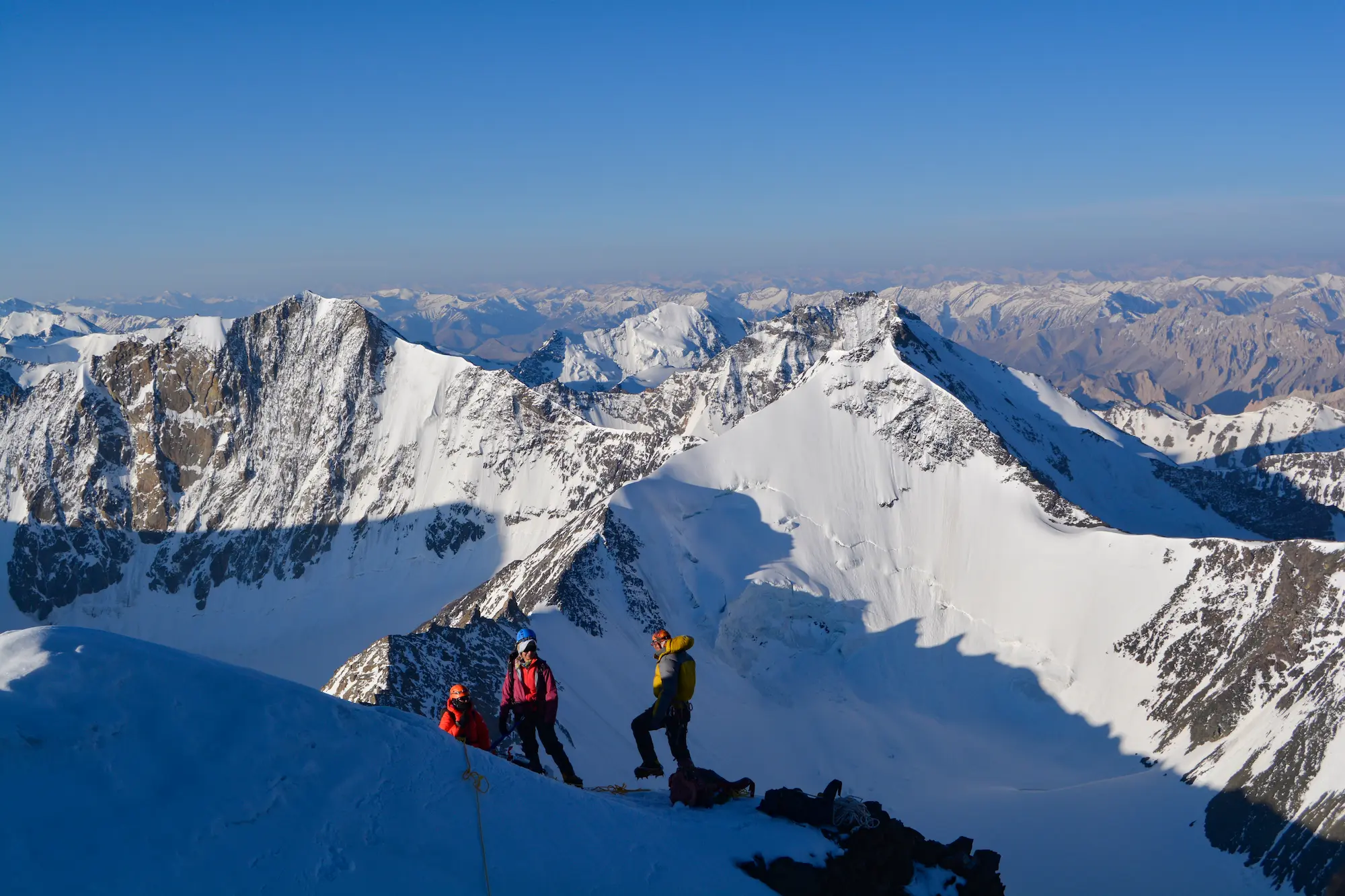
The team moves permanently to Advanced Base Camp. Helmets, crampons, harnesses, and full mountaineering equipment are used according to conditions. The route becomes steeper as the glacier is gained. Guides carefully monitor each participant’s pace and health.
Upon arrival, tents are established, snow is melted for water and high-energy meals are prepared. The expedition leader conducts the final summit briefing covering rope teams, climbing strategy, weather forecast, turnaround times, and emergency procedures. Participants retire early in preparation for the midnight summit start.
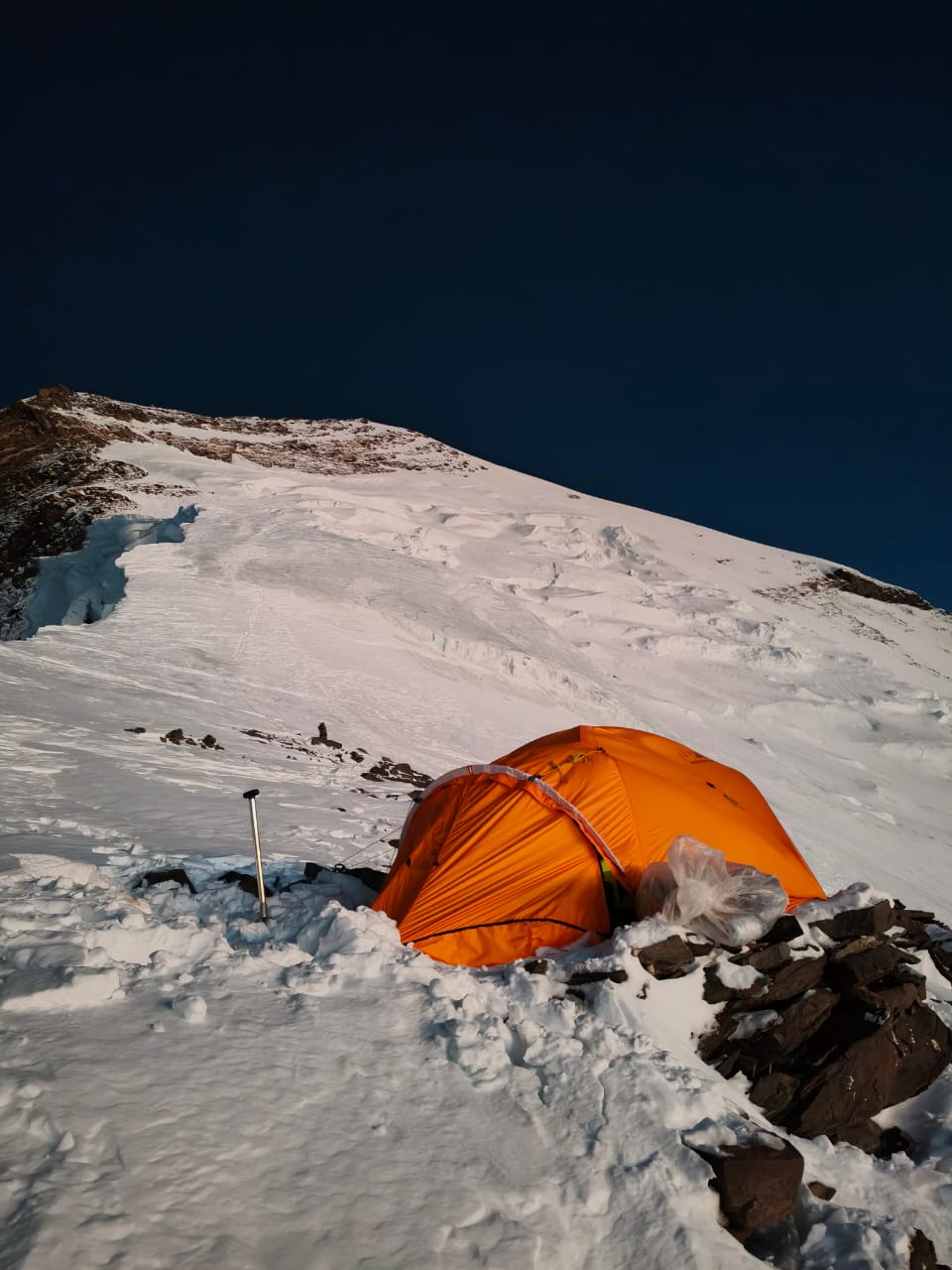
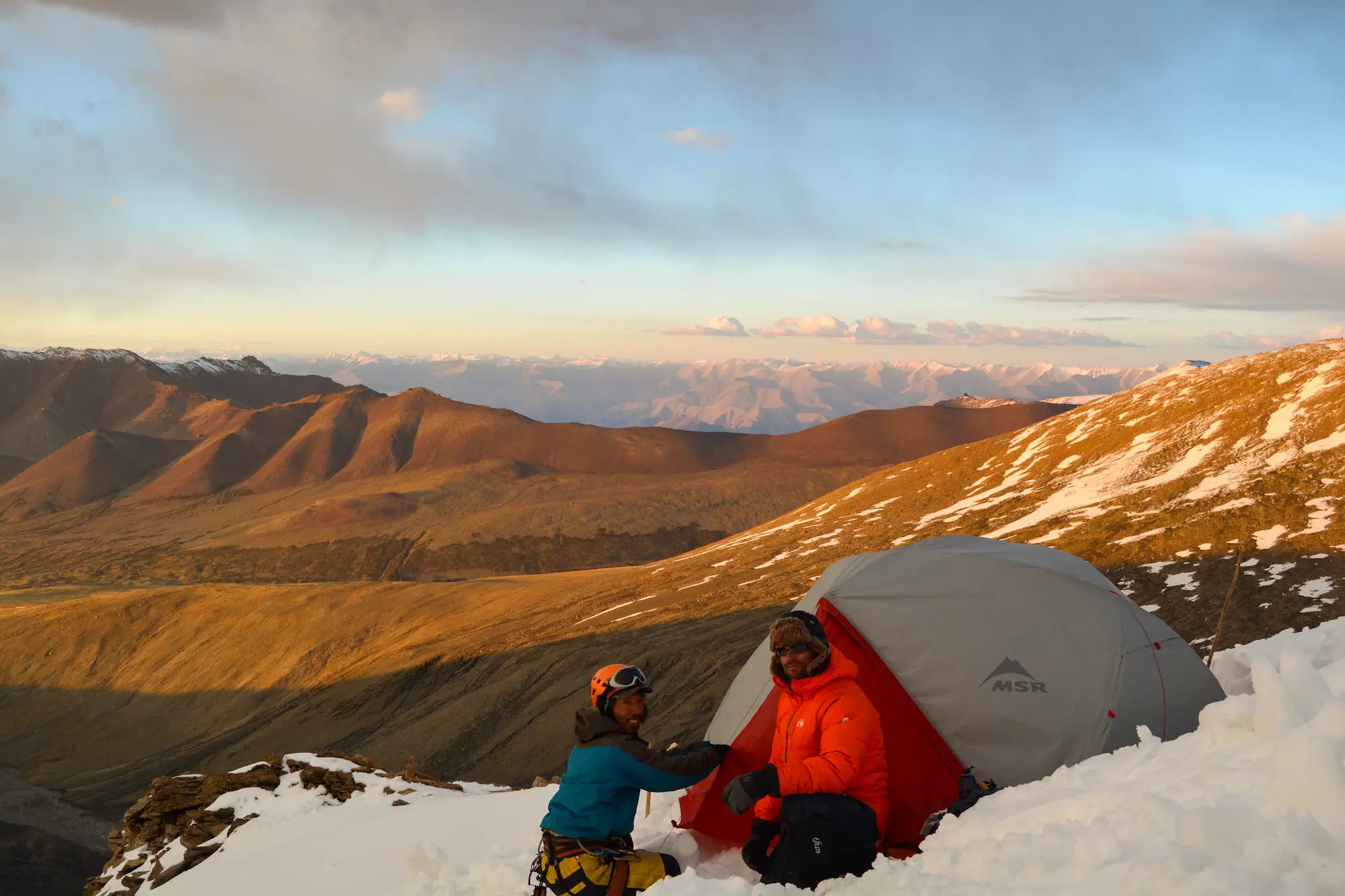
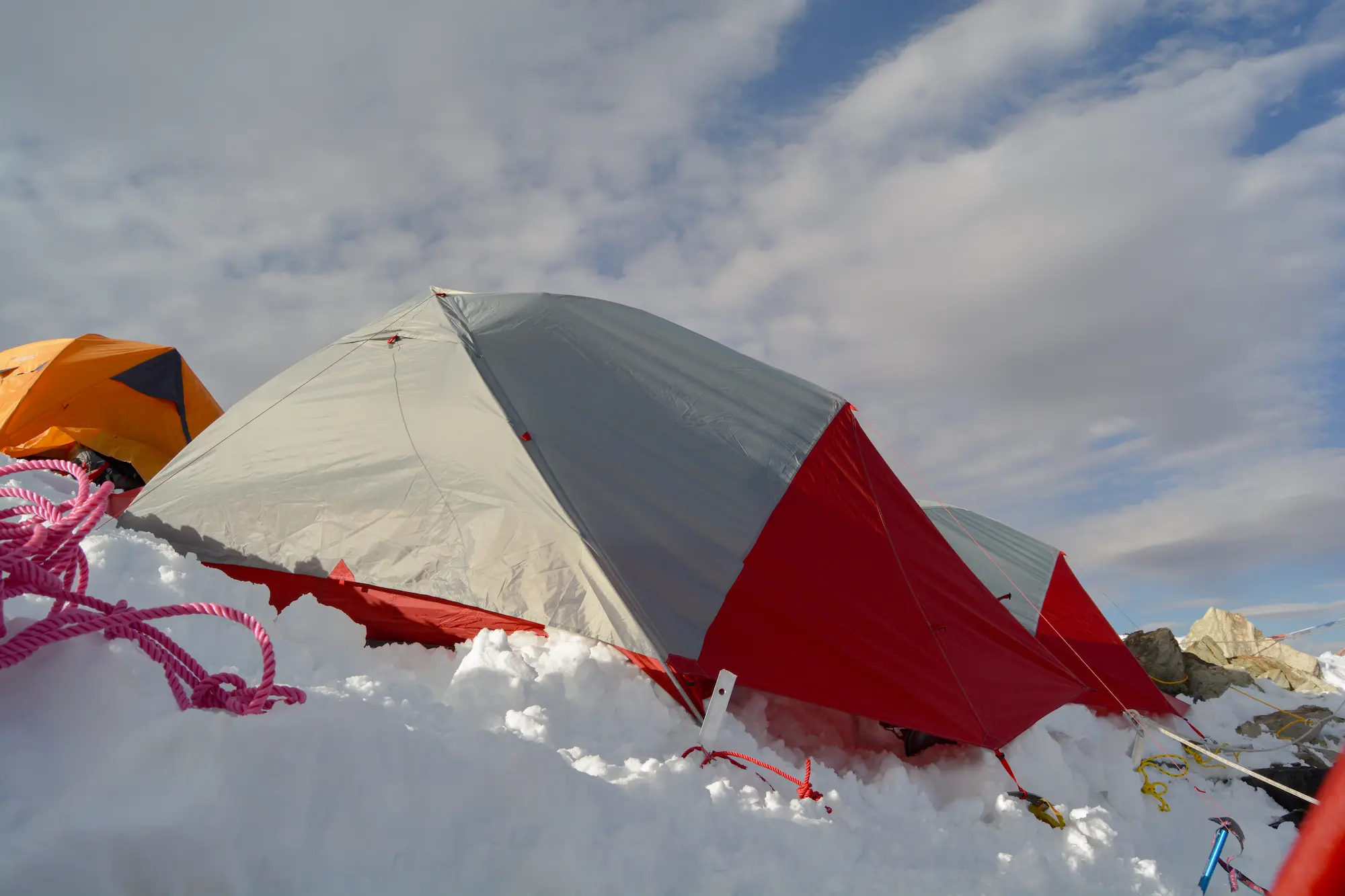
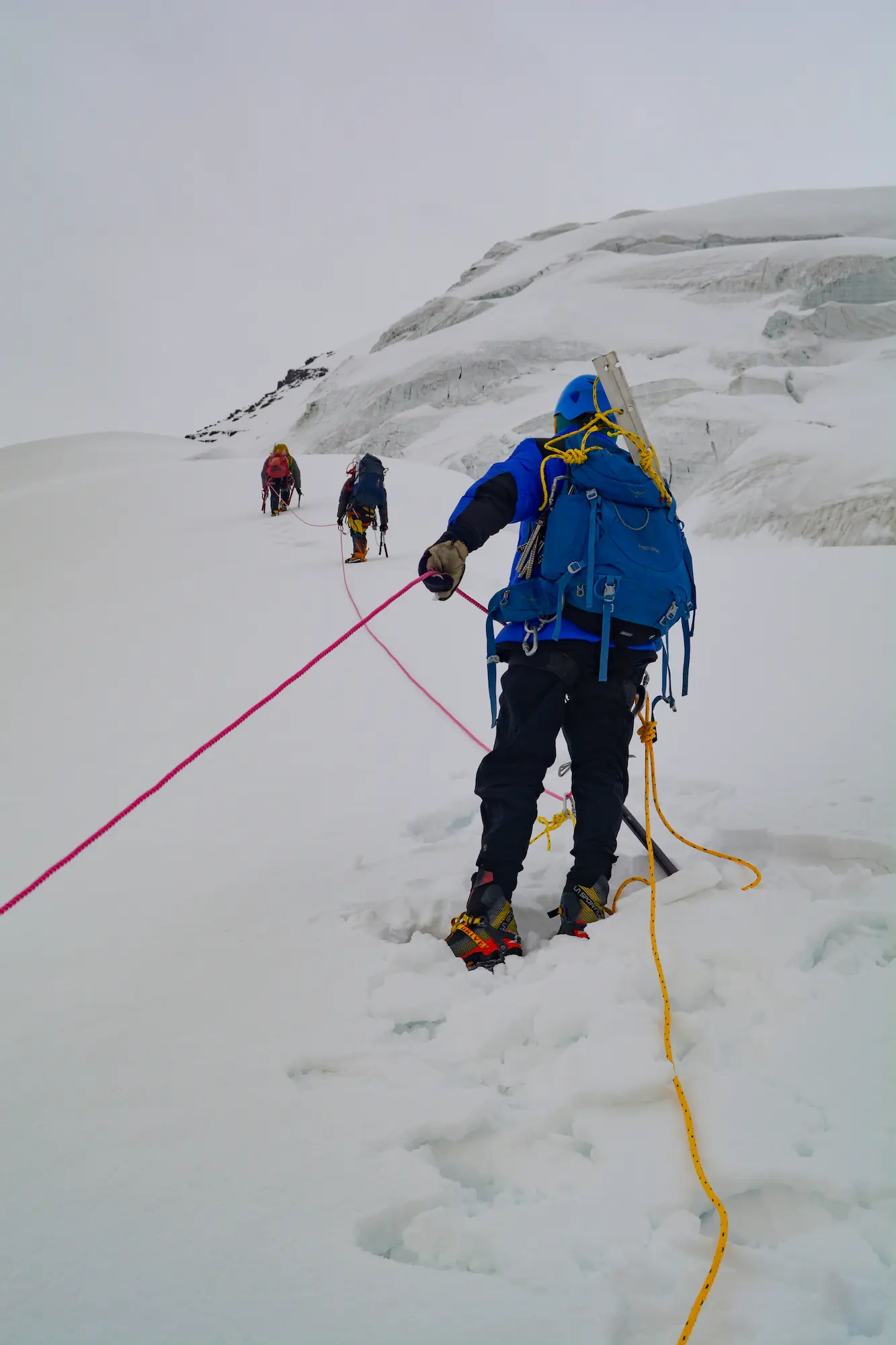
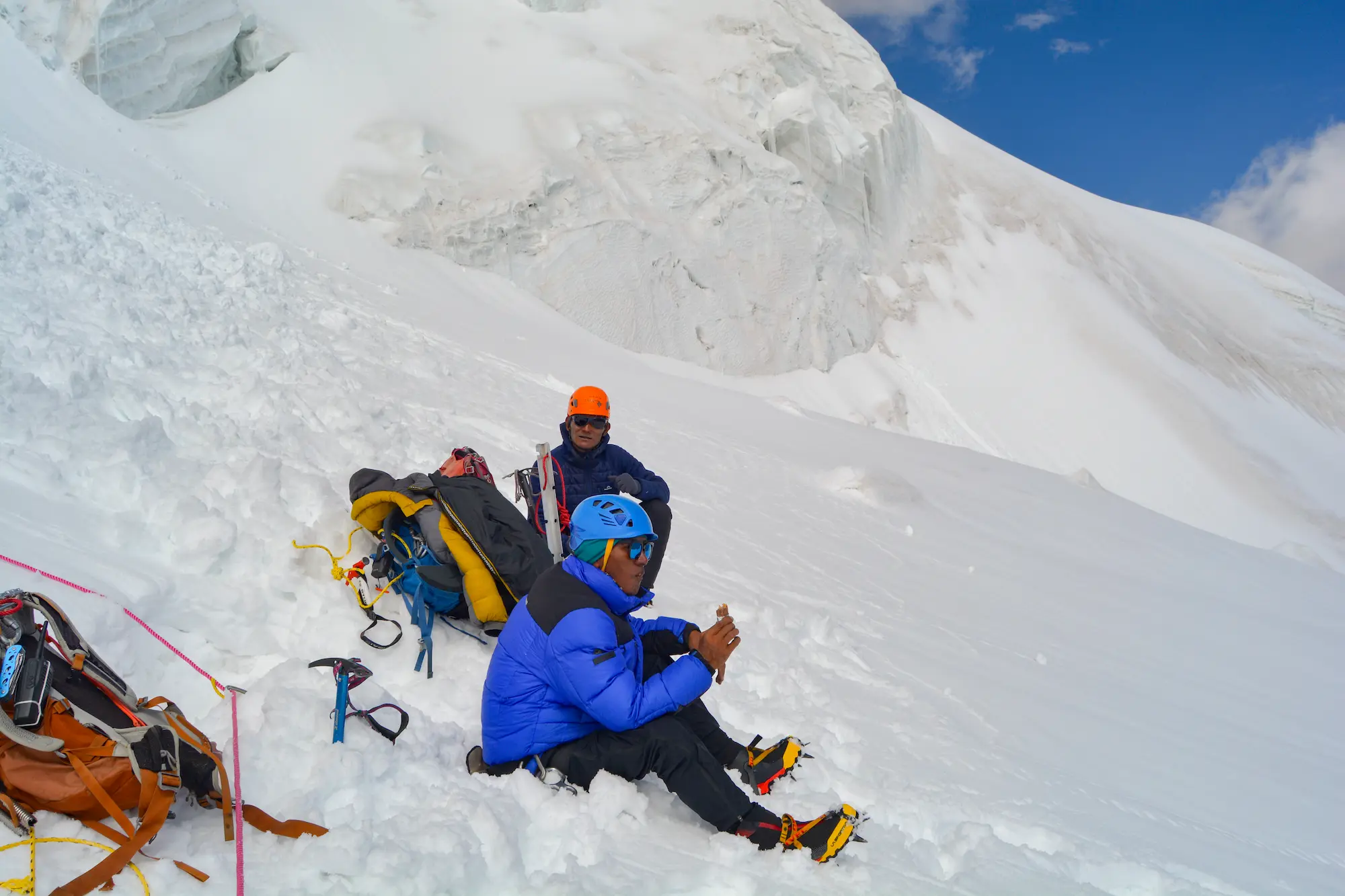
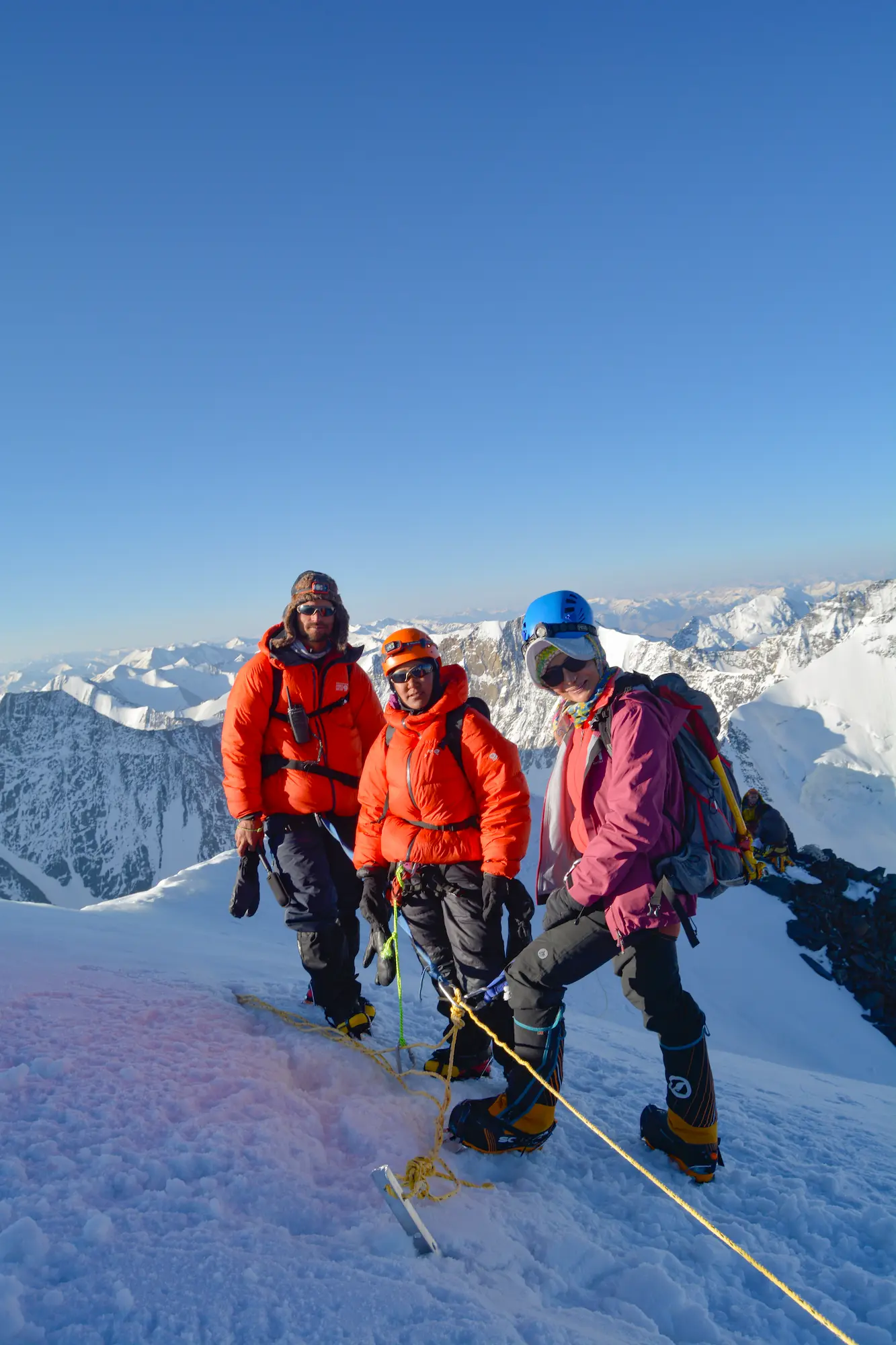
Around midnight the summit push begins under clear Himalayan skies. The route initially follows glacial terrain before steepening significantly. Climbers encounter glacier crossings, crevasse sections, 45–55° snow slopes, fixed-rope climbing, mixed rock sections, exposed ridges and the final narrow summit crest.
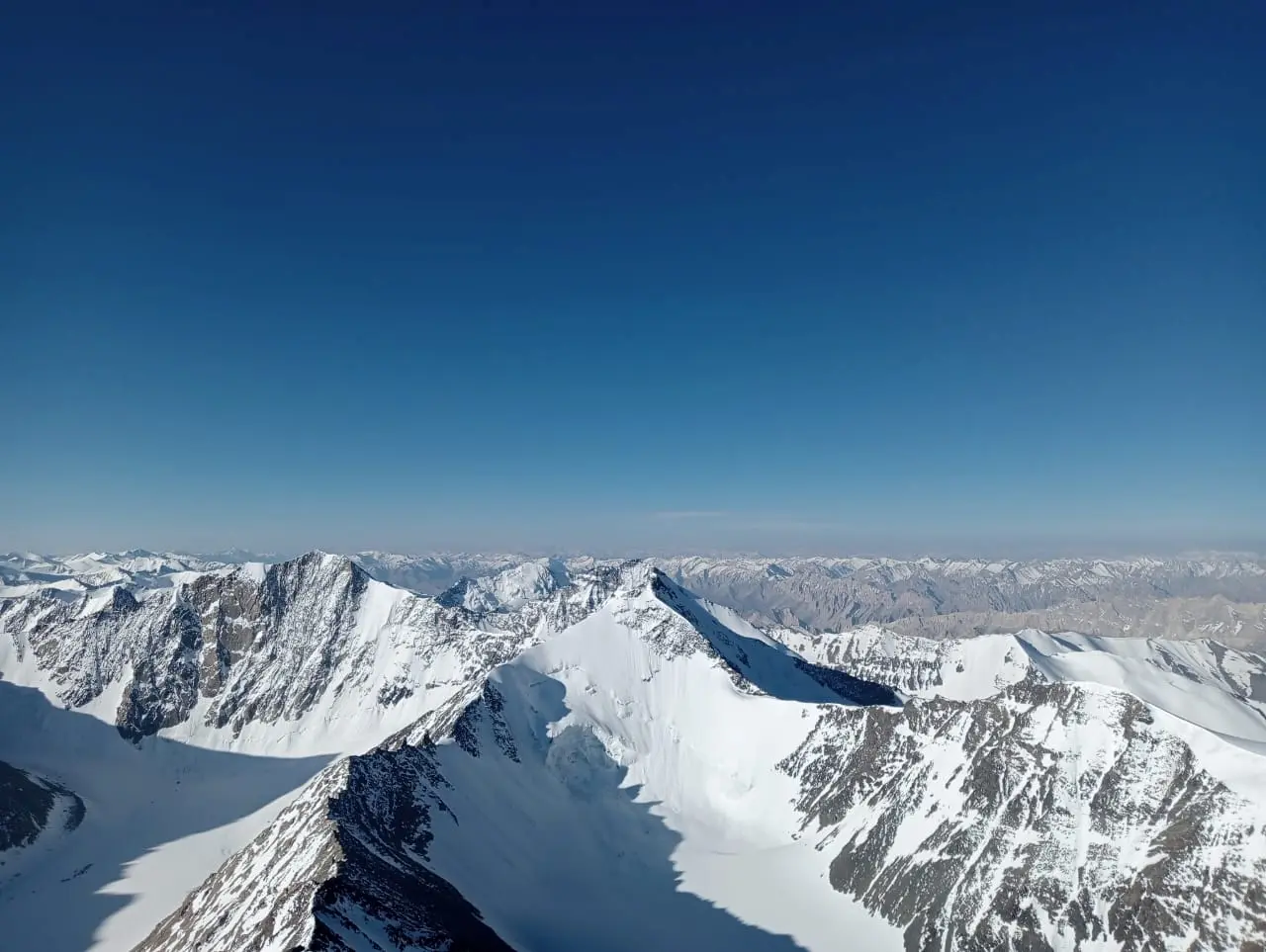
As sunrise illuminates the range, spectacular views open across the Zanskar Range, Karakoram, Nun Kun, Saser Kangri, the Siachen region, Stok Kangri, Dzo Jongo, Chamser Kangri, Kang Yatse II and countless other peaks of Ladakh and the Eastern Karakoram.
After a short celebration on the summit, the team carefully descends to Advanced Base Camp and continues down to Kang Yatse Base Camp for overnight rest. This is the longest and most demanding day of the expedition.
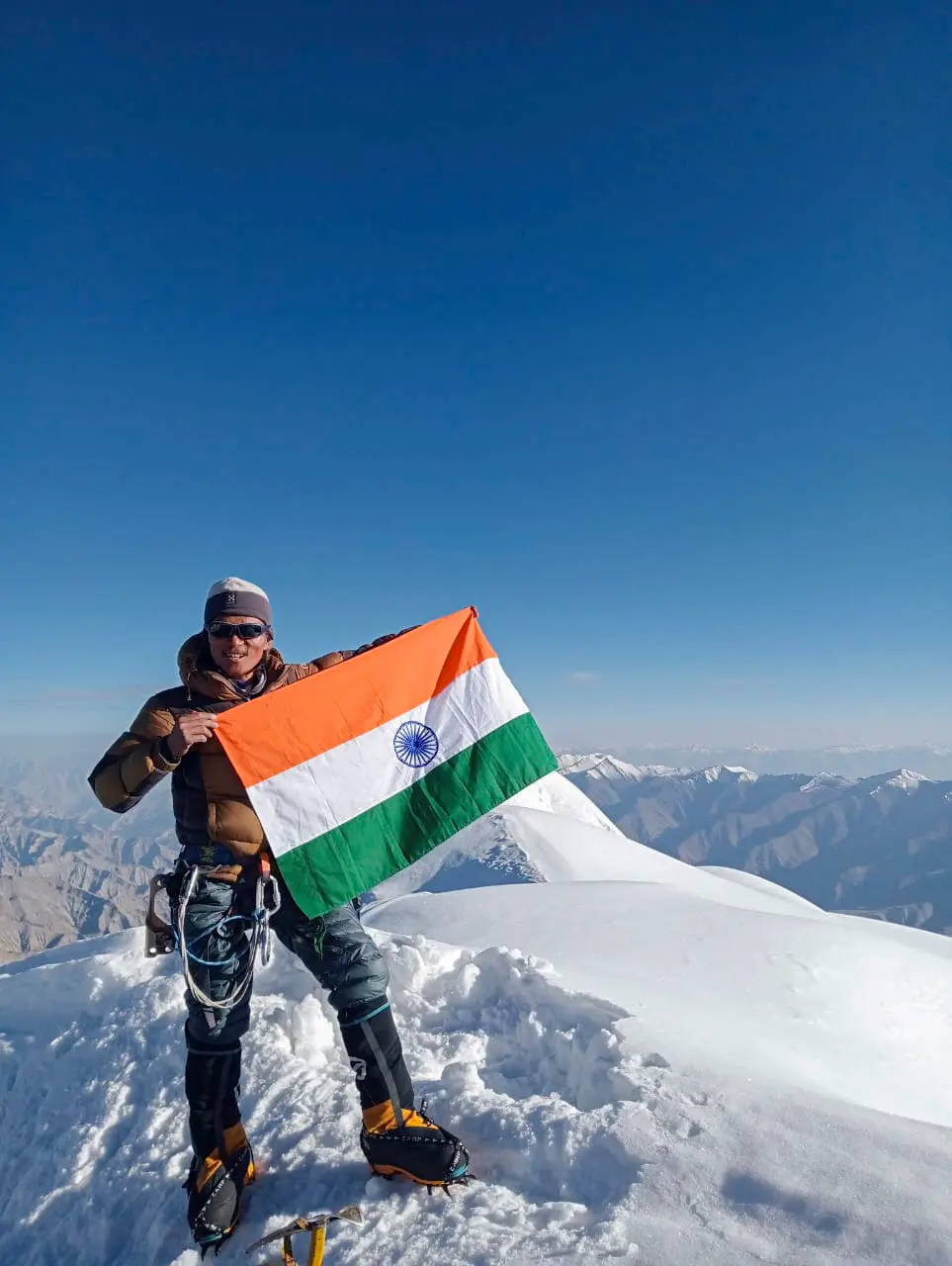
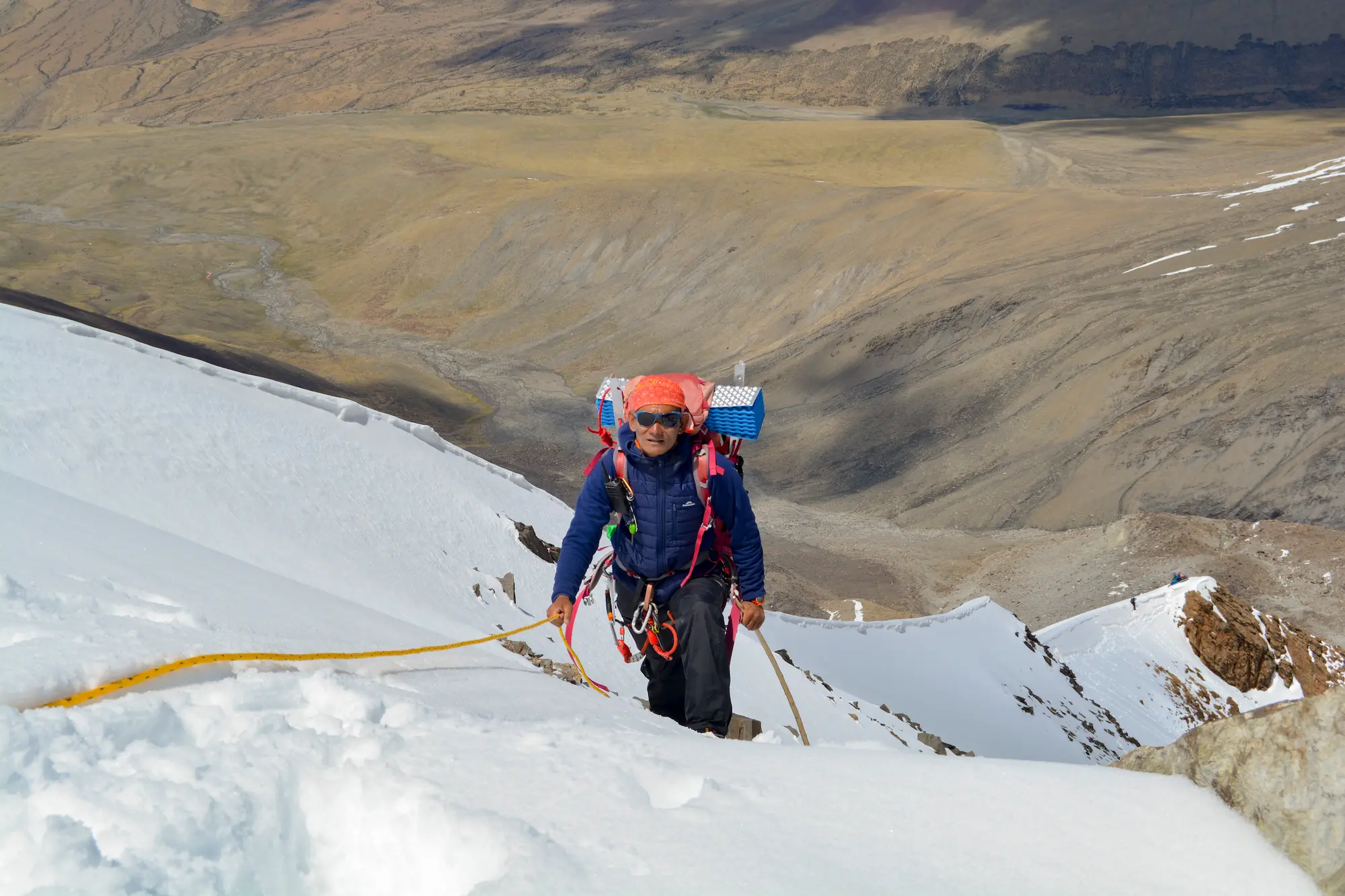
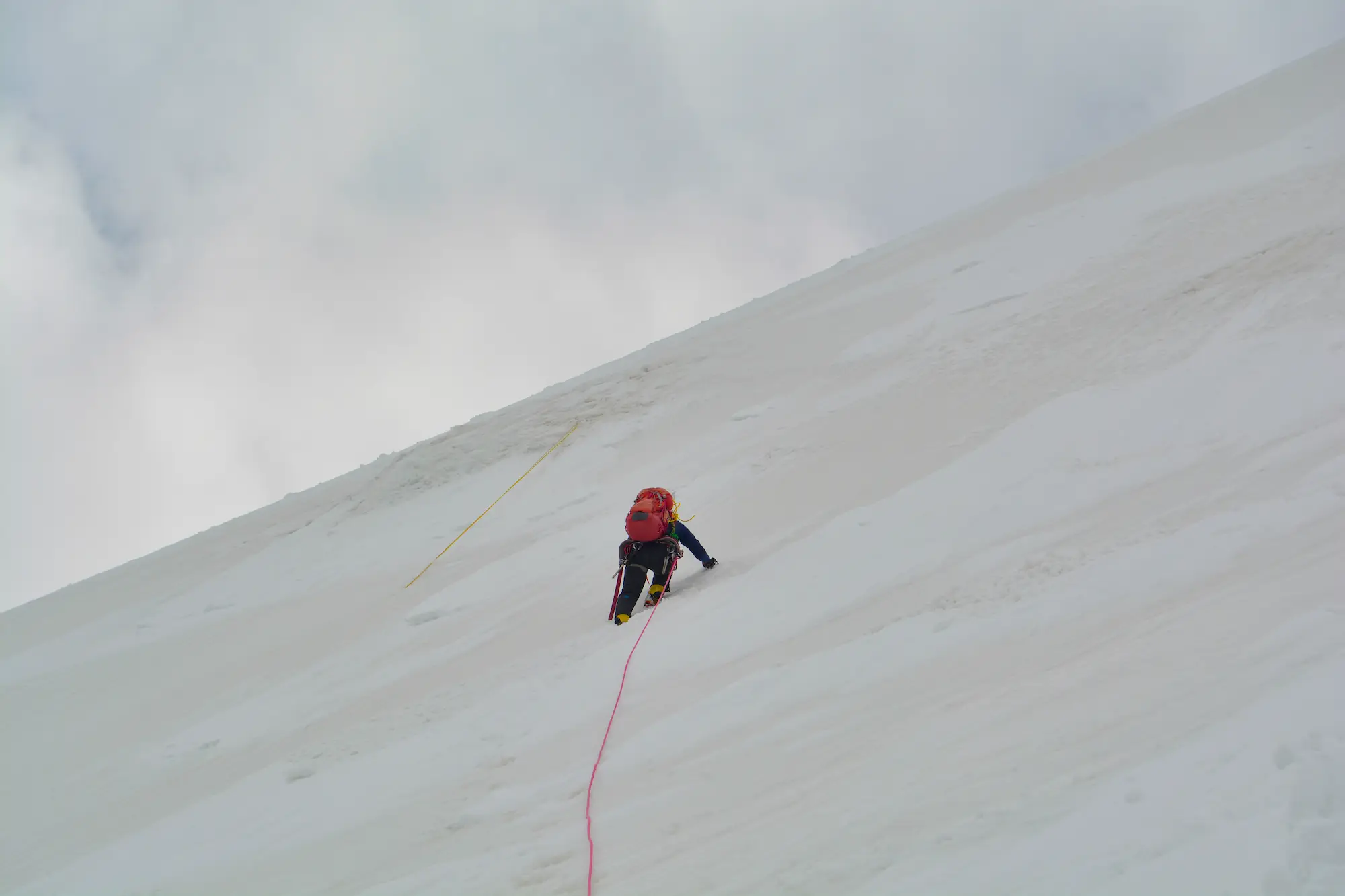
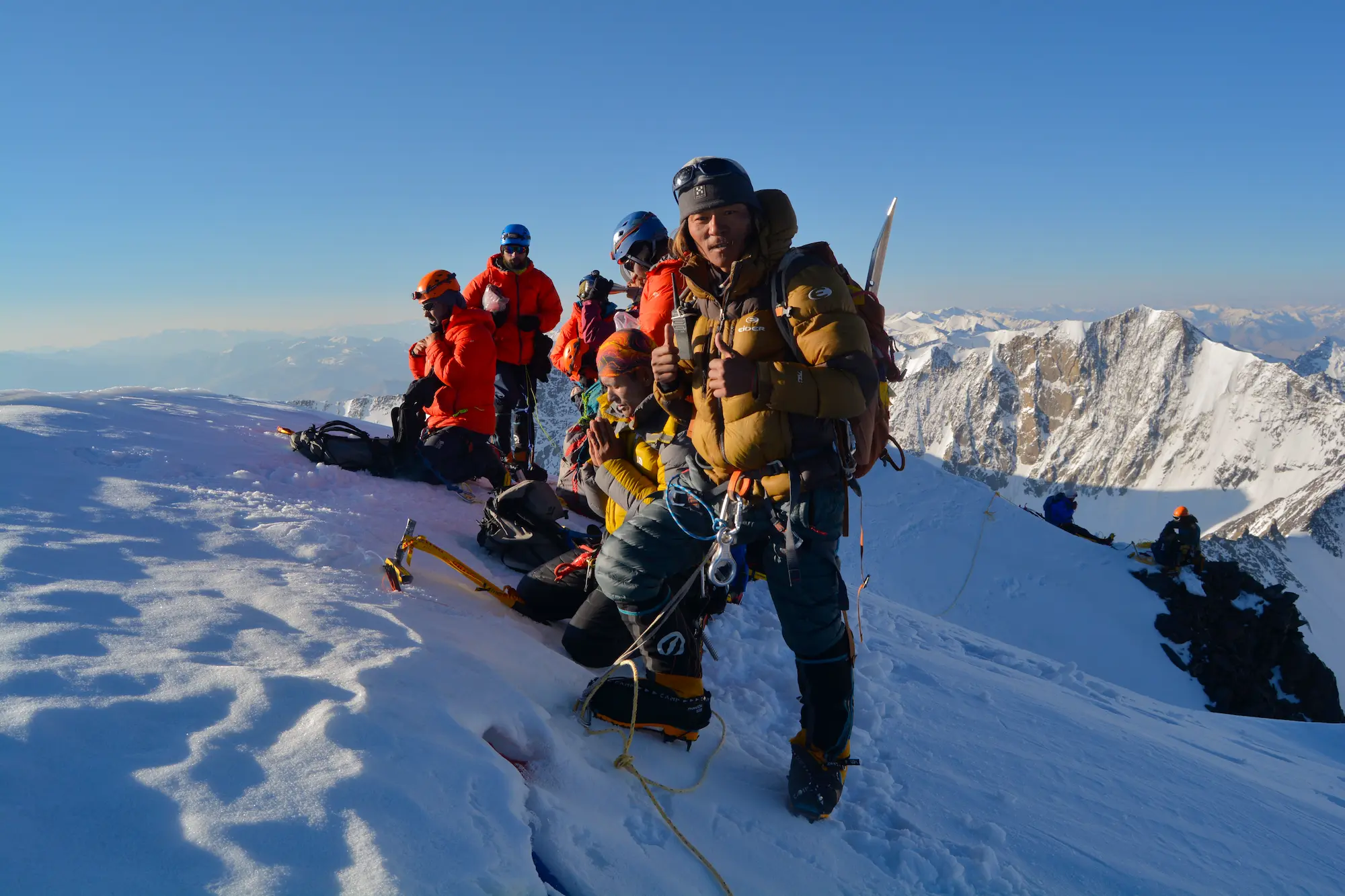
A full reserve day is built into the itinerary to maximize summit success. Mountain weather in Ladakh can change rapidly with snowfall, high winds, or poor visibility.
If the summit has already been achieved, the day is spent resting at Base Camp, exploring the surrounding glacial landscape, drying and organizing equipment, taking photographs, and recovering.
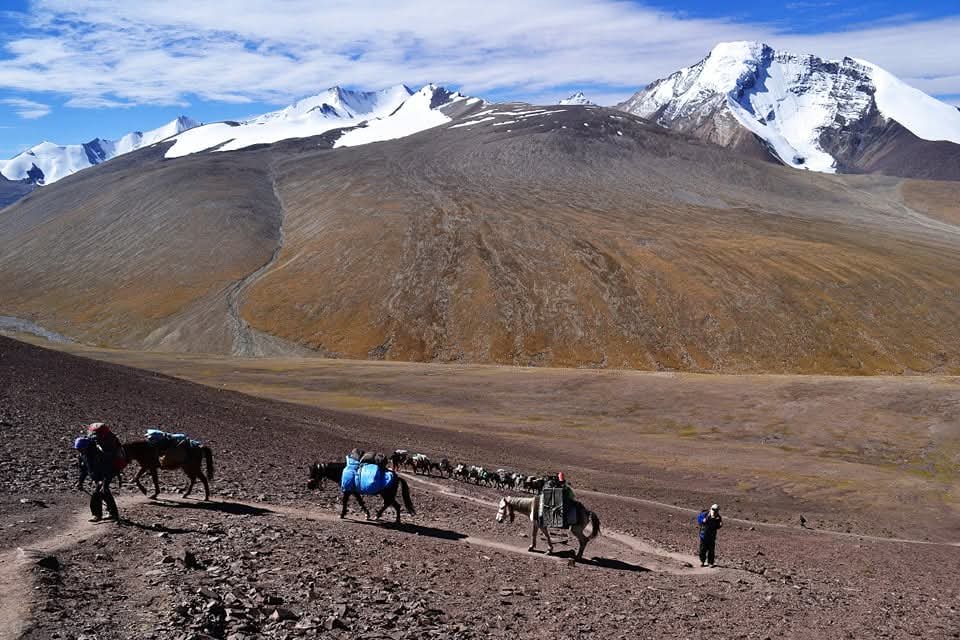
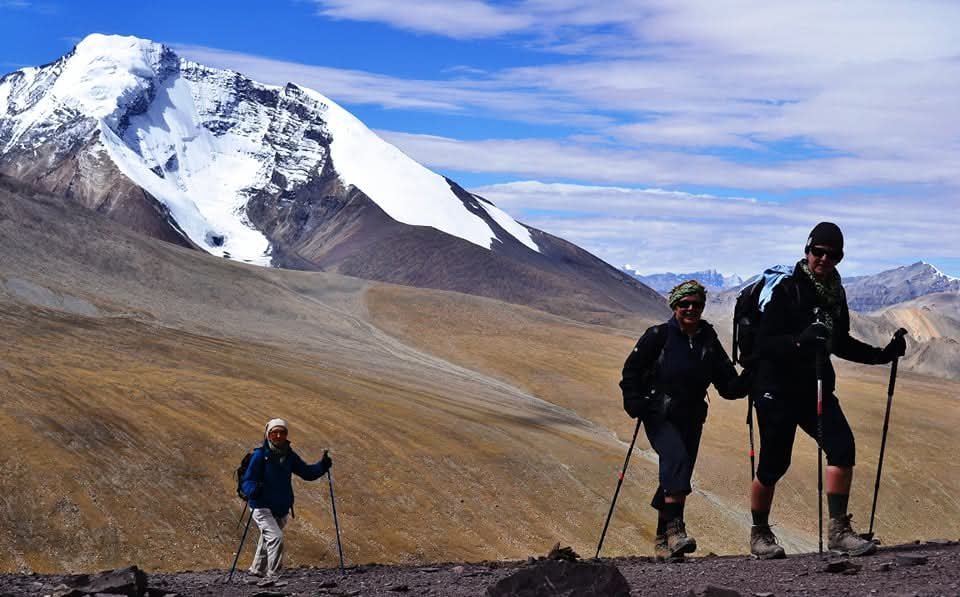
After breakfast the team climbs gradually to Kongmaru La (5,260 m), one of the most spectacular passes in Hemis National Park. The pass offers magnificent panoramic views of Kang Yatse, Dzo Jongo, the Ladakh Range, and colourful sedimentary formations.
The trail then descends through dramatic narrow gorges carved by glacial rivers, passing unusual rock formations and steep canyon walls before reaching Chokdo. Vehicles meet the team for the drive back to Leh (60–65 km, 2–2.5 hours).
After breakfast, transfer to Kushok Bakula Rimpochee Airport according to flight schedules.
Participants depart with the profound satisfaction of having climbed one of Ladakh’s finest technical 6,000-metre peaks, valuable glacier and alpine climbing experience, lasting friendships, and unforgettable memories of the Markha Valley and Kang Yatse I.
Inclusions
Everything covered in your package
Exclusions
Not covered — arrange these separately
Showing 8 of 29 items
|
01
2 - 3 dry trekking T-Shirts
|
02
2 Trekking pants
|
|
03
Thermal inner wear (top and bottom)
|
04
Fleece Jacket
|
|
05
Down jacket for cold weather
|
06
Water proof and wind proof jacket
|
|
07
Water proof trouser
|
08
Warm cap or woollen beanie
|
|
09
Sun hat or cap
|
10
Neck gaiter or buff
|
|
11
Warm gloves
|
12
Waterproof outer gloves
|
|
13
3 - 4 pairs of trekking socks
|
14
Good quality trekking shoes with ankle support
|
|
15
Camp shoes or sandals
|
16
Trekking bag pack (50 - 65 liters)
|
|
17
Daypack (20 - 30 liters)
|
18
Rain cover for bagpack
|
|
19
Dry bags or waterproof bags
|
20
Trekking poles
|
|
21
Head tourch with extra batteries
|
22
Sun glasses with UV protection
|
|
23
Water bottle or hidration bladder
|
24
Thermos flask
|
|
25
Personal medical kit
|
26
Toiletries
|
|
27
Dry fruit and energy bars
|
28
Passport and visa (For foreign national)
|
|
29
Government identity card for indian nationals.
|
Trip Note :
The Kang Yatse I Expedition (6,400 m) takes place in the high-altitude Markha Valley within Hemis National Park, Ladakh. This remote Trans-Himalayan environment is characterised by extreme altitude, rapidly changing weather, glacial terrain, and limited infrastructure, where conditions can shift without prior notice. Although the expedition is scheduled during the most favourable climbing window (mid-June to early-October), travel to and from Leh remains highly weather-dependent, and flight delays or cancellations are common due to operational or environmental factors.
In case of any unforeseen disruptions such as flight delays, road blockages, or itinerary changes beyond our control, any additional expenses—including accommodation, meals, transportation, or personal costs—will be borne by the participant. Our team will provide full on-ground support and assistance to help manage such situations and make alternate arrangements wherever possible.
Mountain environments in Ladakh are inherently unpredictable. Factors such as rapidly changing weather patterns, wind conditions, snow quality, ice conditions and altitude-related challenges may require necessary modifications to the planned itinerary. This may include adjustments to acclimatisation schedules, load-ferry movements, camp placements, summit attempts, or climbing routes. All decisions made by the expedition leader and guides regarding safety, route planning, and expedition management are final and must be strictly followed by all participants.
Kang Yatse I is a technical 6,000-metre peak that demands solid mountaineering skills. The climb involves glacier travel, steep snow and ice slopes of 45–55 degrees, fixed-rope sections, mixed rock terrain, and an exposed summit ridge. Prolonged exposure to high altitude and cold conditions significantly increases physical and mental demands. Summit success cannot be guaranteed. Weather conditions, team fitness, individual performance, and safety considerations will always take priority over any summit attempt.
Participants must be physically fit, mentally prepared, and capable of sustained effort in a high-altitude environment. Prior high-altitude trekking experience and basic mountaineering skills (crampons, ice axe, fixed-rope techniques) are strongly recommended. Proper acclimatisation protocols are strictly followed throughout the expedition, including progressive ascent via Nimaling and a dedicated load-ferry day; however, individual responses to altitude can vary.
We strongly recommend that all participants maintain flexible travel plans, including buffer days before and after the expedition. It is mandatory to have comprehensive travel insurance that covers high-altitude mountaineering, emergency evacuation (including helicopter rescue), medical treatment, and trip interruptions.
Altitude Adventure is committed to delivering a safe, well-organised, and professionally guided mountaineering experience. With our experienced local team, structured acclimatisation plan, technical training, and strong logistical support, we ensure that every participant has the best possible opportunity for a safe and rewarding ascent of Kang Yatse I.
The Complete Guide
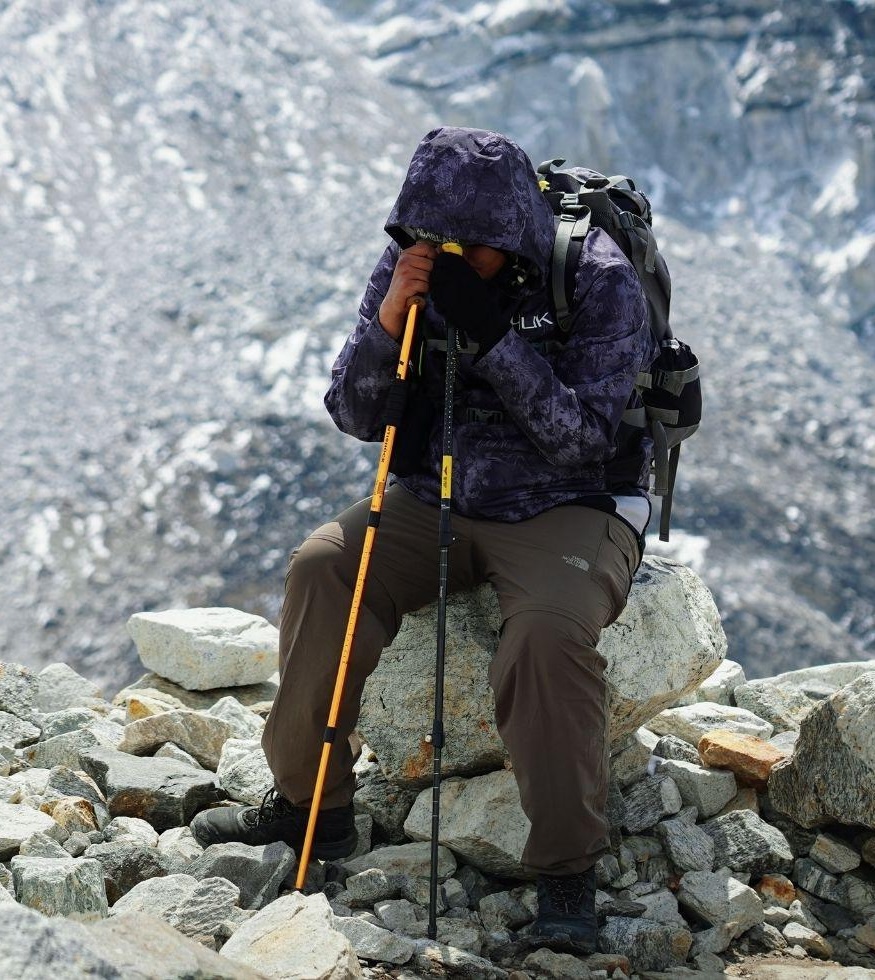
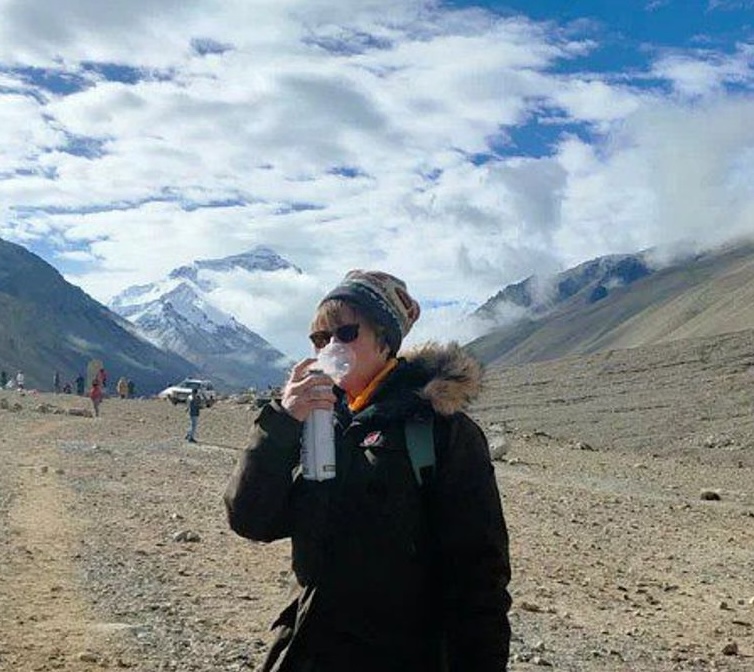
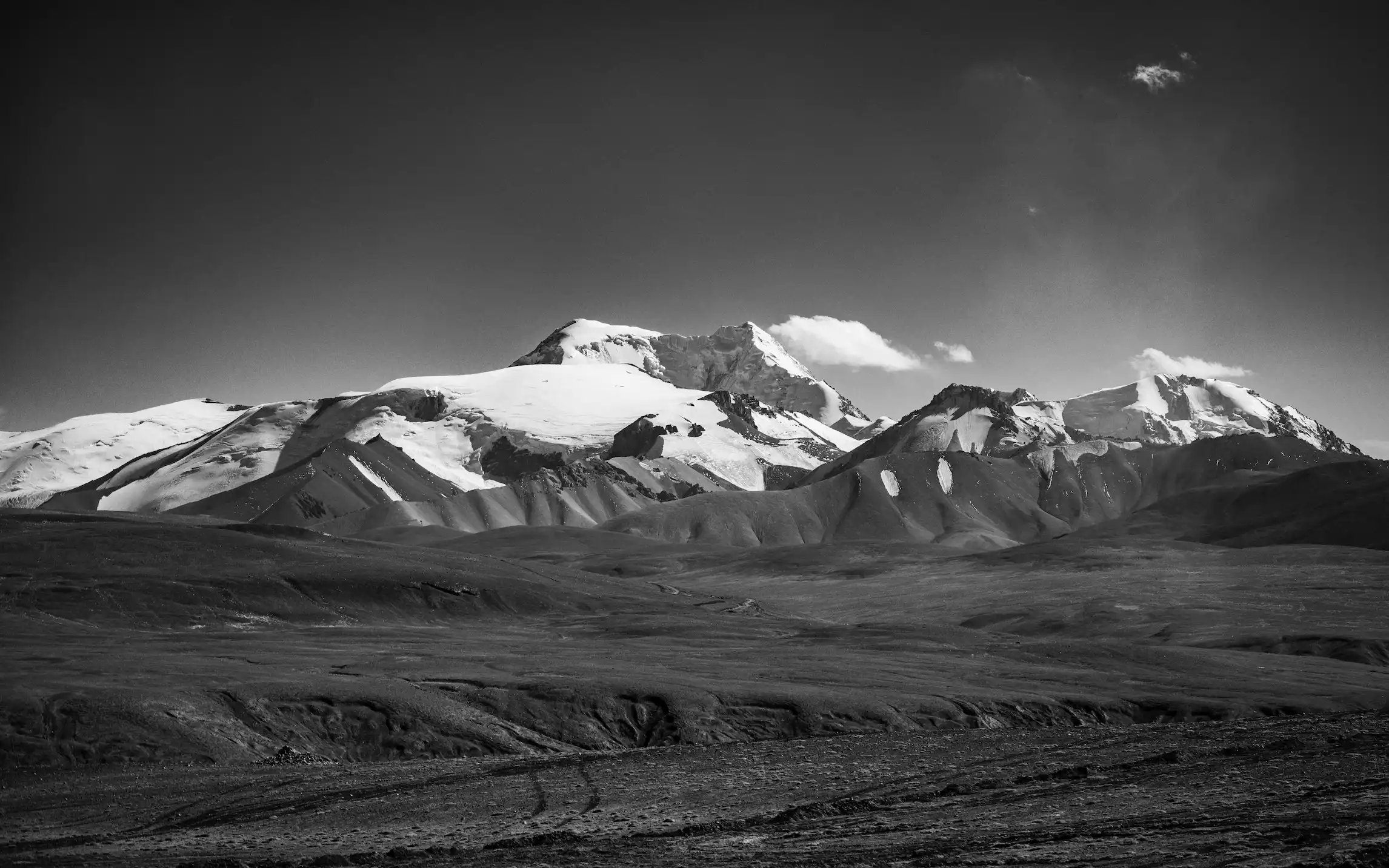
Kang Yatse I is a technical 6,000-metre peak rising to 6,400 m (20,997 ft) in the Markha Valley of Hemis National Park, Ladakh. It is the higher and more challenging of the two summits of the Kang Yatse massif.
Kang Yatse II (approx. 6,250 m) is a popular non-technical trekking peak suitable for fit trekkers. Kang Yatse I (6,400 m) is a proper technical mountaineering objective involving glacier travel, steep snow and ice slopes (45–55°), fixed ropes, mixed rock sections, and an exposed summit ridge.
Kang Yatse I is graded as a technical alpine climb (Alpine AD+/D- depending on conditions). It requires previous high-altitude trekking experience, basic mountaineering skills, and the ability to use crampons, ice axe, harness, and ascenders confidently.
This expedition is ideal for experienced high-altitude trekkers and climbers who have completed trekking peaks (such as Kang Yatse II, Stok Kangri in the past, or similar) or basic mountaineering courses and want to progress to their first technical 6,000-metre Himalayan climb.
The best climbing season is mid-June to mid-September, with the most stable weather usually found in July and August. Early September can also offer good conditions with fewer crowds.
The standard itinerary is 12 days from arrival in Leh to departure, including acclimatization, the Markha Valley approach via Nimaling, technical training and load ferry, summit attempt, and contingency day.
The approach follows the classic Markha Valley trek: Leh → Skiu → Markha → Hankar → Nimaling → Kang Yatse Base Camp (5,100 m) → Advanced Base Camp → Summit (6,400 m), returning via Kongmaru La (5,260 m) to Chokdo and Leh.
Yes. Participants should have prior experience of high-altitude trekking above 5,000 m and basic knowledge of using crampons, ice axe, and fixed ropes. A basic mountaineering course is highly recommended.
The itinerary includes two nights in Leh, gradual ascent through the Markha Valley, a night at Nimaling (4,700–4,800 m), a night at Base Camp, and a dedicated load-ferry day to Advanced Base Camp (climb high, sleep low) before the summit push.
Success rates typically range between 60–75%, depending on weather, individual fitness, and acclimatization. A contingency day is built into the itinerary to improve summit chances.
You should be able to trek 6–8 hours a day with a backpack at high altitude and be comfortable on steep terrain. Regular cardiovascular training, strength work, and prior multi-day high-altitude treks are strongly recommended.
Participants practise and use crampon techniques, ice-axe self-arrest, glacier travel, fixed-rope climbing with ascenders, rappelling, rope management, and basic snow-anchor systems during the training and load-ferry day.
Essential technical gear includes mountaineering boots, crampons, ice axe, harness, helmet, ascender, descender, and appropriate high-altitude clothing. A detailed gear list is provided upon booking, and rental options are available in Leh.
Yes. Inner Line Permits (ILP) for Indian nationals and Protected Area Permits (PAP) for foreign nationals are required for the Markha Valley / Hemis National Park region. These are arranged by the expedition operator.
Temperatures at Base Camp can drop to –5°C to –10°C at night. On summit day, temperatures can fall to –15°C or lower, especially with wind chill. Proper layering and high-quality down clothing are essential.
Yes, as with any climb above 5,000 m. The progressive itinerary, Nimaling stop, and load-ferry day are designed to minimize risk. Guides monitor participants closely, and descent is the primary treatment if symptoms appear.
Summit day usually starts around midnight from Advanced Base Camp. Climbers ascend steep snow slopes, fixed-rope sections, and the final ridge, reaching the summit around sunrise before descending all the way to Base Camp (10–14 hours total).
No. This is not a beginner peak. First-time high-altitude climbers are advised to start with Kang Yatse II or other non-technical 6,000-metre peaks before attempting Kang Yatse I.
The nearest airport is Kushok Bakula Rimpochee Airport (Leh). From Leh, the expedition drives to Skiu (Hamurja) to begin the trek into the Markha Valley.
Yes. The team follows Leave No Trace principles, carries out all non-biodegradable waste, uses eco-friendly campsite practices, and operates within the guidelines of Hemis National Park.