Insights from a 20-year veteran mountaineer — regions, acclimatisation, soft, medium and hard trails, and everything you need to plan your next Himalayan adventure.
Welcome to the Land of High Passes. With over two decades exploring, guiding, and climbing across the majestic landscapes of Ladakh, we've put together everything you need to know to plan your next Himalayan adventure — whether you're a beginner looking for beautiful walks or an experienced climber aiming for a high peak.
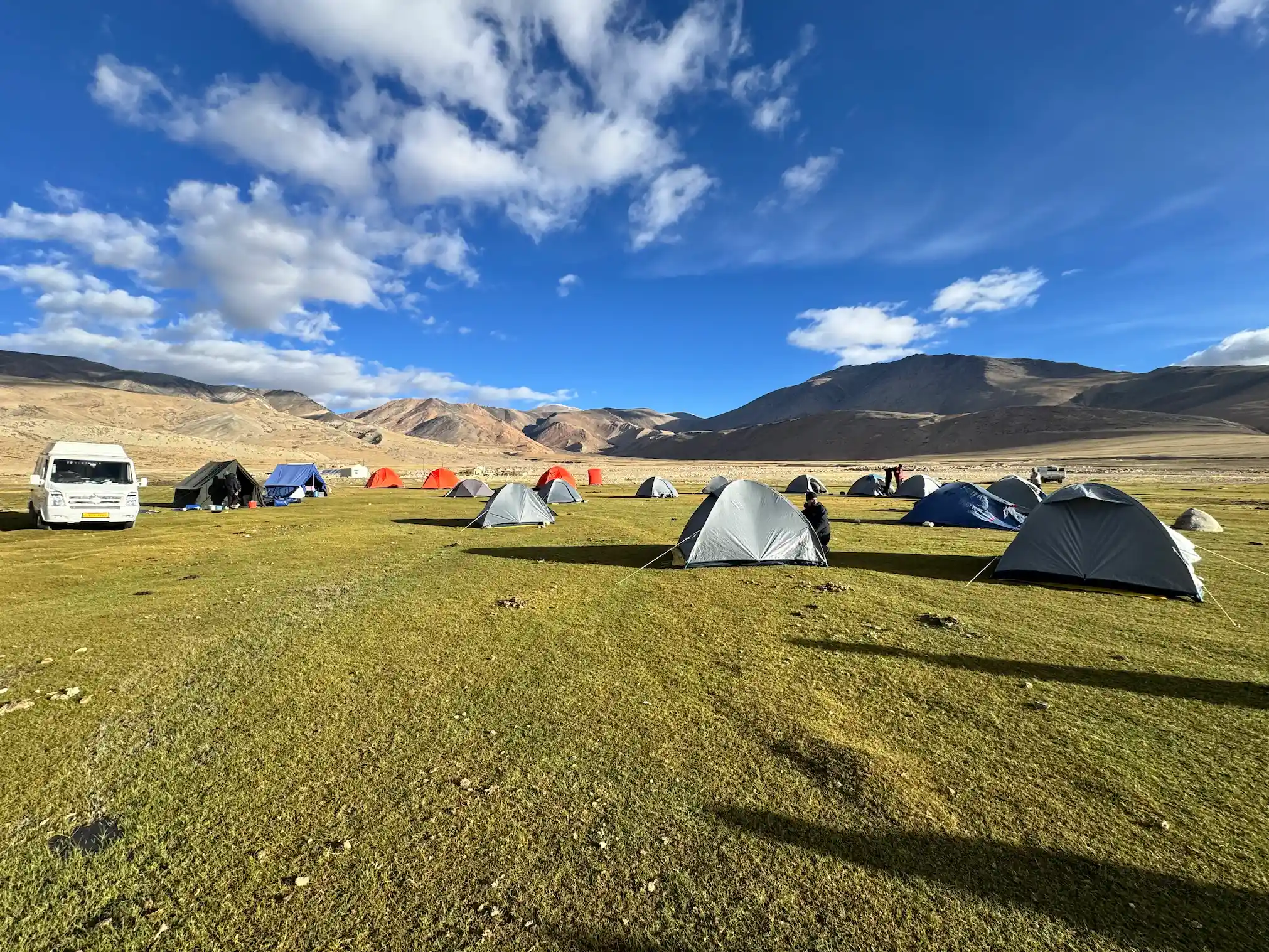
Trekking in Ladakh is safe, but the high altitude requires respect. Most trails sit well above 3,000 metres and cross passes higher than 5,000 metres.
Ladakh is vast, and each geographical pocket offers a completely distinct trekking atmosphere:
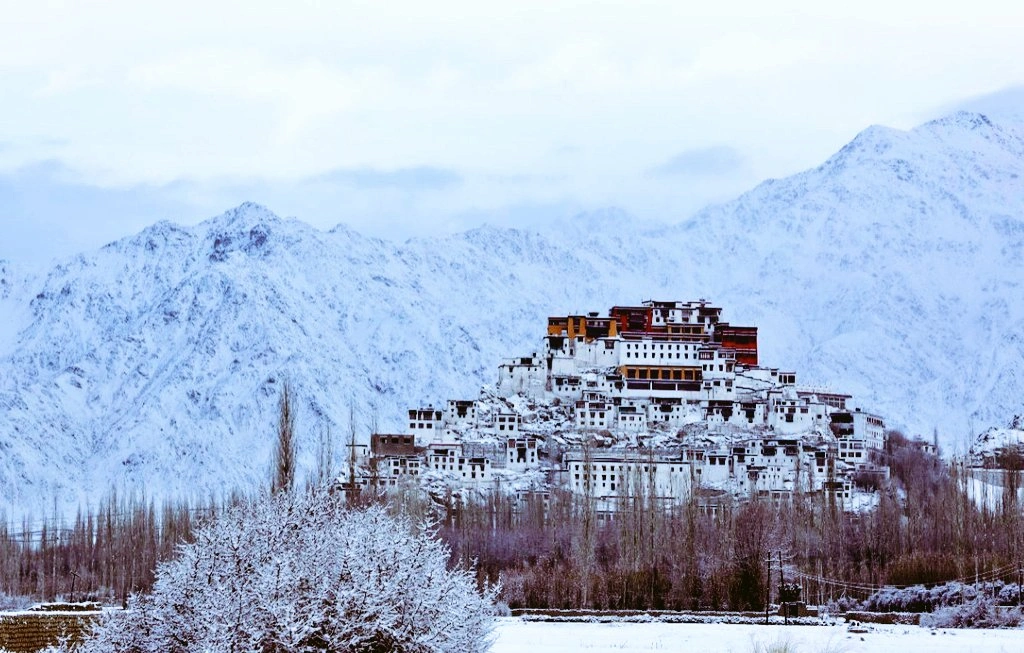
The gateway to the region, featuring ancient villages and dramatic monasteries tucked into mountain slopes. It is perfect for short walks, cultural immersion, and acclimatisation hikes.
Terrain: Green oasis villages surrounded by dry, barren mountains.
Highlights: Thiksey, Hemis, Lamayuru, Phyang and Alchi Monasteries.
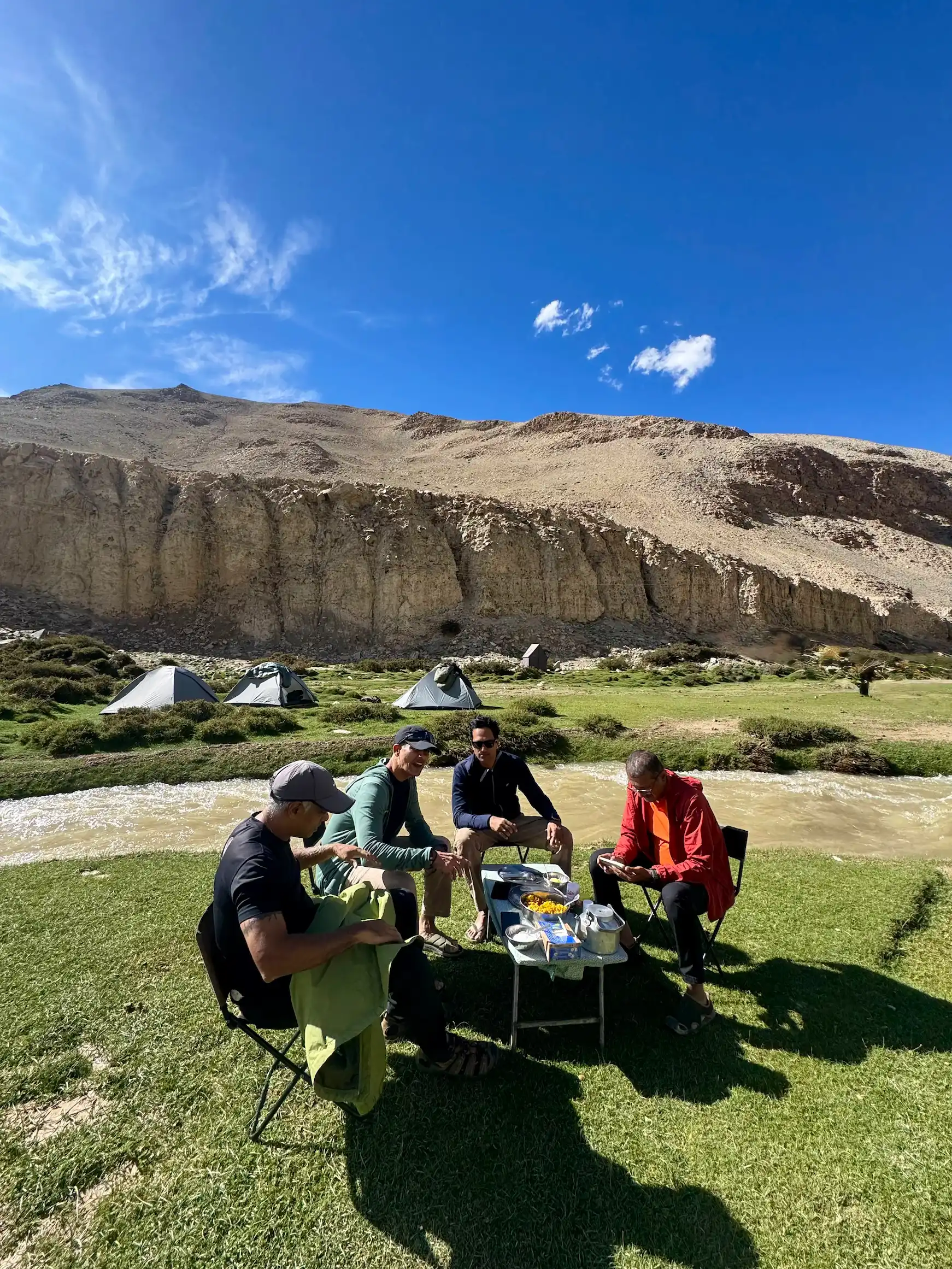
Located inside the Hemis National Park, this is Ladakh's most popular trail. It offers a beautiful mix of green river fields, remote villages, and high mountain passes.
Terrain: Deep river valleys, willow groves, and wild mountain pastures.
Highlights: Seeing the majestic Kang Yatse peak and spotting wildlife like Blue Sheep.
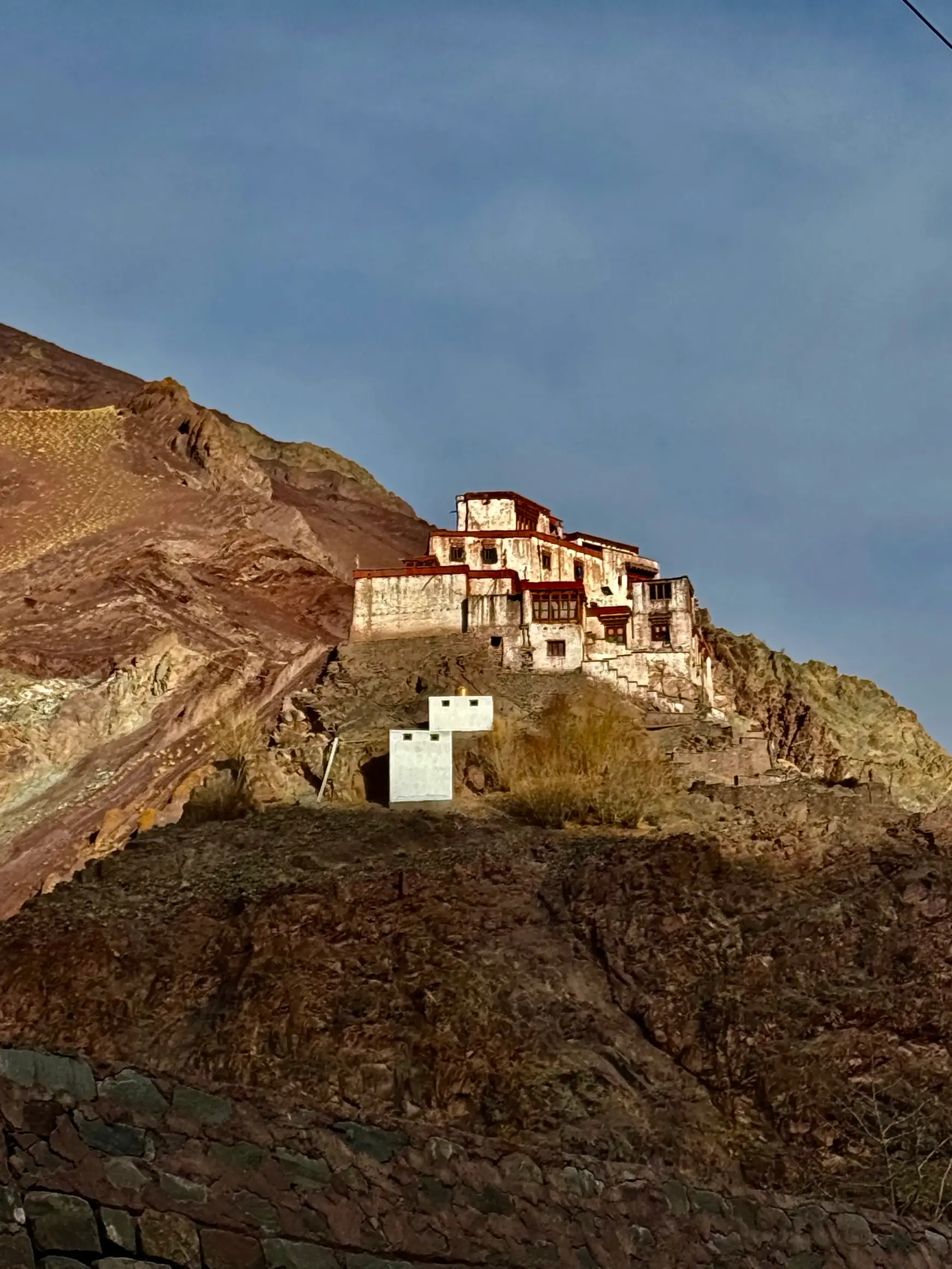
Known for its raw, isolated, and rugged terrain. It features deep river canyons, historic cliffside monasteries, and a deeply preserved Buddhist culture.
Terrain: Massive rock walls, steep gorges, and high, isolated passes.
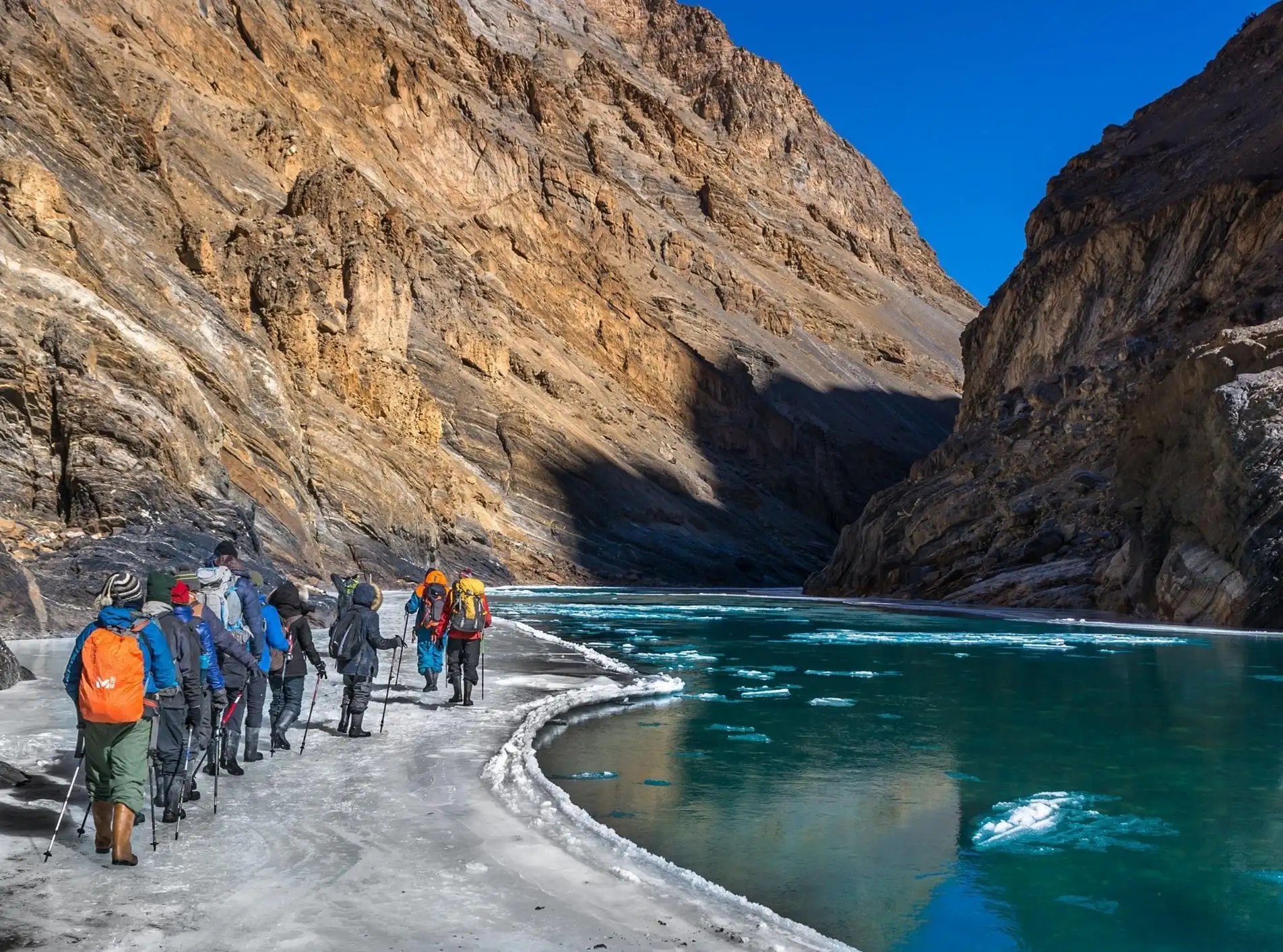
Highlights: Phugtal Monastery (built into a cave cliff) and the legendary frozen winter trail.
A high-altitude plateau home to nomadic Changpa herders and vast saltwater lakes. The trails here are wide, open, and windy.
Terrain: High rolling hills and vast alpine plains averaging over 4,000 metres.
Highlights: Tso Moriri, Tso Kar, Yaya Tso, Kyun Tso lakes, wetlands, and rare high-altitude birds.
Perfect for families, beginners, or those who want an easier introduction to walking without long, exhausting days.
You walk through charming villages, apricot orchards, and stay in local homestays. It provides a great look into traditional Ladakhi life without steep climbs.
Short walks connecting local valleys, ideal for adjusting to the altitude before starting a bigger trek.
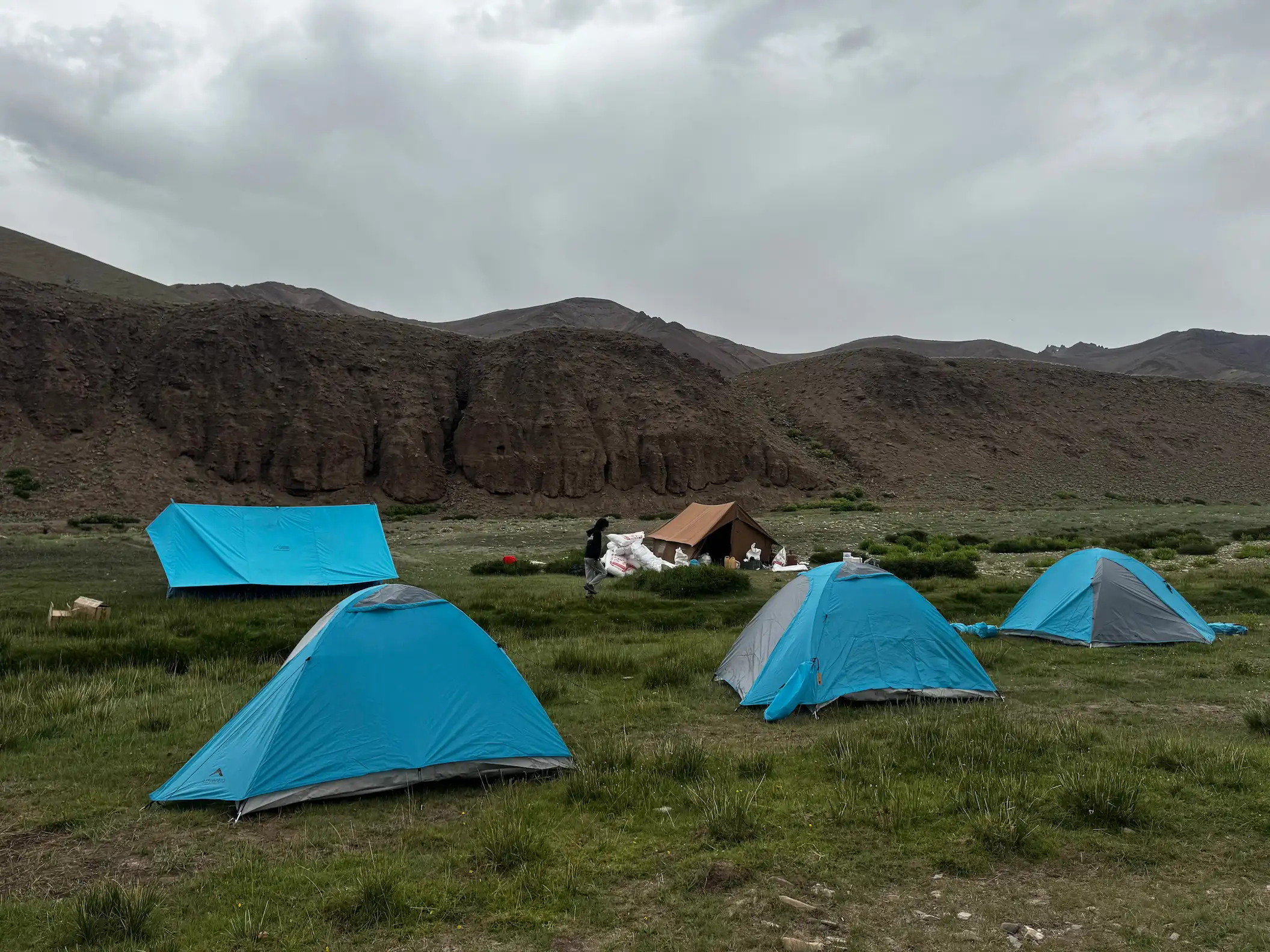
Designed for hikers with good physical fitness who enjoy crossing high passes and camping under the stars.
You cross the river multiple times, pass through traditional mud-brick villages, and finish with a steep climb up the stunning Kongmaru La pass, which rewards you with views stretching to the Tibetan border.
This beautiful route connects the Indus Valley to the sand dunes of the Nubra Valley, taking you past high pastures used by local shepherds.
Built for experienced hikers and mountaineers looking to push their limits in remote areas.
A demanding trek crossing several high passes over 5,000 metres across the Changthang plateau. You will camp alongside nomadic herders and finish at the deep blue shores of Tso Moriri Lake.
An extraordinary winter trek where you walk directly on the frozen ice sheet of the Zanskar River. Temperatures drop to -25°C, requiring special footwear, immense mental strength, and flawless ice-reading skills.
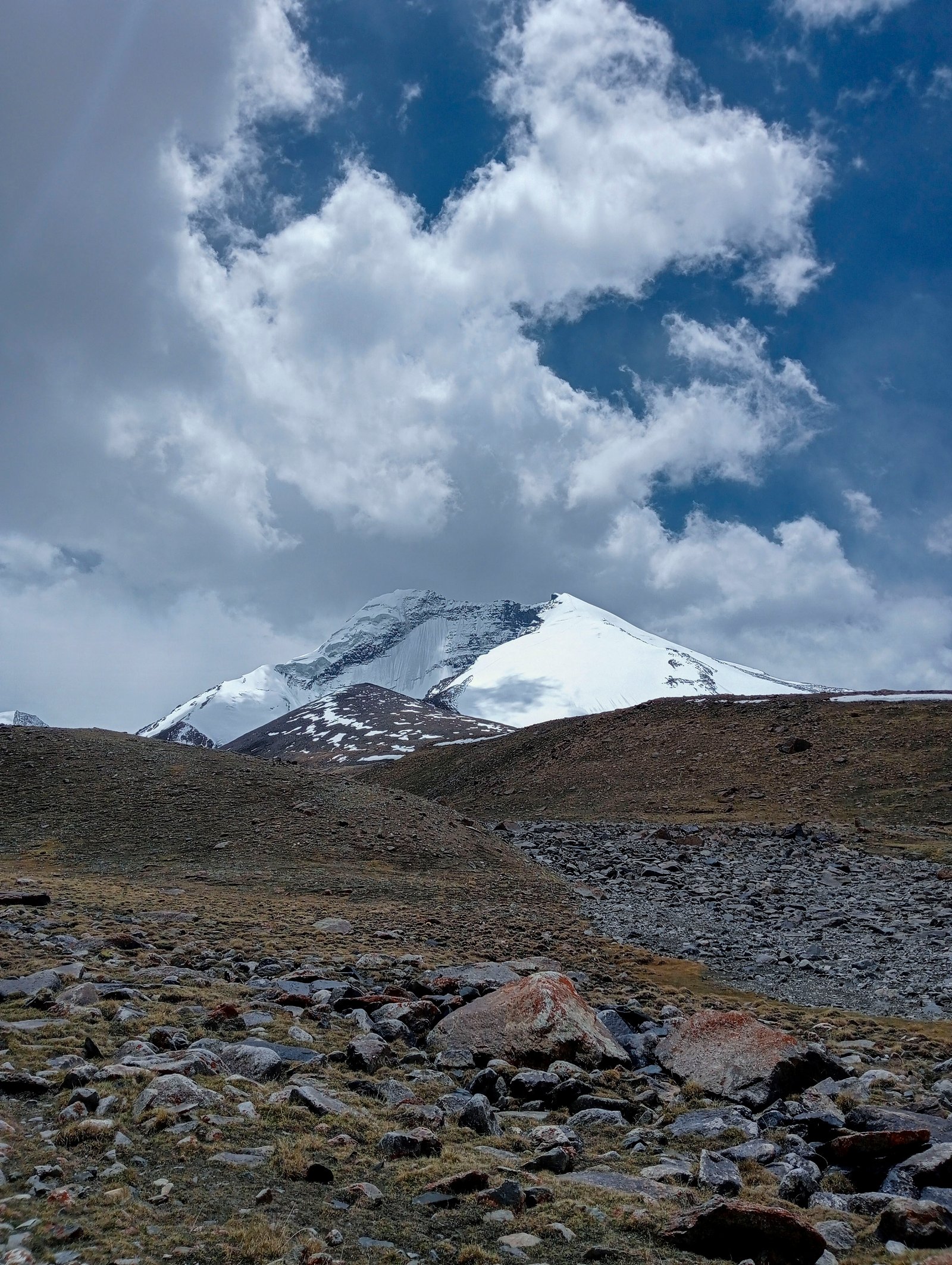
Demanding semi-technical climbs that require crampons, ropes, and ice axes to reach the summits, offering panoramic views of the Karakoram range.
With over 20 years of operating in Ladakh, we know these mountains better than anyone else. Here is how we ensure your trek is safe, comfortable, and successful.
Ready to explore the high passes? Let us handle all the logistics, permits, and safety so you can focus entirely on the journey.
Explore Our Trekking Packages, Customize Your Trekking Itinerary, or Contact Altitude Adventure to join one of our fixed group departures.